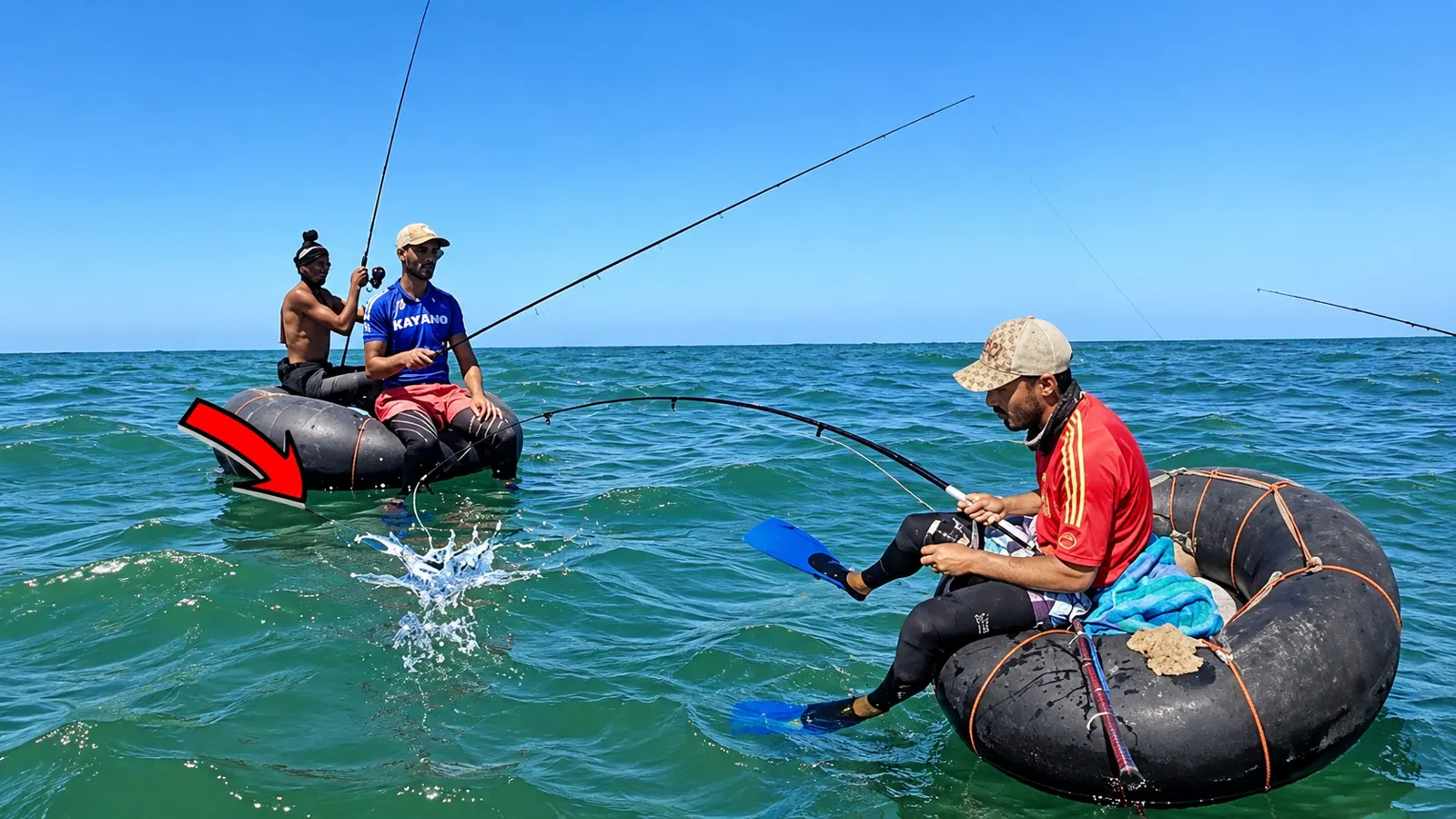
Mohamed El Ghazouani, a coastal fishing boat owner, has called for the regulation and organization of certain artisanal fishing practices in Morocco. Currently, some of these practices are subject to bans and strict controls. El Ghazouani advocates for integrating small-scale fishermen into the legal circuit, rather than imposing restrictive measures. This approach would help improve the livelihoods of those involved in artisanal fishing.
The issue of artisanal fishing practices has gained significant attention in Morocco, particularly in the context of efforts to conserve marine resources. The country's authorities have been working to implement measures aimed at promoting sustainable fishing practices and reducing the environmental impact of fishing activities. However, El Ghazouani's proposal suggests that a more nuanced approach may be needed, one that balances the needs of fishermen with the need to protect marine resources.
The Moroccan fishing industry is a significant contributor to the country's economy, with fishing activities generating substantial revenue and providing employment for thousands of people. However, the industry also faces challenges related to overfishing, habitat degradation, and other environmental concerns. El Ghazouani's proposal highlights the need for a more comprehensive approach to managing the industry, one that takes into account the needs of all stakeholders, including small-scale fishermen.
In recent months, Morocco has taken steps to improve the management of its fishing industry, including the launch of a green number for reporting acts that harm the integrity of the sector. The government has also implemented reforms aimed at improving the quality of fish products and reducing the risk of contamination. These efforts are seen as crucial to maintaining the sustainability of the industry and ensuring the long-term viability of Morocco's marine resources.
El Ghazouani's proposal has been welcomed by some in the fishing industry, who see it as a way to address the challenges facing small-scale fishermen. However, others have expressed concerns about the potential impact of regulating artisanal fishing practices, particularly in terms of the costs and administrative burdens that may be imposed on fishermen. As the debate continues, it is clear that finding a solution that balances the needs of all stakeholders will be a complex and challenging task.
The Moroccan government has announced plans to invest in the development of the country's fishing industry, including the construction of new infrastructure and the implementation of initiatives aimed at promoting sustainable fishing practices. These efforts are seen as crucial to the long-term viability of the industry and the livelihoods of those who depend on it. However, more needs to be done to address the challenges facing small-scale fishermen and to promote a more sustainable and equitable fishing industry.
As the discussion around artisanal fishing practices continues, key stakeholders are emphasizing the need for a collaborative approach that brings together fishermen, policymakers, and other interested parties. This approach will help ensure that the needs of all stakeholders are taken into account and that the resulting regulations are effective and sustainable. Three key points have emerged: the need for regulation, the importance of integration into the legal circuit, and the necessity of balancing the needs of fishermen with environmental concerns.
Key points
- Regulation of artisanal fishing practices is necessary to promote sustainable fishing and protect marine resources.
- Integration of small-scale fishermen into the legal circuit is crucial to improving their livelihoods and reducing poverty.
- A collaborative approach is needed to ensure that the needs of all stakeholders are taken into account and that regulations are effective and sustainable.