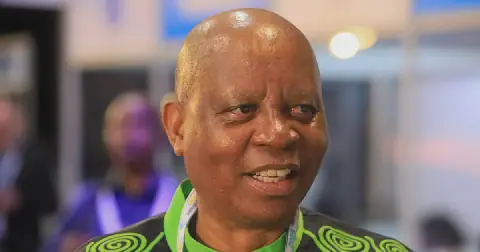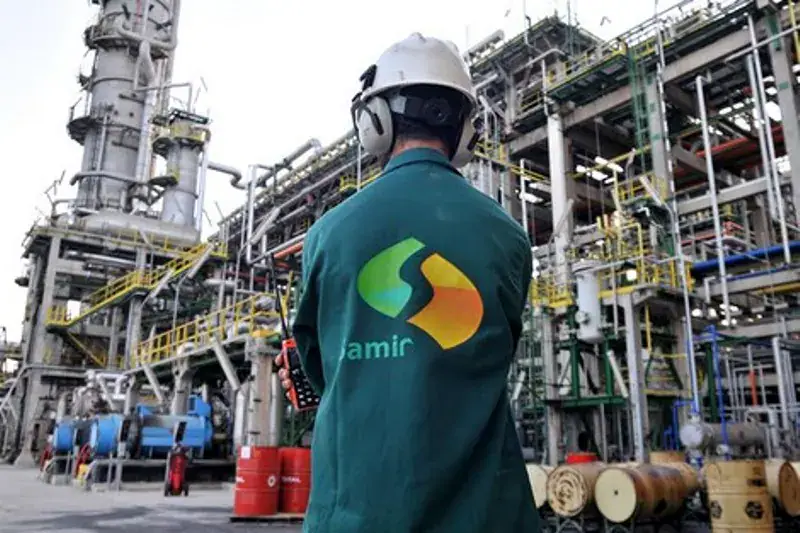
Moroccan Finance Minister Fozzi Lekjaa stated that the La Samir refinery has gone bankrupt and owes 13 billion dirhams in customs debt. He emphasized that the government never said it would close La Samir or operate it. Lekjaa explained that the refinery was operating but reached a financially insolvent state and is now under liquidation. The minister made these comments during a meeting of the Finance Committee in the Council of Advisors.
Lekjaa clarified that the state, through the customs department, provided La Samir with "laissez-passer" to import raw materials for production. However, the company accumulated a significant debt of 13 billion dirhams. He stressed that any investor interested in reviving La Samir must first settle the company's debts to the state and the banking sector. This condition must be met before resuming operations.
The minister highlighted that La Samir's production before its closure accounted for only one-third of Morocco's domestic market needs. Consequently, the country will have to import the remaining two-thirds. Lekjaa also explained that reopening the refinery does not guarantee finding oil; instead, the operator must purchase crude oil and have a sound management and industrial strategy to produce competitive products.
Lekjaa addressed concerns about the infrastructure of La Samir, stating that its storage facilities are being utilized. A liquidator was appointed by the court to manage the facilities, and several bidders have shown interest. The minister denied that the state is responsible for La Samir's closure, emphasizing that the company's owner was responsible for its operations and closure.
Lekjaa provided historical context, noting that La Samir's previous owner, who acquired the company during privatization, invested and profited but only paid corporate taxes without sharing profits with the state. When the refinery stopped operating, direct imports replaced La Samir's production, but this did not necessarily lead to lower prices.
The minister's comments aim to clarify the situation surrounding La Samir, which has been a subject of debate. He emphasized that the state's role is limited, and the company's fate depends on investors willing to settle its debts and restart operations. Lekjaa's statements provide insight into the complexities of the case and the challenges involved in reviving the refinery.
The La Samir case has implications for Morocco's energy sector and economy. As the country seeks to optimize its refining capacity, the government's strategy will be crucial in determining the future of La Samir and similar facilities. Lekjaa's remarks underscore the need for a comprehensive approach to address the challenges facing the sector and ensure a stable supply of petroleum products.
Key points
- La Samir refinery owes 13 billion dirhams in customs debt and is under liquidation.
- The refinery's production accounted for only one-third of Morocco's domestic market needs.
- Any investor interested in reviving La Samir must settle its debts to the state and the banking sector.