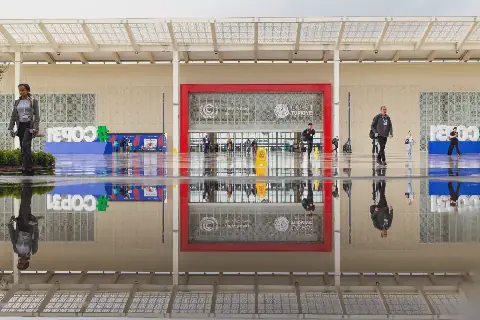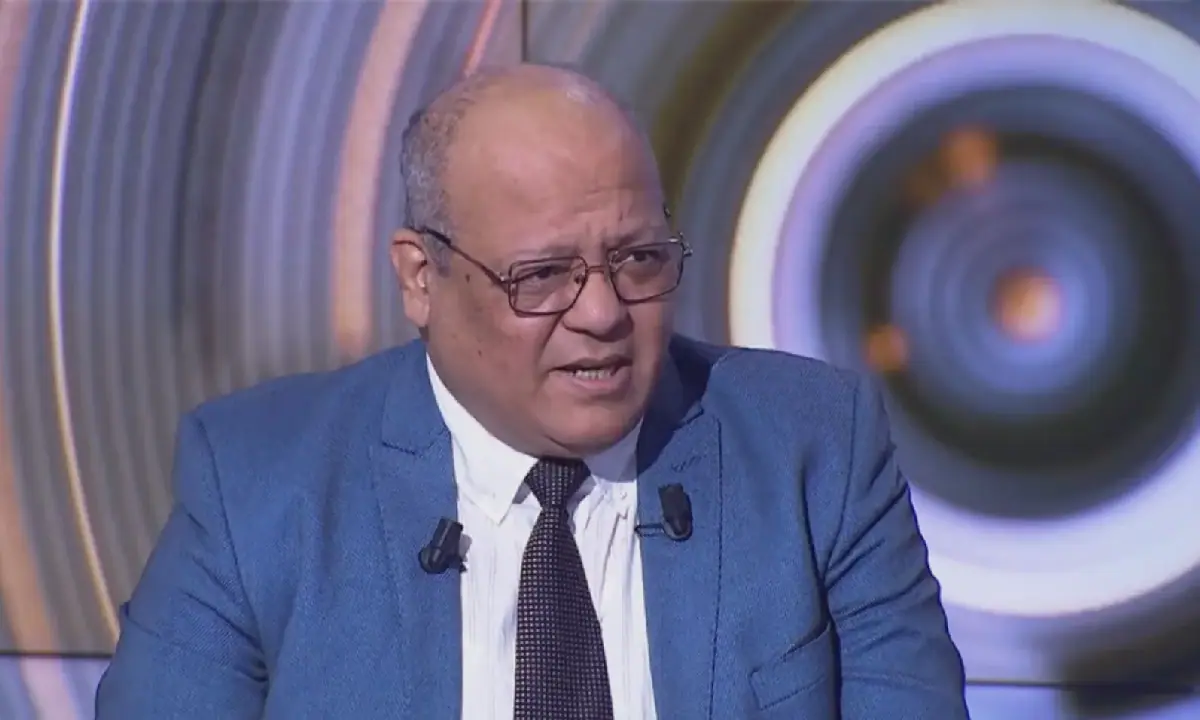
The Marrakech International Film Festival has become a platform for international dialogue between cultures and a bridge for communication between peoples and civilizations. Established in 2001, the festival has grown to include 76 films from 39 countries, showcasing diverse cinematic experiences from around the world. According to Ahmed Dafi, the festival's strategic vision is to use cinema as a means to promote coexistence, share ideas, and build bridges between nations.
The festival's 23rd edition reflects the accumulation of experience gained over the years, with a strong focus on Moroccan cinema. Eleven Moroccan films are participating in the festival, highlighting the country's rich cinematic production. Dafi notes that Marrakech has an exceptional cultural heritage, with its old medina classified as a UNESCO World Heritage Site since 1985. The city's cultural significance extends beyond its historical landmarks, with its traditional crafts, music, and art forms.
The festival also plays a significant role in promoting social and human initiatives. The organizing committee supports various projects, including those that enable the elderly and visually impaired to access film screenings. The Atlas workshops provide a platform for emerging filmmakers to develop their skills and showcase their work. Dafi emphasizes the importance of documentation and media coverage in preserving the festival's legacy and promoting its impact.
The festival's red carpet has become a platform for showcasing Moroccan culture, with traditional attire such as the caftan being featured prominently. The event also highlights Marrakech's historical landmarks, including the Jemaa el-Fnaa square and other ancient monuments. Dafi notes that the festival's media coverage extends beyond the film screenings, with a focus on promoting the city's cultural and tourist attractions.
The festival has become a catalyst for economic growth, attracting international personalities, economic actors, and companies. Dafi believes that the festival can have a positive impact on various sectors, including infrastructure, services, and tourism. He calls for expanding the festival's benefits to include various productive and economic sectors, making it a driving force for development and promotion of Morocco on the international stage.
The festival's impact extends beyond the film industry, with a focus on promoting cultural exchange and understanding. Dafi notes that cinema is a powerful tool for bridging cultural divides and promoting social cohesion. The festival's legacy continues to grow, with its influence extending beyond Morocco's borders.
As the festival continues to evolve, it remains a significant event in the cultural calendar, promoting Moroccan cinema and culture on the international stage. With its focus on cultural exchange, social initiatives, and economic growth, the Marrakech International Film Festival has become a model for other cultural events around the world.
Key points
- The Marrakech International Film Festival has become a platform for international dialogue between cultures and a bridge for communication between peoples and civilizations.
Reporting sources
- الدافري على ميدي1: مهرجان مراكش جسر بين السينما والذاكرة الحضارية وقاطرة للتنمية · Al Ahdath Al Maghribia