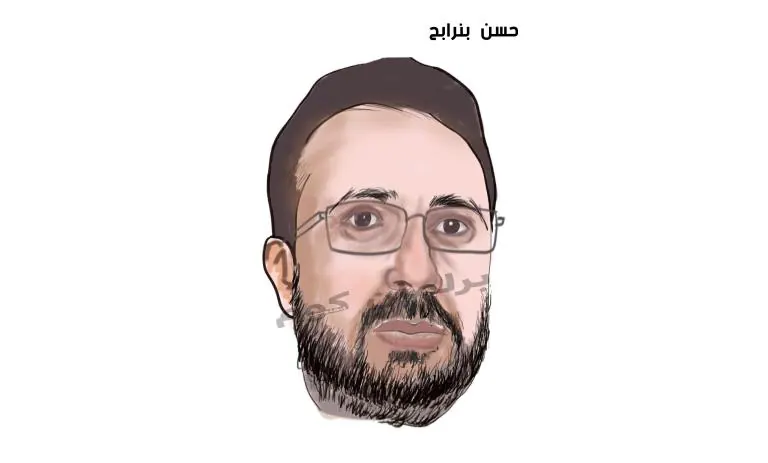
Hassan Bnajah, a well-known Moroccan figure, has made headlines with his decision to reject participation in elections. Bnajah, associated with the Justice and Charity group, has expressed his disapproval of assuming the role of a representative in the electoral process. This stance has raised questions about his allegiance to the group's leadership and the organization's views on democracy.
Bnajah's paradoxical situation lies in his enthusiastic support for the Justice and Charity group, led by figures such as Abdessalam Yassine and later, Mohammed Abadi. Despite his devotion, he refuses to participate in the electoral process, which is a cornerstone of democratic systems. Critics argue that this stance contradicts the principles of democracy, which the group claims to advocate for.
Bnajah's role within the group is that of a devoted follower, rather than a leader. His allegiance is to the group's leadership, particularly to figures like Fathallah Arslane, who is seen as the true representative of the group's interests. This dynamic has led observers to describe Bnajah's role as that of a "compars," or a supporting actor, in the group's theatricalized events.
The Justice and Charity group's leadership structure has been criticized for its opaque and autocratic nature. The group's leaders, or "mashyikh," are not elected through a democratic process but rather inherit their positions or are appointed by the group's top authorities. This system has raised concerns about the group's commitment to democratic principles.
Bnajah's rejection of electoral participation has been seen as a reflection of the group's broader skepticism towards democratic processes. While he and other group members claim to advocate for social justice and reform, their actions suggest a preference for an alternative, more opaque system of governance.
Critics argue that Bnajah's stance is at odds with the principles of democracy and the importance of civic participation. By rejecting the electoral process, Bnajah and the Justice and Charity group may be undermining the very democratic institutions they claim to seek reform within.
The debate surrounding Bnajah's stance highlights the complexities of Moroccan politics and the challenges of balancing traditional and modern forms of governance. As Morocco continues to evolve, the role of groups like Justice and Charity will likely remain a topic of discussion and scrutiny.
Key points
- Hassan Bnajah's rejection of electoral participation reflects the Justice and Charity group's skepticism towards democratic processes.
- The group's leadership structure has been criticized for its opaque and autocratic nature.
- Bnajah's stance has sparked debate about the balance between traditional and modern forms of governance in Morocco.