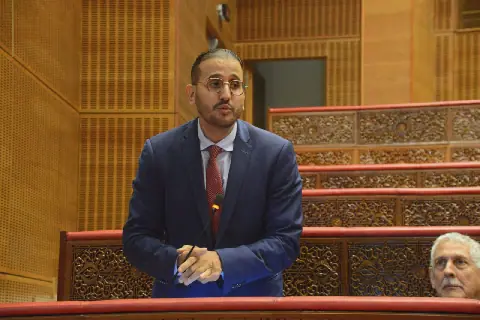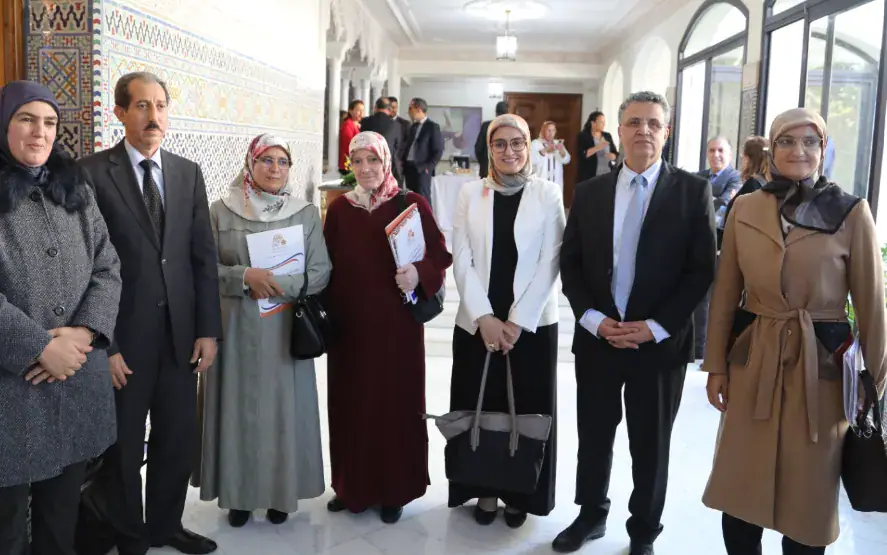
The Moroccan government is set to introduce a revised family code, with Justice Minister Abdel Latif Wehbe announcing that the draft law will be submitted to parliament soon. The move has sparked debate, with the Zahra Forum for Moroccan Women expressing concerns over rising divorce rates, citing over 159,000 actual divorce cases, according to the Higher Council of the Judiciary.
The Zahra Forum, a consultative body recognized by the United Nations Economic and Social Council, emphasized the need for any revisions to the family code to prioritize the stability of the family unit. The forum cited data from a national research study on the family, which highlighted a decline in marriage rates among young people and a decrease in fertility rates.
The forum called for the new law to address practical issues while maintaining the Islamic identity of the Moroccan family, in line with the royal message. They advocated for a balanced approach that protects the dignity of both men and women, prioritizes the best interests of children, and enhances the efficiency of family courts.
Women's rights groups, including the Zahra Forum, have demanded that the law tackle obstacles in implementing alimony rulings and recognize joint efforts in accumulating wealth. They also urged the government to adopt a participatory approach before submitting the draft law to parliament, emphasizing the importance of precise legal drafting to achieve a balance between the rights of women and men.
The proposed revisions to the family code have sparked a national conversation on balancing tradition and modernity in Morocco. The government has faced pressure from various stakeholders to address social issues, such as rising divorce rates and unequal access to justice.
The Zahra Forum's call for a balanced approach reflects the complexities of reforming the family code in Morocco, where social and cultural norms intersect with legal and political considerations. The outcome of the reform process will likely have significant implications for Moroccan families and society as a whole.
As the government moves forward with the reform process, it will need to navigate competing demands and priorities from various stakeholders, including women's rights groups, Islamic scholars, and parliamentarians. The success of the reforms will depend on the government's ability to strike a balance between tradition and modernity, while addressing the practical needs of Moroccan families.
Key points
- The Moroccan government is set to introduce a revised family code, with a focus on balancing tradition and modernity.
- Women's rights groups are advocating for changes to address practical issues, such as alimony and joint property rights.
- The reform process has sparked a national conversation on the role of Islam in Moroccan law and society.
Reporting sources
- منتدى الزهراء يدعو لمدونة تتجاوز الاختلالات دون تغيير في هوية القانون · Al Ahdath Al Maghribia