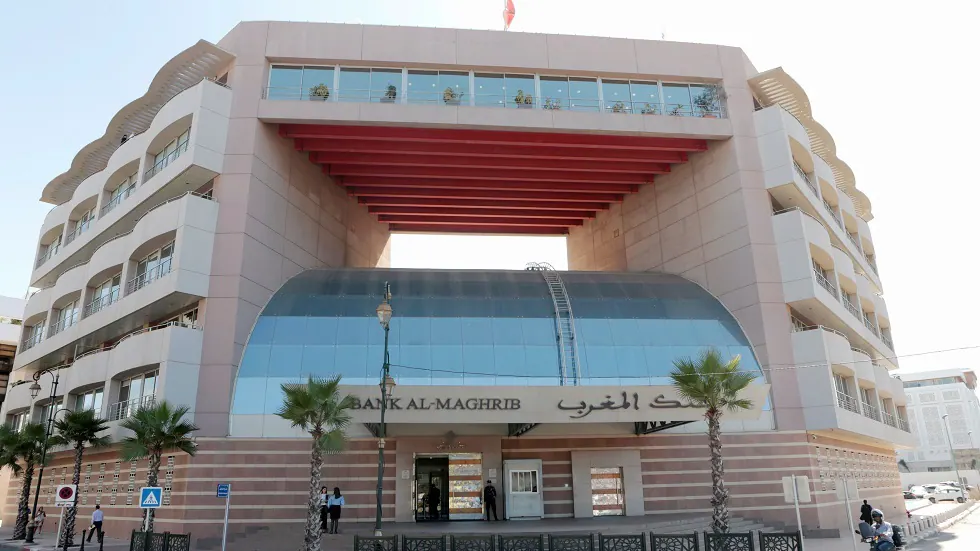
Despite inflation and rising living costs, Moroccan families and diaspora remain key contributors to bank liquidity. According to the "Bank Loans and Deposits" dashboard from Bank Al-Maghrib, deposits from families at banks increased by 9% in the first eight months of 2026, reaching over 1037 billion dirhams. The diaspora's share of deposits stood at 235.5 billion dirhams.
The total deposits at banks during the same period rose by 10%, reaching nearly 1432 billion dirhams. Private non-financial companies' deposits amounted to 258.1 billion dirhams, marking an annual increase of 11.6%. Interest rates on deposits for six months decreased by 30 basis points to 2.15%, while rates for 12-month deposits increased by 7 basis points to 2.65%.
The minimum interest rate on savings accounts was set at 1.82% for the second half of 2026, up 21 basis points from the first half of 2025. This development highlights the ongoing efforts of Moroccan families and diaspora to support the country's banking system. Their contributions play a vital role in maintaining liquidity and stability in the financial sector.
In a related development, the US Agency for International Development (USAID) has provided a grant of $5.7 million to American company "Oronix" to conduct a feasibility study for a green ammonia production project in the southern regions of Morocco. The project, valued at $4.5 billion, aims to produce 560,000 tons of green ammonia annually using American technology.
The Moroccan diaspora has also achieved a historic milestone, with remittances reaching 89.22 billion dirhams in the first eight months of 2026. This represents a significant increase from 81.846 billion dirhams during the same period in 2025. These remittances serve as a crucial source of foreign exchange for the country and contribute substantially to the nation's economic growth.
Bank Al-Maghrib and the Central Bank of the United Arab Emirates have signed two memoranda of understanding to enhance banking supervision and Islamic finance. The agreements, signed in Abu Dhabi, aim to strengthen cooperation between the two institutions and promote financial stability in the region.
The agreements will facilitate the exchange of information, enhance banking supervision, and promote Islamic finance. This development is expected to have a positive impact on the financial sector in Morocco and the UAE, fostering greater cooperation and stability between the two nations.
Key points
- Moroccan families and diaspora contribute significantly to bank liquidity, with deposits rising 9% and 10% respectively.
- Remittances from the Moroccan diaspora reach a historic high of 89.22 billion dirhams in the first eight months of 2026.
- Bank Al-Maghrib and the Central Bank of the UAE sign agreements to enhance banking supervision and Islamic finance.