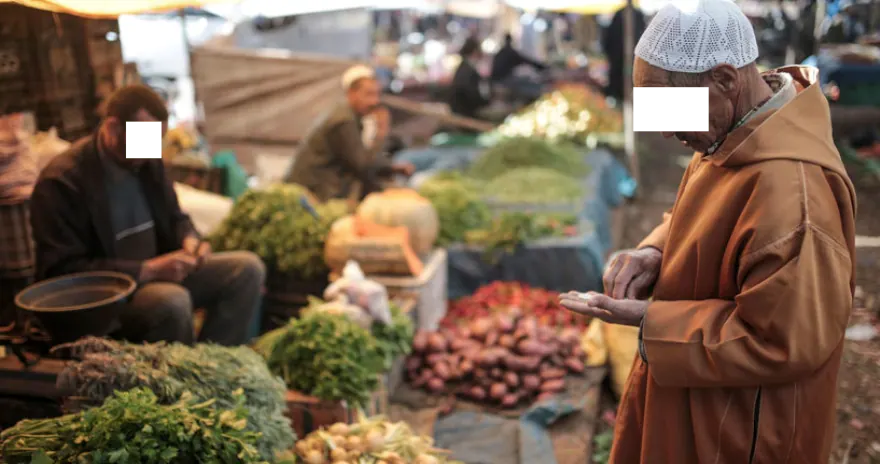
Morocco is experiencing a surge in inflation, which has significantly impacted the country's economy and citizens' purchasing power. The issue has become a pressing concern, with many Moroccans struggling to afford basic necessities. In response, various political parties have presented their election programs, which focus on addressing the economic challenges facing the country. Dr. Abdel Latif Brouho, an expert in public policies, has analyzed these programs, highlighting their strengths and weaknesses.
Dr. Brouho noted that the public debate has primarily centered around the rising cost of living, which has depleted the budgets of many Moroccan households. He emphasized that citizens are more concerned about the immediate impact of inflation on their daily lives than with long-term strategic measures. The expert pointed out that the increase in prices is partly due to internal and external factors, such as the rising cost of imports. However, he also stressed that weak productivity in key economic sectors, including agriculture, has contributed to the problem.
The expert analyzed the election program of the National Rally of Independents (RNI), which has proposed a "social shield" to protect citizens from the effects of inflation. The program includes a commitment to link social support to the inflation rate for four million families. However, Dr. Brouho noted that these measures are general and lack specific details on implementation and concrete mechanisms. He argued that a party that has previously governed the country should have provided more precise indicators.
In contrast, the Authenticity and Modernity Party (PAM) has presented a more detailed plan, known as the "purchasing power pact." The party has pledged to return prices to their natural levels, although the exact mechanisms for achieving this goal are unclear. Dr. Brouho acknowledged that this commitment is more specific but expressed concerns about the lack of transparency regarding implementation.
The Istiqlal Party has also presented its proposals, which include improving purchasing power and gradually increasing wages. However, Dr. Brouho noted that some of these proposals are vague, while others, such as the creation of regional companies to purchase, store, and distribute agricultural products, require further clarification. He warned that without clear explanations, these proposals risk repeating past experiences that have failed to address the underlying issues.
Dr. Brouho emphasized the need for a more in-depth discussion of the parties' programs, focusing on concrete proposals rather than political rhetoric. He stressed that citizens expect a genuine debate that addresses their daily struggles with inflation and the cost of living. The expert warned that without robust public policies to regulate markets and dismantle networks of intermediaries, the upcoming elections will be seen as a seasonal event disconnected from the daily concerns of Moroccans.
The issue of inflation and purchasing power has become a critical concern for Moroccans, with many citizens calling for effective solutions. As the country prepares for the upcoming elections, it remains to be seen which party's program will resonate most with voters. One thing is certain, however: the next government will face significant challenges in addressing the economic difficulties facing the country.
Key points
- Dr. Abdel Latif Brouho criticizes parties' programs for lacking concrete details on implementation.
- Moroccan citizens are increasingly concerned about the impact of inflation on their daily lives.
- Parties' election programs aim to address the economic challenges facing Morocco, but their proposals vary in terms of specificity and feasibility.