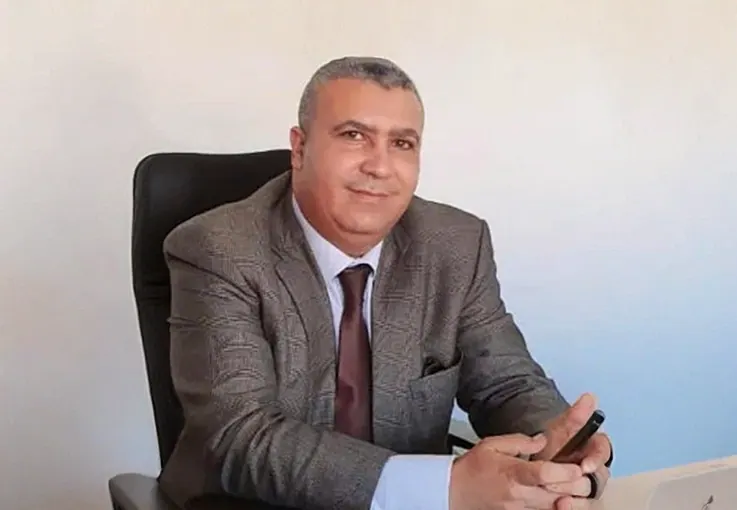
Dr. Tarik Tlaty, a professor of political science and president of the Moroccan Center for Studies and Strategic Research, has shed light on the reasons behind the low voter turnout in Morocco's recent legislative elections. According to Tlaty, the 62% abstention rate reflects a growing distance between citizens and institutions, fueled by economic pressure, disparity between reforms and daily life, and insufficient electoral mobilization.
Tlaty attributes the low voter turnout to the performance of successive governments since the adoption of the 2011 Constitution. He notes that these governments have failed to translate citizens' legitimate expectations and demands into concrete public policies that have a direct impact on daily life. The increase in the cost of living and rising prices are cited as significant examples of this failure.
The COVID-19 pandemic has exacerbated these difficulties, increasing the vulnerability of large segments of the population. Tlaty argues that the government of Aziz Akhannouch, which took office recently, has not done enough to convince citizens that it can address these challenges. As a result, a sense of frustration and mistrust has developed, affecting citizens' willingness to participate in the electoral process.
Tlaty identifies three priorities for the next government: healthcare, education, and employment, as well as rebuilding trust in politics. He emphasizes the need for specialized skills and expertise. According to Tlaty, the low voter turnout should not be seen as simply an absence of citizens at the polls but as a message and an indicator of a crisis of trust that requires in-depth analysis.
The expert argues that the responsibility for this phenomenon cannot be attributed solely to the government or the Ministry of Interior. He believes that political parties also have a significant role to play in proposing convincing projects and programs, renewing their discourse, and rebuilding bridges of trust with citizens.
Tlaty notes that the real question after the elections is not only about who won or lost but also about why a significant proportion of citizens stayed away from the electoral process. He stresses that democracy is not only measured by the number of seats won by parties but also by their ability to convince citizens that their voices matter and that their participation can make a difference.
Ultimately, Tlaty emphasizes that the next government must prioritize rebuilding trust in politics, institutions, and the usefulness of participation. This can be achieved by addressing citizens' daily concerns, such as the cost of living, education, healthcare, and employment, and by providing concrete and tangible results.
Key points
- Dr. Tarik Tlaty cites economic pressure, disparity between reforms and daily life, and insufficient electoral mobilization as key factors contributing to the low voter turnout.