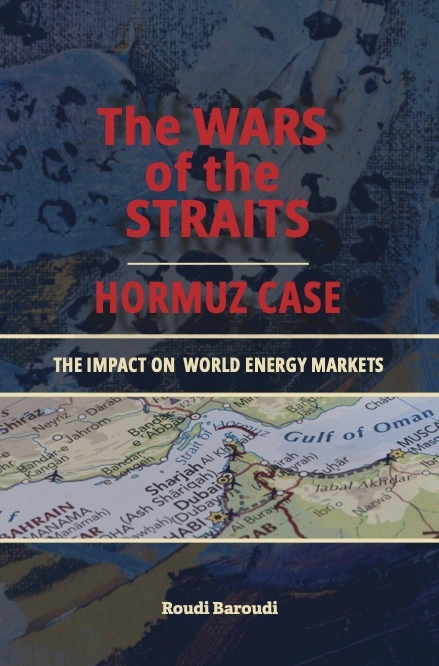
A new book by Dr. Rudi Baroudi, an international energy expert and member of the Transatlantic Leadership Network (TLN), offers a comprehensive analysis of the 2026 global energy crisis and its historical context. Titled "Wars of the Straits - The Strait of Hormuz Case: Impact on Global Energy Markets," the book was released in Washington on September 21, 2026. Baroudi's work explores the evolution of "wars of the straits" over seven centuries, providing a broader historical perspective on the current conflicts.
The book delves into the modern confrontations in the Gulf region and the "war of the tankers" during the 1980s, as well as the historical roots of the struggle for strategic sea routes. By examining the role of these waterways in international power competition, Baroudi demonstrates how they have been used as tools for political and economic pressure during crises. This approach allows readers to understand the 2026 events within a wider historical context.
Baroudi's research highlights the significance of the Strait of Hormuz, a critical passage for global energy supplies. The strait has been a focal point of tensions between major powers and regional actors, with its importance underscored by the frequency of crises in the region. The book provides insights into how these tensions have evolved over time and their potential impact on global energy markets.
The author, with his extensive experience in international energy affairs, offers a nuanced understanding of the complex interplay between geopolitics and energy security. By analyzing historical precedents and contemporary challenges, Baroudi aims to inform readers about the potential trajectories of future conflicts and their implications for global energy stability.
The release of "Wars of the Straits - The Strait of Hormuz Case" coincides with increased attention to global energy security, driven by rising demand and supply chain vulnerabilities. As the world navigates these challenges, Baroudi's book provides a timely and authoritative contribution to the discourse on energy policy and international relations.
Key to Baroudi's analysis is the notion that control over strategic sea routes can significantly influence global energy dynamics. His examination of historical and contemporary conflicts highlights the need for a comprehensive approach to energy security, one that takes into account both the geopolitical context and the evolving nature of global energy markets.
As the global community continues to grapple with the complexities of energy security and international relations, Dr. Baroudi's book offers a valuable resource for policymakers, scholars, and industry experts. By providing a detailed and historically informed analysis of the challenges ahead, "Wars of the Straits - The Strait of Hormuz Case" contributes to a more informed discussion on the future of global energy stability.
Key points
- Dr. Rudi Baroudi's book provides a historical context for understanding the 2026 global energy crisis and the strategic importance of sea routes like the Strait of Hormuz.