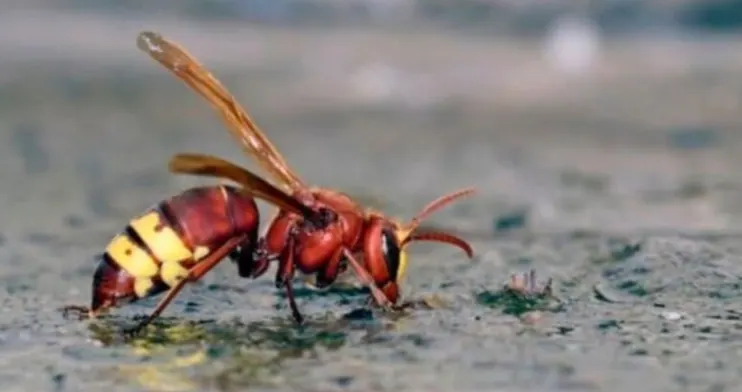
The Moroccan environmental watchdog OPEMH has expressed concern over the presence of the Asian hornet in several regions of northern Morocco, including Tangier, Tetouan, and Fnideq. According to a recent scientific study, the Asian hornet, also known as Vespa orientalis, has been spotted in these areas, posing a threat to local bee populations and ecosystems. The study, conducted in 2025, found that the Asian hornet had established itself in northern Morocco, along with the European hornet, Vespa crabro.
The Asian hornet is a highly invasive species that can have devastating effects on local ecosystems. It is known to attack and kill honeybees, disrupt their colonies, and affect their ability to forage for food. Additionally, the hornet can transmit diseases to bees and other insects, further exacerbating the impact on local ecosystems. OPEMH has warned that the presence of the Asian hornet in northern Morocco poses a significant threat to the region's beekeeping industry and biodiversity.
OPEMH has called for urgent action to monitor and control the spread of the Asian hornet in northern Morocco. The organization has recommended that a comprehensive program be put in place to track the hornet's movement, identify areas of high risk, and develop strategies to mitigate its impact. This includes working with local authorities, beekeepers, and other stakeholders to raise awareness about the threat posed by the Asian hornet and to develop effective control measures.
The Asian hornet is also a threat to human health, as its stings can cause serious allergic reactions. In addition, the hornet can establish itself in urban areas, including homes and buildings, which can lead to conflicts with humans. OPEMH has warned that the presence of the Asian hornet in northern Morocco requires a coordinated response from local authorities, scientists, and the public to prevent its spread and mitigate its impact.
To address the threat posed by the Asian hornet, OPEMH has recommended that a regional monitoring program be established to track the hornet's movement and identify areas of high risk. The organization has also called for the development of a comprehensive control program that includes measures such as removing nests, controlling the hornet's spread, and educating the public about the threat it poses.
OPEMH has emphasized the importance of a scientific approach to addressing the threat posed by the Asian hornet. The organization has recommended that local authorities work with scientists and experts to develop effective control measures and to monitor the hornet's impact on local ecosystems. This includes conducting regular surveys to track the hornet's movement and identifying areas of high risk.
The warning from OPEMH comes as Morocco continues to grapple with the challenges of invasive species and environmental degradation. The country's environmental authorities have been working to address these issues, including the development of strategies to protect local ecosystems and promote sustainable development. The Asian hornet invasion is a significant challenge that requires a coordinated response from local authorities, scientists, and the public to prevent its spread and mitigate its impact.
Key points
- The Asian hornet poses a significant threat to local bee populations and ecosystems in northern Morocco.
- OPEMH has recommended a comprehensive program to monitor and control the spread of the Asian hornet.
- The Asian hornet is also a threat to human health, as its stings can cause serious allergic reactions.