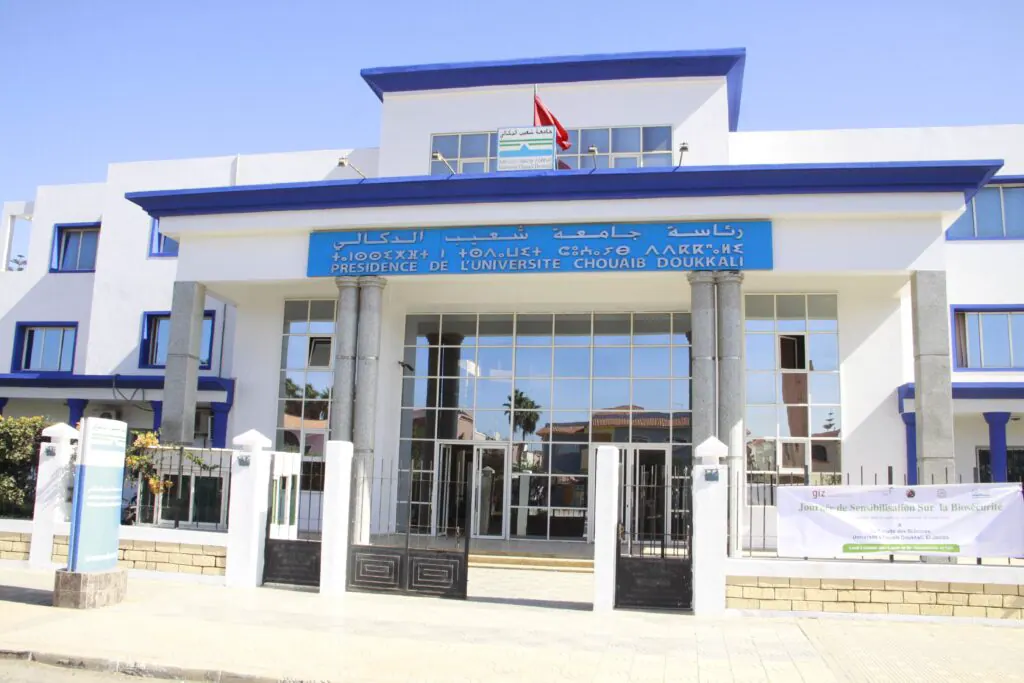
A recent incident at the Higher School of Technology in Sidi Benour, affiliated with the University of Chouaib Al-Dukali, has raised questions about the administration's handling of employees' voting rights during the legislative elections. On September 23, 2026, a staff member left his workplace to cast his ballot, only to be asked to provide explanations for his departure before the end of the administrative day and without prior authorization.
The employee claimed that he had completed his essential tasks for the day and informed the relevant administrative authorities about his departure. He also cited the provisions related to exercising the right to vote and a circular from the Head of Government regarding facilitating employees' participation in the electoral process. However, the incident led to an administrative inquiry, highlighting the challenges of balancing work obligations with civic duties.
The incident has sparked a broader discussion about the administration's arrangements for employees to exercise their right to vote on election day. When the administrative time coincides with the voting schedule, clear and prior organization of employee departures becomes crucial to avoid turning voting into a subject of administrative accountability. The incident raises questions about the measures taken by institutions to enable employees to vote without disrupting the normal functioning of the public service.
The circular from the Head of Government and the provisions related to exercising the right to vote emphasize the importance of facilitating employees' participation in the electoral process. However, the incident suggests that the implementation of these measures may vary across institutions, leading to inconsistencies and potential conflicts. The employee's case highlights the need for clear guidelines and communication to ensure that employees can exercise their right to vote without fear of administrative repercussions.
The university administration's handling of the incident has not been made public, but the case has raised concerns about the potential impact on employee morale and the exercise of civic duties. The incident has also sparked a wider debate about the balance between work obligations and civic responsibilities, particularly in the public sector. As Morocco continues to strengthen its democratic institutions, the administration's response to such incidents will be closely watched.
According to sources, the incident has been documented, and the relevant administrative authorities will investigate the matter. The outcome of the investigation is expected to shed light on the circumstances surrounding the employee's departure and the administration's handling of the situation. The case has also raised questions about the need for clearer guidelines and communication to ensure that employees can exercise their right to vote without disrupting the normal functioning of the public service.
The incident serves as a reminder of the complexities of balancing work obligations with civic duties, particularly in the public sector. As Morocco continues to strengthen its democratic institutions, the administration's response to such incidents will be crucial in ensuring that employees can exercise their right to vote without fear of administrative repercussions. The case highlights the need for clear guidelines, effective communication, and a supportive work environment that enables employees to participate in the democratic process.
Key points
- A Moroccan employee's decision to vote in legislative elections sparked an administrative inquiry into his unauthorized absence from work.
- The incident raises questions about the administration's arrangements for employees to exercise their right to vote on election day.
- The case highlights the need for clear guidelines and communication to ensure that employees can exercise their right to vote without fear of administrative repercussions.