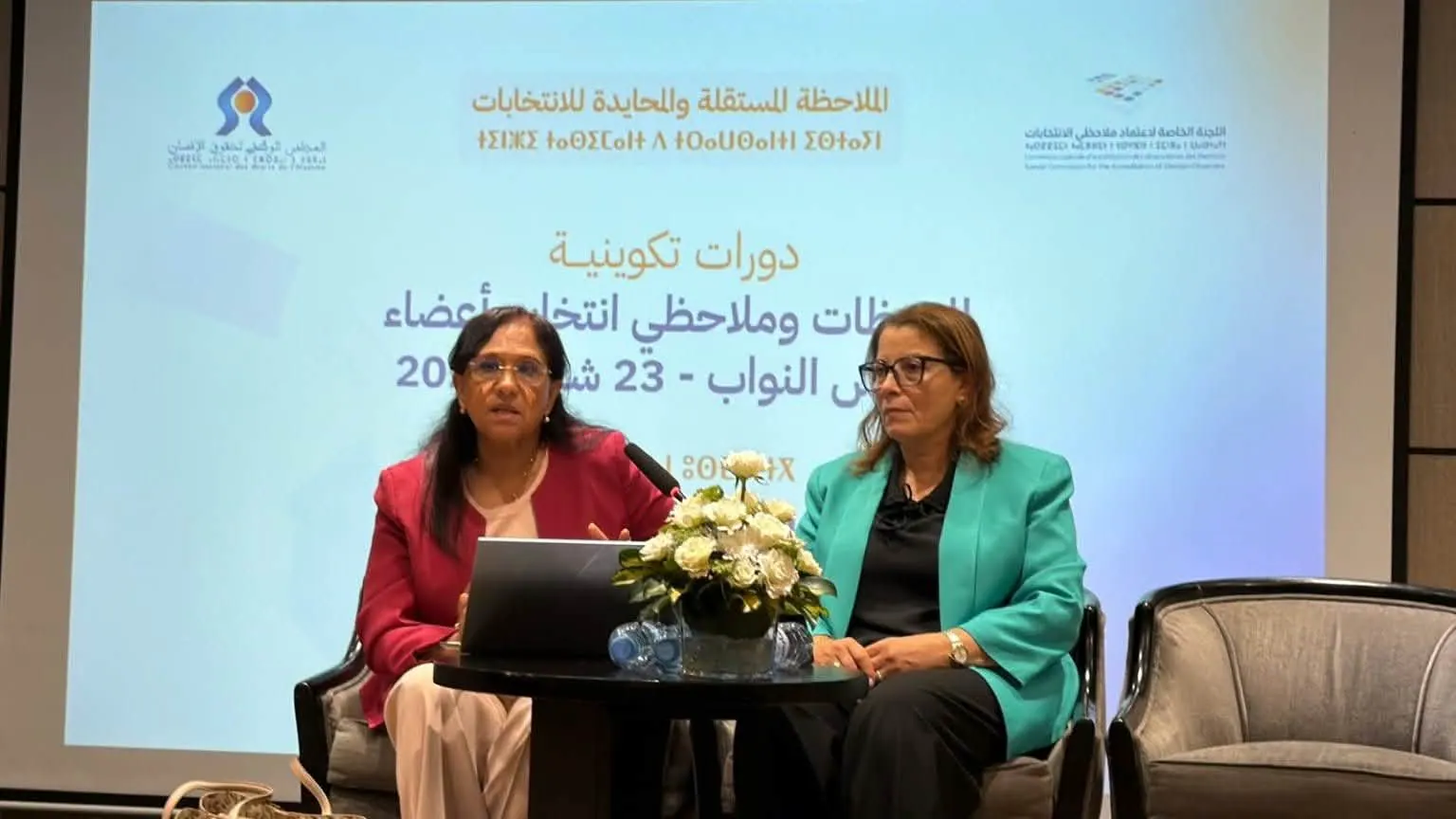
Morocco's National Human Rights Council (CNDH) has reported a surge in the use of religious rhetoric during the country's recent elections. According to CNDH President Amina Bouayach, 44 cases of using religion and religious symbols to sway voters were recorded, along with approximately 2,300 online content pieces that framed the election as a confrontation between "infidels and Muslims." This development has raised concerns about the role of religion in the electoral process.
The CNDH also reported several irregularities during the election process, including two incidents in the city of Tangier. The council is awaiting the results of investigations into these incidents and has announced that it will publish its report and submit it to the public prosecutor and the judiciary. The incidents have sparked concerns about the transparency and integrity of the electoral process.
Bouayach stated that despite these incidents, the elections took place in normal circumstances, and there was no significant impact on the overall voting process. However, she expressed concern about the low voter turnout, which she said raised questions about trust in institutions and the political process. The turnout was reportedly the lowest since the 2011 constitution.
The CNDH also observed a weak presence of young people on independent lists, with only two independent youth lists submitted. In contrast, Bouayach noted that there was no evidence of bias by the administrative authorities in favor of any particular electoral list, and no cases of violence were reported during the campaign or on voting day.
The council also observed a significant presence of women in various electoral activities, but noted that people with disabilities were underrepresented, both as candidates and in electoral campaigns. The CNDH attributed the low turnout to various socio-economic factors, including employment, education, and healthcare issues.
Bouayach's comments have reignited the debate about the nature of Morocco's political practice, particularly in light of the use of religious rhetoric and the growing importance of social media in the electoral process. The low turnout and concerns about the integrity of the process have raised questions about the country's democratic trajectory.
The CNDH's report is expected to shed more light on the electoral process and provide recommendations for future improvements. The council's findings have sparked a renewed focus on the need for electoral reforms and increased transparency in Morocco's democratic process.
Key points
- Use of religious rhetoric in Moroccan elections raises concerns about the role of religion in politics.
- Low voter turnout in Moroccan elections prompts questions about trust in institutions.
- Irregularities and incidents during the election process raise concerns about the integrity of the electoral process.