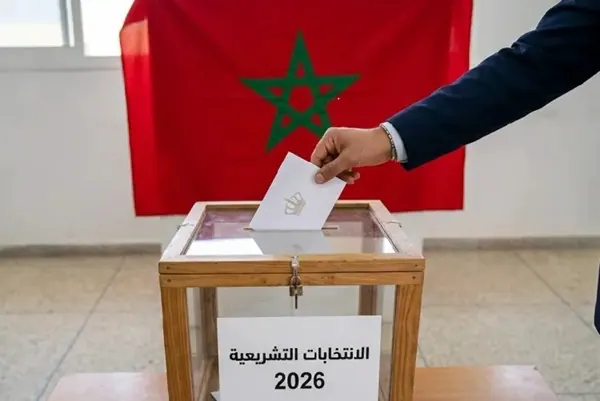
The recent elections in Morocco have been characterized as the most apathetic in years, with many voters expressing disillusionment with the available options. In contrast to previous elections, which were marred by corruption and violence, this year's polls were notable for their lack of excitement and substance. Many voters have expressed frustration with the current state of politics in Morocco, where the differences between parties are often seen as negligible.
In the 1990s, elections in Morocco were often marked by corruption and violence, with entire neighborhoods in cities like Tangier being built overnight and then mysteriously appearing on electoral lists. This year's elections, however, have been described as a significant improvement in terms of transparency and fairness. Despite this, many voters have expressed disappointment with the lack of genuine choice and the similarity between the various parties.
One voter, who wished to remain anonymous, described the previous elections as a "day of corruption" and a "day of migration and smuggling". He recalled that in his neighborhood, voters would often be coerced into supporting specific candidates, and that the elections were often marked by violence and intimidation. In contrast, this year's elections have been characterized by a lack of enthusiasm and engagement, with many voters choosing not to participate.
The elections have been criticized for their lack of substance and the similarity between the various parties. Many voters have expressed frustration with the fact that the parties seem to be competing to see who can implement the government's policies most effectively, rather than offering genuine alternatives. This has led to a sense of disillusionment and apathy among many voters.
Despite the lack of enthusiasm for the elections, there are signs that many Moroccans are eager for change. The emergence of new parties and movements suggests that there is a desire for greater diversity and representation in Moroccan politics. However, it remains to be seen whether these new voices will be able to make a significant impact in the country's politics.
The low turnout in the elections has been attributed to a lack of engagement among young people, who are often seen as the most disaffected and disillusioned with the current state of politics. Many young Moroccans have expressed frustration with the fact that the elections seem to be dominated by older politicians and that there is a lack of opportunities for new voices to emerge.
In conclusion, Morocco's recent elections have been marked by apathy and a lack of political discourse. While the elections have been described as a significant improvement in terms of transparency and fairness, many voters have expressed disappointment with the lack of genuine choice and the similarity between the various parties. As the country looks to the future, it remains to be seen whether new voices and movements will be able to make a significant impact in Moroccan politics.
Key points
- Moroccan elections have been criticized for their lack of substance and the similarity between parties.
- Many voters have expressed frustration with the fact that the parties seem to be competing to see who can implement the government's policies most effectively.
- The low turnout in the elections has been attributed to a lack of engagement among young people.