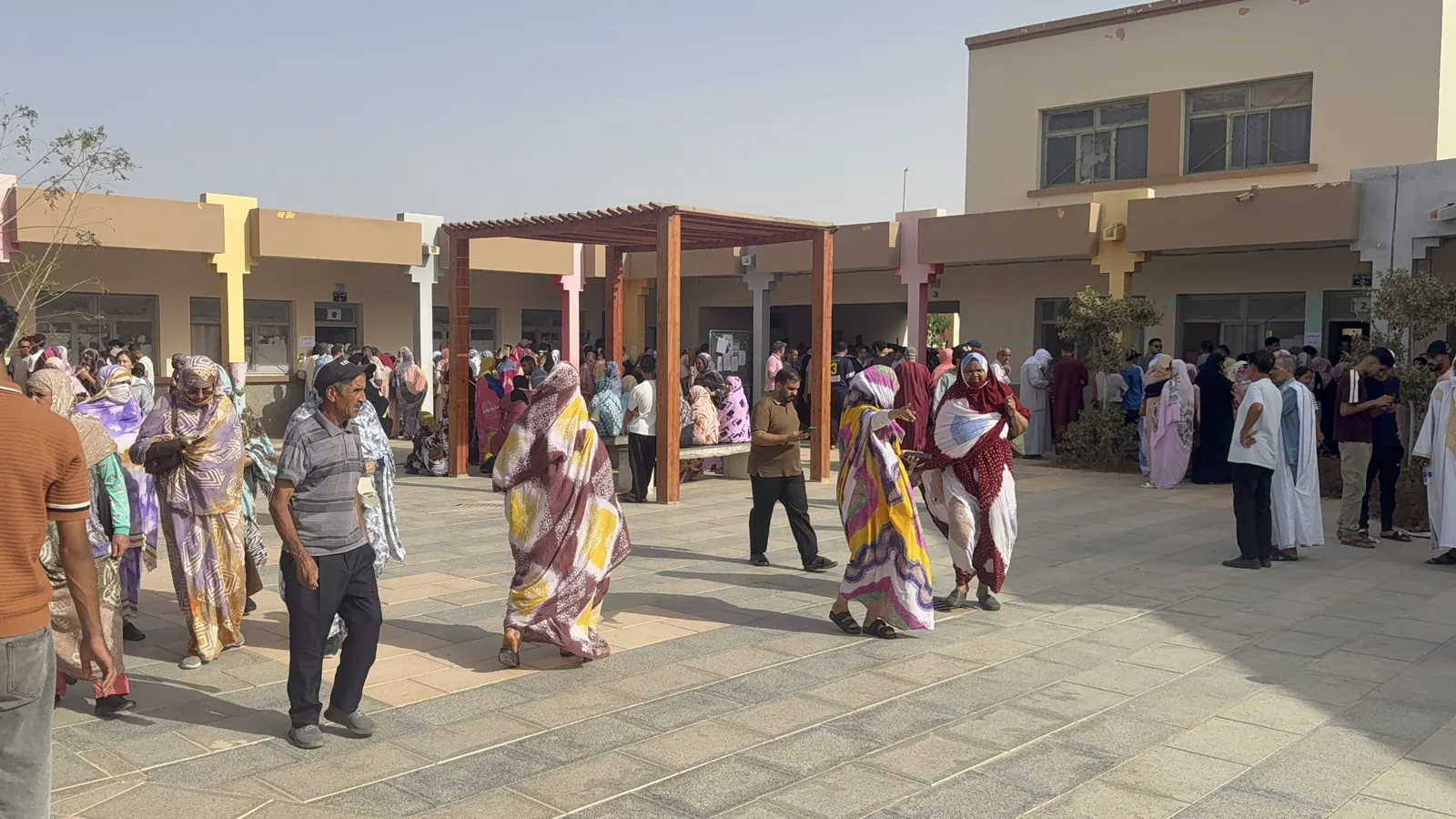
Morocco's southern regions have demonstrated significant participation in the recent elections, with a notable turnout in the voting process. This development has led to discussions about the regions' role in the country's politics and their potential impact on the upcoming government formation. The elections have been seen as an opportunity for the southern regions to assert their presence and influence in the country's decision-making process. Analysts argue that the regions' participation is not limited to the electoral process but should also translate into a stronger presence in the government.
The elections have highlighted the importance of the southern regions in Morocco's politics, with many leaders from these regions playing a crucial role in the electoral process. The regions' participation has been seen as a way to challenge the traditional dominance of the country's northern regions. The elections have also raised questions about the criteria for selecting government officials, with many arguing that competence and electoral legitimacy should be the primary considerations. The regions' leaders have emphasized the need for a more representative government that reflects the country's diverse regions.
The government formation process is expected to be influenced by the election results, with various parties vying for positions of power. The upcoming government is likely to be shaped by the need to balance the interests of different regions and parties. Analysts argue that the government should prioritize competence and merit in selecting its officials, rather than relying on traditional ties or regional affiliations. The southern regions' participation in the elections has raised expectations about their potential role in the government.
The elections have also highlighted the need for a more inclusive and representative government in Morocco. Many argue that the government should reflect the country's diverse regions and communities. The southern regions' participation has been seen as a step towards achieving this goal. However, others argue that the government formation process is often influenced by a range of factors, including party politics and regional interests.
The role of key leaders in the elections has also been a subject of discussion. Some leaders, such as Aziz Rabbah, have played a significant role in the electoral process. Their influence is likely to shape the upcoming government formation. The leaders' relationships with different parties and regions will be crucial in determining the government's composition.
The government formation process in Morocco is often complex and influenced by a range of factors. The upcoming government will need to address various challenges, including economic development and social issues. The southern regions' participation in the elections has raised expectations about their potential role in addressing these challenges.
The elections have highlighted the need for a more effective and representative government in Morocco. The upcoming government formation process will be crucial in determining the country's future direction. The government's ability to address the country's challenges and promote inclusive development will depend on its composition and priorities.
Key points
- The southern regions' participation in the elections has raised expectations about their potential role in the government.
- The government formation process is expected to prioritize competence and merit in selecting officials.
- The upcoming government will need to address various challenges, including economic development and social issues.