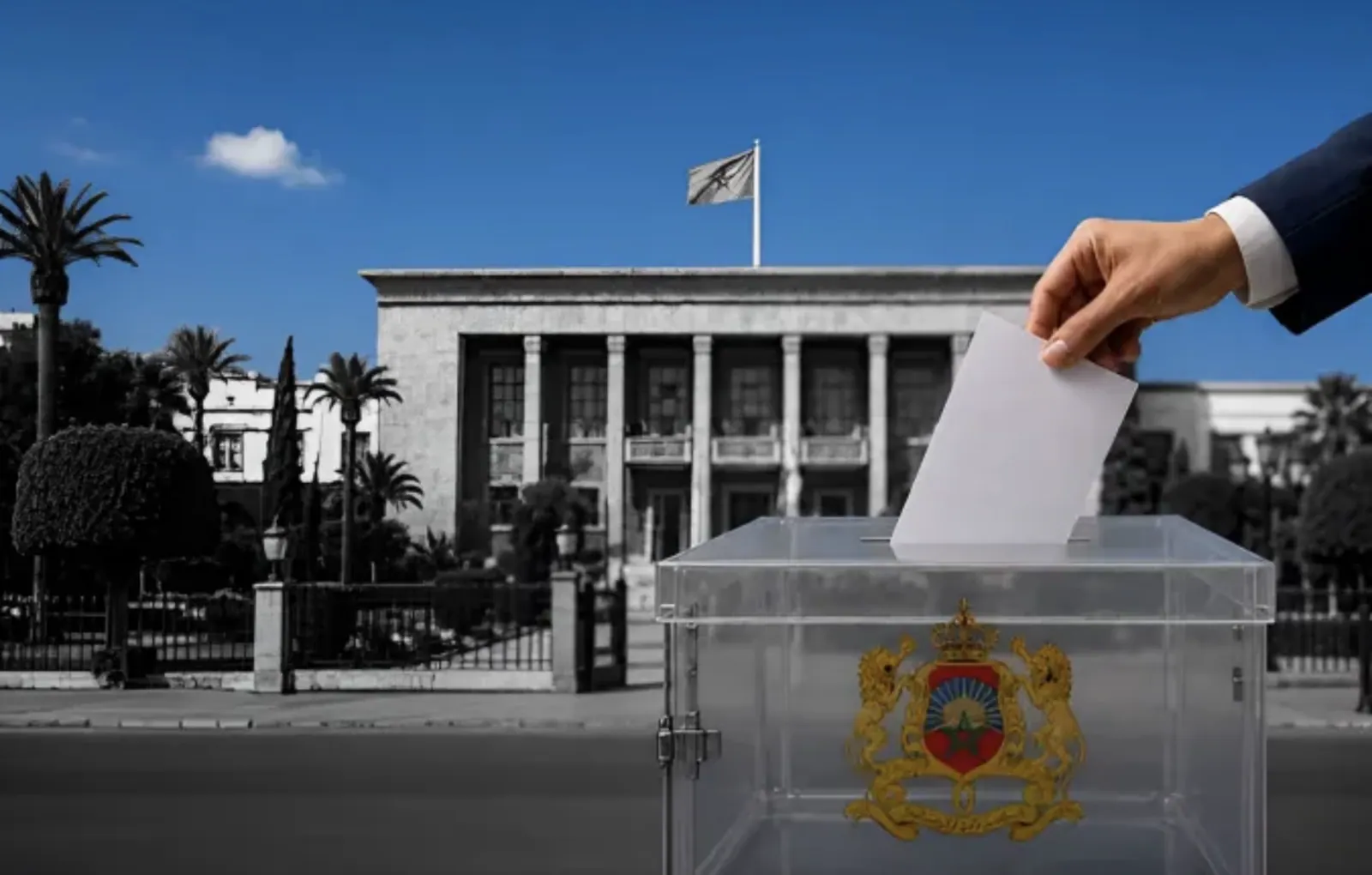
Moroccan writer and researcher Ahmed Essid has stated that the recent parliamentary elections, held on September 23, should be evaluated based on their contribution to consolidating democracy and promoting citizenship values. Essid emphasized that the purpose of elections goes beyond simply choosing representatives and managing public affairs, but also involves educating citizens on democratic principles and civic engagement.
Essid expressed concerns that the election campaign preceding the polls did not meet expectations, citing continued practices that contradict democratic awareness, such as electoral bribery, excessive use of religion, and tribal and clan-based mobilization. These actions, he argued, have hindered the development of citizenship values among Moroccans, instead fostering division and violence.
According to Essid, the election results did not bring significant changes, except for a shift in the ranking of parties within the previous majority. The Authenticity and Modernity Party replaced the National Rally of Independents, which suffered a substantial electoral setback. The Independence Party maintained its previous position, making it possible to form a government majority, similar to the previous experience.
The return of the Justice and Development Party to prominence was expected, given the tendency of some voters to cast punitive votes in its favor. Essid noted that the party's success in urban areas and failure in rural areas can be attributed to the role of the middle class and the margins of poverty in urban areas, as well as Morocco's incomplete cultural and value-based modernization.
A notable outcome of the elections was the rise of the Leftist coalition, which secured eight seats despite not relying on financial resources, tribal affiliations, or religious rhetoric. Essid views this coalition as a model for a potential future alternative. Additionally, two new parties, the New Democrats and the Equity Party, have emerged within the legislative institution.
Essid's comments highlight the complexities of Morocco's democratic journey, with ongoing challenges and opportunities for growth. The emergence of new parties and coalitions may signal a shift towards a more diverse and representative political landscape. However, concerns about electoral practices and the role of money and religion in politics persist.
As Morocco moves forward, the focus will be on the ability of its democratic institutions to promote civic engagement, accountability, and the representation of diverse voices. The upcoming government formation and the role of various parties within it will be crucial in shaping the country's future and addressing the expectations of its citizens.
Key points
- The rise of the Leftist coalition with eight seats despite limited resources.
- Concerns about electoral practices and the role of money and religion in politics.
- The emergence of new parties, including the New Democrats and the Equity Party.