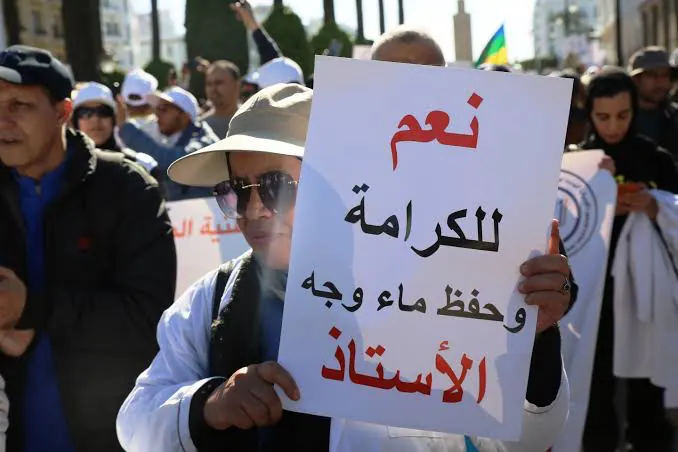
The Moroccan education sector is witnessing renewed demands from its workforce for improved working conditions, specifically the reduction of weekly working hours and the adoption of Saturday as a weekly holiday. This push comes as the sector awaits the formation of a new government and its potential response to long-standing union demands. The request is seen as crucial for enhancing the professional and social stability of teachers.
The demand for a shorter workweek and a Saturday holiday is part of a broader set of union requests aimed at improving working conditions and professional stability for educators. The National Union of Education has been at the forefront of this push, arguing that reduced working hours would lead to better job performance and overall quality of education. This move is also expected to bring more harmony to the public sector's holiday system.
Education sector unions are calling for immediate and serious engagement from responsible authorities on this matter. They argue that cutting working hours would significantly improve working conditions and boost the productivity of educational work, ultimately reflecting positively on education quality. Saturdays being holidays would align the education sector with other public sectors that already enjoy this benefit.
The education workforce is hopeful that the new government will prioritize their demands, especially given the ongoing discussions about improving their conditions, enhancing job attractiveness, and preserving the dignity of sector workers. There is a strong expectation that this issue will be addressed, considering its prominence in educational and union discussions over the years.
Union sources have reaffirmed their commitment to this demand and their readiness to continue advocating for it through legitimate means of protest until their requests are met. This comes as part of a broader dialogue about the future of the education sector and the welfare of its employees under the new government.
The push for reform within the education sector is part of a larger narrative of public sector reform and improvement in Morocco. As the country looks to enhance public services and working conditions across various sectors, the education sector's demands for better working conditions and a more balanced work-life balance for its employees are gaining traction.
Key to the education sector's demands is the belief that better working conditions will lead to improved educational outcomes. By aligning with international standards and practices, Morocco aims to not only enhance the quality of education but also to ensure that its educators are valued and able to perform at their best.
Key points
- Moroccan education sector workers demand reduced work hours and Saturday as a weekly holiday.
- The demand aims to improve working conditions and align the sector with other public sectors.
- The new government is expected to prioritize this and other union demands to improve education and working conditions.