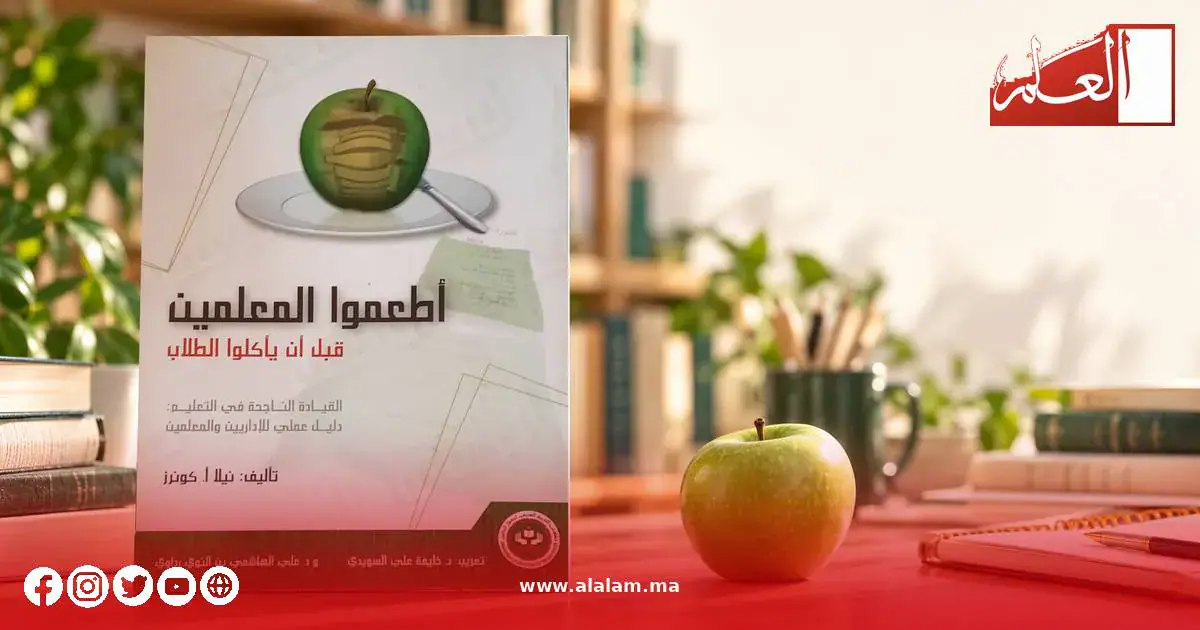
A recent publication by Moroccan media outlet Al-Alam highlights the significance of prioritizing teacher welfare in Morocco's education system. The article, written by researcher Abd al-Fattah al-Sadqi, discusses the importance of providing teachers with a supportive work environment to enhance the overall quality of education. This approach is based on a book by American educator Neila A. Connors, which emphasizes the need for administrators and teachers to work together to create a successful learning environment.
The article argues that simply changing curricula and programs is not enough to reform the education system; instead, it is crucial to focus on the welfare of teachers. This includes providing them with a stable work environment, recognizing their efforts, and involving them in decision-making processes. In Morocco, teachers face significant challenges, including a heavy workload, low salaries, and a lack of resources. According to a report by the Organisation for Economic Co-operation and Development (OECD), 70% of Moroccan teachers report being overwhelmed by the number of assignments they need to grade.
The OECD report also reveals that Moroccan teachers are dissatisfied with their salaries, with only 24% expressing satisfaction. This is in contrast to the OECD average of 39%. To address these issues, the article suggests that Morocco needs to adopt a more participatory approach to education reform, involving teachers in the decision-making process and providing them with the necessary resources and support. This approach is in line with the country's constitution, which emphasizes the importance of participatory democracy.
Another key aspect of the article is the need for a shift from traditional administrative approaches to a more collaborative leadership style. This involves empowering teachers to take ownership of their work and providing them with the autonomy to develop innovative teaching methods. The article cites a study by the OECD, which found that 69% of Moroccan students attend schools where principals report that a lack of educational resources affects teaching.
The article also highlights the importance of recognizing and valuing teachers' contributions. This can be achieved by creating a culture of appreciation and reward, which can help to boost teacher morale and motivation. According to the OECD report, 50% of Moroccan teachers believe that society values their profession, but only 29% believe that their opinions are taken into account by policymakers.
The article concludes that prioritizing teacher welfare is essential for improving the quality of education in Morocco. This involves providing teachers with a supportive work environment, recognizing their efforts, and involving them in decision-making processes. By adopting a more participatory and collaborative approach to education reform, Morocco can create a more effective and sustainable education system.
The Moroccan education system has faced significant challenges in recent years, including a lack of resources and infrastructure. However, by prioritizing teacher welfare and adopting a more collaborative approach to education reform, the country can make progress towards creating a more effective and sustainable education system. This approach is in line with international best practices and can help to improve the quality of education for all Moroccan students.
Key points
- Prioritizing teacher welfare is essential for improving the quality of education in Morocco.
- A more participatory and collaborative approach to education reform is needed.
- Recognizing and valuing teachers' contributions is crucial for boosting teacher morale and motivation.