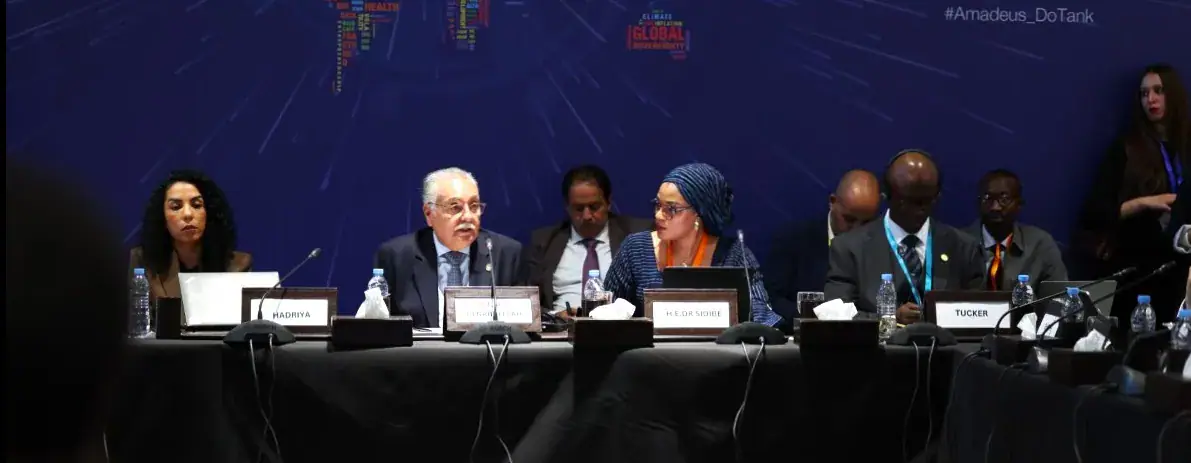
The 18th edition of the MEDays Forum, held in Tangier, brought together government officials, academics, and economic actors to discuss the challenges and opportunities of Africa's demographic dynamics. The forum's theme, "Former, employer, transformer: la jeunesse africaine à l'heure des choix" (Train, Employ, Transform: African Youth at a Crossroads), focused on education, employment, and entrepreneurship. Participants examined ways to transform Africa's demographic growth into economic opportunities. The discussions highlighted the need for reforms in education systems, professional insertion of young people, and adaptation of skills to technological changes.
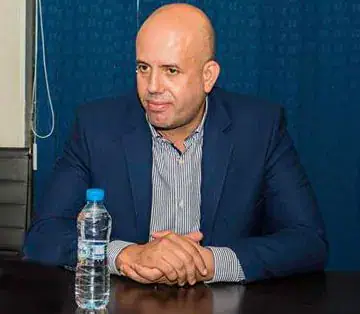
Moroccan Education Minister Mohamed Nabil Benabdellah stressed the importance of developing an education system that promotes equal opportunities, reduces social and territorial disparities, and fosters socio-economic inclusion. He cited Morocco's progress in universalizing preschool education, with a coverage rate exceeding 80%, and the "Écoles pionnières" program, which aims to strengthen fundamental learning. Benabdellah also emphasized the need to combat school dropout rates and integrate new skills into educational curricula, such as languages, behavioral skills, digital literacy, and artificial intelligence.
Benabdellah advocated for the development of bridges between general education and vocational training, as well as support for young people from middle school to their first professional insertion. He highlighted the role of the Cités des métiers et des compétences (CMC) in this approach. According to the minister, the goal is to create a more cohesive and effective education system that prepares students for the job market. This approach aims to address the challenges of youth unemployment and underemployment in Africa.
Diaka Sidibé, advisor to the President of Guinea, presented her country's experience with the "Simandou 2040" socio-economic development program and the "Simandou Academy" initiative. Sidibé emphasized that one of Africa's main challenges is transforming its natural resources into human capital and productive capacities. This requires better anticipation of skills needs, closer ties between academic institutions and industrial companies, and strengthened scientific research and innovation.
The forum also discussed the impact of artificial intelligence on higher education. Several academics and experts called for adapting teaching approaches to better prepare students for changes in the job market. The rapid evolution of technology requires educational institutions to innovate and update their curricula to remain relevant. This transformation is crucial for Africa's economic development and youth employability.
The MEDays Forum highlighted the need for African countries to invest in education and adapt training programs to meet labor market needs. Participants emphasized the importance of supporting entrepreneurship and creating opportunities for young people. The forum provided a platform for experts and policymakers to share experiences and best practices in addressing the challenges facing African youth.
The Moroccan government's efforts to improve education and employment opportunities for young people are part of a broader strategy to promote economic growth and social inclusion. The country's progress in education and vocational training is seen as a positive step towards addressing the continent's demographic and economic challenges. The MEDays Forum will continue to provide a platform for discussion and collaboration on these critical issues.
Key points
- Moroccan Education Minister Mohamed Nabil Benabdellah emphasizes the need for an education system that promotes equal opportunities and socio-economic inclusion.