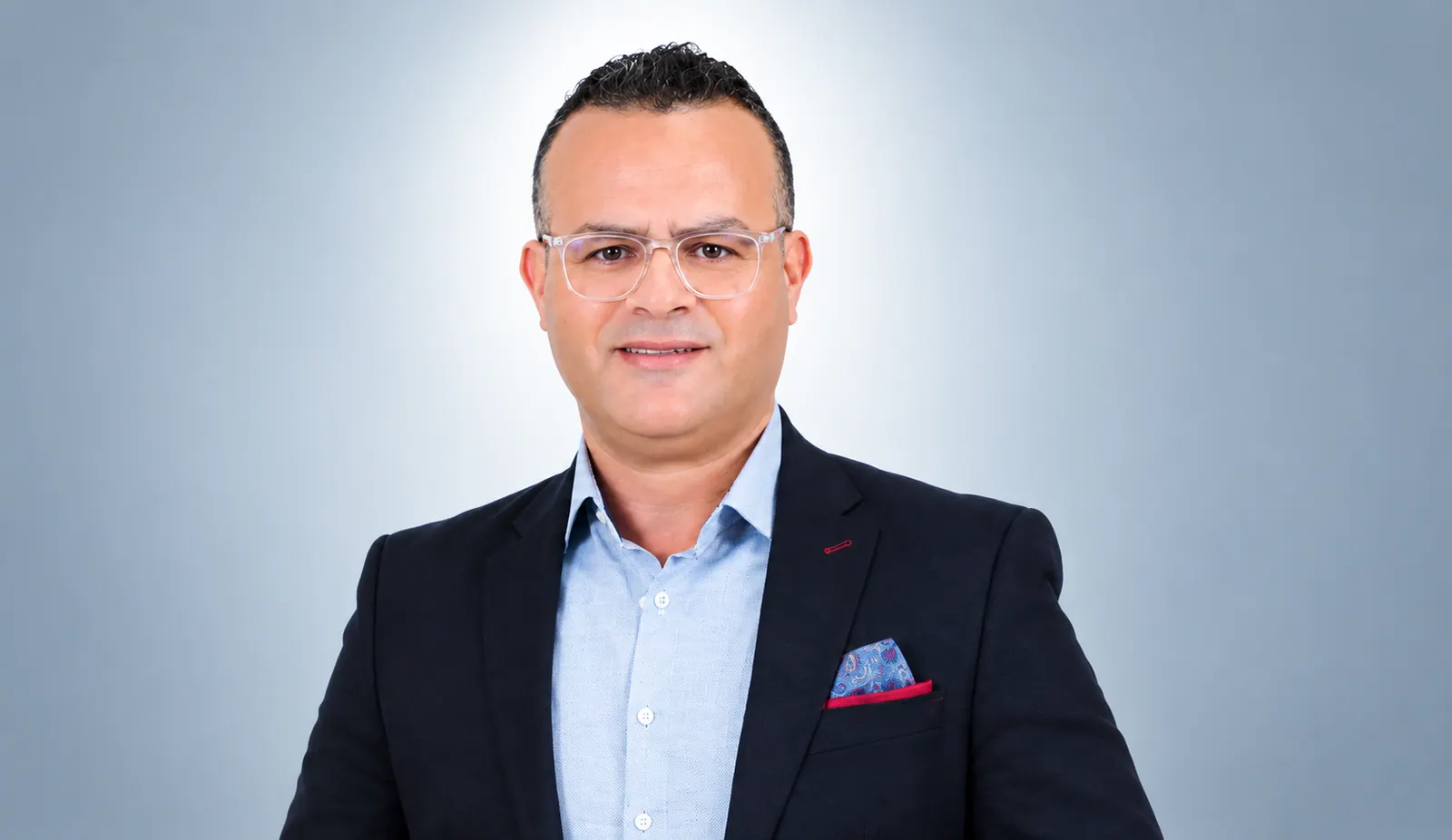
Morocco's economy is expected to grow at a rate of 4.9% in 2025 and 4.2% in 2026, according to the World Bank. While this growth is promising, experts are questioning whether it represents a sustainable shift in the country's economic trajectory. Hassan Edman, an economist, notes that the growth is largely driven by two factors: a rebound in agriculture after several years of drought and an acceleration in public investment linked to major sports projects.
The growth is also vulnerable to external shocks, such as the impact of tensions in the Middle East on energy prices. The World Bank estimates that this shock has reduced the country's growth forecast for 2026 by nearly 0.8 points. Edman argues that this vulnerability is a sign that the economy's structural drivers are not yet sufficiently consolidated. He emphasizes that the real test will come after 2030, when the sports projects are completed and the country faces new challenges.
Edman believes that Morocco can achieve growth rates of 5% or higher, but this will require deep transformations in the social, institutional, and governance spheres. He stresses that the country needs to convert the investment momentum linked to the 2030 horizon into sustainable mechanisms that can drive domestic demand, private investment, employment, and productivity. This will require a shift towards a more endogenous, inclusive, and viable growth trajectory.
One of the main challenges facing Morocco is the size and structure of its productive tissue. The informal sector accounts for nearly 60% of transactions in certain sectors, such as proximity commerce, and 72.2% of business creations rely on self-financing. Edman argues that this structure limits the country's ability to achieve economies of scale, invest in technology, and access classical bank financing.
Another major challenge is the financing of enterprises and private investment. Public sector investment still accounts for 66% of total investment, while private sector investment accounts for only a third. Edman believes that this imbalance is a direct brake on growth dynamics and that the country needs to rebalance the investment mix to favor private sector investment.
The investment climate in Morocco is also hampered by obstacles such as limited access to financing for small and medium-sized enterprises, regulatory and administrative constraints, and a lack of competition. Edman argues that the framework for public-private partnerships needs to be strengthened, and that the law on public-private partnerships needs to be improved to address the complexities of large projects.
Edman emphasizes that the goal is not to reduce the role of the state, but to create an environment that allows private sector investment to flourish. He believes that this will require a sustained effort to improve the business climate, strengthen institutions, and develop human capital. The country's ability to achieve a growth rate of 5% or higher will depend on its ability to address these challenges and create a more robust and sustainable growth trajectory.
Key points
- Morocco's economic growth is expected to reach 4.9% in 2025 and 4.2% in 2026, but the real challenge is maintaining this momentum in the long term.
- The country's growth is vulnerable to external shocks, and experts argue that the economy's structural drivers are not yet sufficiently consolidated.
- To achieve a growth rate of 5% or higher, Morocco will need to address challenges such as the size and structure of its productive tissue, financing of enterprises, and private investment.