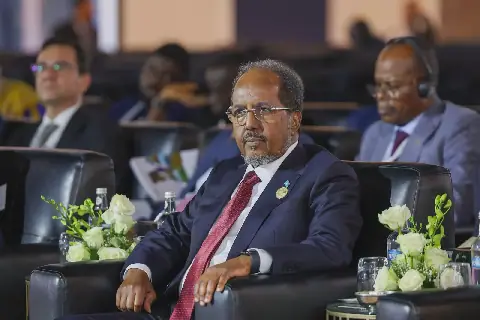
Moroccan economist Abd al-Razzaq al-Hiri has emphasized that one of the major challenges facing the next government is addressing regional disparities. He stressed that development cannot be measured solely by national growth and investment indicators, as not all regions and citizens benefit equally from these developments. Al-Hiri's comments come as Morocco prepares for a new government, and he is advocating for a shift in approach to address these disparities.
Al-Hiri noted that the true measure of success for public policies lies in their ability to reduce territorial inequalities and improve citizens' living standards. He argued that addressing these imbalances requires moving away from allocating budgets and projects based on distribution, and towards measuring results and impact at the territorial level. This approach would prioritize areas with greater needs and link responsibility to accountability and measuring the outcomes of development programs.
The economist proposed creating a national map of territorial disparities to identify areas with significant deficits in healthcare, education, water, transportation, digital connectivity, and employment. This map would be used to prioritize public investment and allocate a portion of funding based on the level of deficit and results achieved. Al-Hiri also suggested establishing a national minimum standard for basic services, ensuring citizens have reasonable access to schools, healthcare centers, transportation, administrative services, and digital services.
Al-Hiri emphasized the need for more robust territorial incentives to encourage private investment in areas with weak investment and high unemployment. He suggested linking public support to the creation of sustainable jobs and developing economic activity zones near medium-sized cities, improving connectivity to roads, internet, and logistical services. This approach aims to stimulate economic growth and job creation in underdeveloped regions.
The economist also called for the publication of annual indicators to measure progress in reducing territorial disparities and holding officials accountable for results. He stressed that citizens should have equal opportunities and access to education, healthcare, employment, and improved living standards, regardless of their location. Al-Hiri's proposals aim to promote more balanced and inclusive development in Morocco.
Al-Hiri's comments reflect concerns about regional disparities in Morocco, which have been highlighted in various reports and studies. The country's southern regions, in particular, have faced significant development challenges. The new government's approach to addressing these disparities will be crucial in promoting more balanced and inclusive growth.
The implementation of Al-Hiri's proposals will require significant efforts from the government, including changes to budget allocation and project implementation. However, his suggestions offer a potential roadmap for addressing regional disparities and promoting more inclusive development in Morocco. The success of these efforts will depend on the government's commitment to measuring results and holding officials accountable.
Key points
- Moroccan economist Abd al-Razzaq al-Hiri calls for a shift in budget allocation and project implementation to address regional disparities.
- Al-Hiri proposes creating a national map of territorial disparities to prioritize public investment.
- The economist emphasizes the need for more robust territorial incentives to encourage private investment in underdeveloped regions.