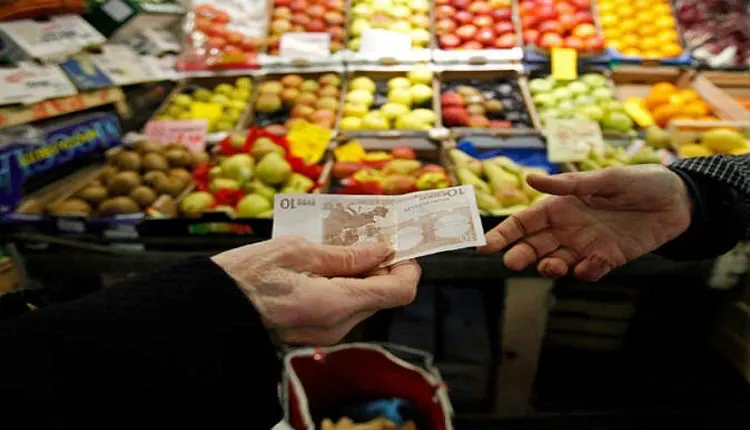
Moroccan economist Abd al-Razzaq al-Hiri stated that the recent decline in inflation rates does not necessarily signify the end of the purchasing power crisis in Morocco. He emphasized that households do not react to inflation rates, but rather to the level of prices that have been accumulating over the past few years. Al-Hiri's comments come as Morocco's economy continues to navigate the challenges of high living costs.
According to al-Hiri, the real challenge now is not just controlling inflation but also restoring households' real income and strengthening their ability to cope with the cost of living. This is particularly important given the fluctuations in the dirham's exchange rate and global developments in energy and raw material prices. Any increase in import costs can be passed on to domestic prices, potentially rekindling inflationary pressures.
Al-Hiri stressed that economic policy should strike a balance between maintaining monetary stability and boosting national production, reducing dependence on imports, and reforming distribution channels. He also highlighted the need to limit the role of unproductive intermediaries in the supply chain. Only then can the decline in inflation be reflected in the prices paid by citizens.
The labor market remains a crucial aspect of the purchasing power equation, al-Hiri noted. While some indicators, such as the unemployment rate, which stood at 9.5% in the second quarter of 2026, have improved, sustainable purchasing power cannot be achieved solely through social transfers. Instead, it requires the creation of productive job opportunities, better wages, and linking public investment to local value-added.
Al-Hiri emphasized that the significant challenge facing the 2027 finance bill is to transition gradually from financing the effects of inflation to addressing its causes. This involves shifting from temporary support for purchasing power to sustainable income generation while maintaining the state's financial balances. The Moroccan economy recorded 4% growth in the second quarter of 2026 and is expected to grow by 5.4% in the third quarter.
However, non-agricultural activities have slowed down, making the quality of growth and its ability to create jobs and income more important than the rate of growth itself. Al-Hiri concluded that a balanced approach is required to protect vulnerable groups, support productive investment, and reform the price and distribution system, ultimately creating jobs that make the benefits of growth more tangible in everyday life.
The economist's comments come as Morocco's government prepares for the upcoming finance bill. The government's priorities will likely focus on addressing the purchasing power crisis and promoting sustainable economic growth. Key to this will be the creation of productive job opportunities and the implementation of policies that support households and businesses.
Key points
- Moroccan economist Abd al-Razzaq al-Hiri emphasizes that declining inflation does not necessarily mean an end to the purchasing power crisis.
- Al-Hiri stresses the need for a balanced economic policy that supports national production, reduces dependence on imports, and reforms distribution channels.
- The creation of productive job opportunities and better wages is crucial to achieving sustainable purchasing power in Morocco.