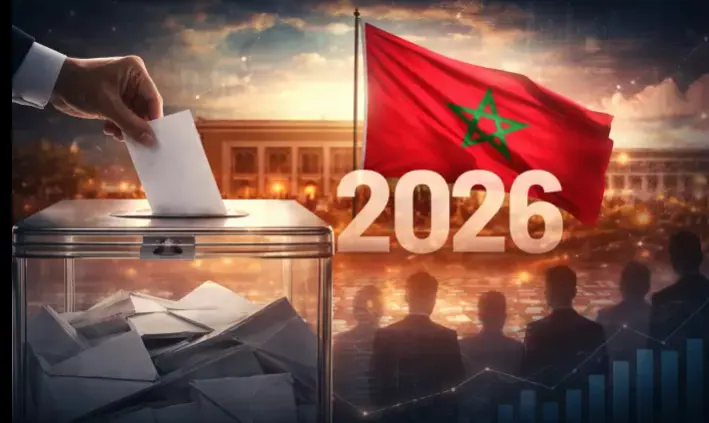
Morocco's constitution grants its diaspora community full citizenship rights, including the right to vote and run in elections. Article 17 of the 2011 constitution ensures that Moroccans living abroad enjoy full citizenship rights, including the right to participate in elections. The Constitutional Court has reaffirmed this right, emphasizing the need for effective participation in voting and candidacy. However, implementing this right has been challenging, particularly regarding direct and representative participation in parliamentary elections.
The debate surrounding Morocco's diaspora has long been dominated by economic considerations, focusing on remittances and investments. However, in recent years, the diaspora community has expressed a desire to be more involved in the country's politics and decision-making processes. A study by the Moroccan Community Council Abroad highlighted the need for greater political participation and representation. In 2025, the council organized a meeting on political work, diversity, and social issues, which included Moroccan-born politicians and officials from Europe.
The 2026 elections have brought the issue of diaspora participation to the forefront of party programs. While some parties focus on economic aspects, others prioritize political participation and representation. The Istiqlal Party has linked the issue of Moroccans abroad to investment and representation, proposing greater involvement in regional economic governance. The Justice and Development Party has included political and institutional participation in its program, while the Progress and Socialism Party advocates for legislative representation and voting in countries of residence.
Despite the existence of ideas and proposals, the challenge lies in translating them into concrete actions. The topic of diaspora participation has been present in party debates for years but has not yet led to a stable institutional model. The upcoming elections raise questions about whether the issue will remain a seasonal topic in party programs or become a clear public policy. A new generation of Moroccans abroad has emerged, with many involved in politics in their countries of residence and holding elected positions.
The experience of Moroccan-born politicians and officials abroad can be a valuable asset for the country's politics. These individuals have acquired expertise in local governance, institutional dialogue, and public policy-making. Their participation can bring new perspectives and experiences to Morocco's politics. The Moroccan Community Council Abroad has been working to promote the participation of Moroccans abroad in the country's development.
To move forward, Morocco needs to transition from a seasonal relationship with its diaspora to a more institutionalized one. This requires creating clear channels for participation, consultation, and representation, while leveraging the experiences and expertise of Moroccans abroad. The country's politics must become more inclusive, allowing Moroccans abroad to contribute to decision-making processes.
As Morocco approaches the 2026 elections, the issue of diaspora participation is becoming increasingly important. The country's parties have presented different visions for engaging with Moroccans abroad, ranging from economic focus to political participation. Ultimately, the goal is to create a more inclusive and representative politics that values the contributions of all Moroccans, regardless of their place of residence.
Key points
- Morocco's diaspora community demands greater political participation and representation in national affairs.
- The country's constitution grants Moroccans abroad full citizenship rights, including the right to vote and run in elections.
- Implementing diaspora participation in elections and politics remains a significant challenge.