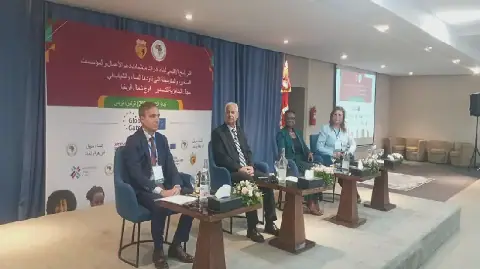
The Moroccan National Federation of Consumer Associations (FNAC) has submitted a 10-point memorandum to the government, focusing on price transparency, purchasing power protection, and regulation of essential sectors. The move aims to address growing concerns about the cost of living in Morocco. The FNAC's initiative comes as the country prepares for upcoming elections, with many citizens worried about the economic challenges they face. Consumer associations are pushing for changes to ensure fair pricing practices.
The memorandum addresses several key issues, including the need for clearer pricing structures and more effective regulation of essential sectors such as food and energy. Consumer groups argue that greater transparency is essential to prevent price manipulation and ensure that citizens have access to affordable goods and services. The FNAC's demands reflect widespread concerns about the impact of economic policies on ordinary Moroccans. Many citizens feel that their purchasing power has been eroded in recent years.
Morocco has experienced significant economic challenges in recent years, including fluctuations in global commodity prices and a decline in purchasing power. The government has faced criticism for its handling of economic issues, with many citizens calling for more effective measures to address their concerns. The FNAC's memorandum is part of a broader effort to push for policy changes that prioritize consumer interests. Consumer associations are seeking to engage with policymakers and other stakeholders to achieve their goals.
The FNAC's initiative has garnered support from various stakeholders, including civil society organizations and advocacy groups. These organizations argue that greater price transparency is essential for promoting fair competition and protecting consumer rights. They also emphasize the need for more effective regulation of essential sectors to prevent monopolies and ensure that citizens have access to affordable goods and services. The issue has sparked a national debate about the need for economic reform.
The Moroccan government has faced pressure to address economic concerns in the run-up to the elections. The FNAC's memorandum is part of a broader effort to push for policy changes that prioritize consumer interests. Consumer associations are seeking to engage with policymakers and other stakeholders to achieve their goals. The government is expected to respond to the FNAC's demands in the coming weeks, with many citizens eagerly awaiting concrete actions to address their economic concerns.
The issue of price transparency has significant implications for Moroccan consumers, who have faced rising costs of living in recent years. The FNAC's initiative aims to address these concerns by promoting fair pricing practices and greater transparency in essential sectors. Consumer associations are working to build a coalition of stakeholders to support their demands and push for policy changes. The outcome of this initiative will likely have a significant impact on the country's economic policies.
The FNAC's memorandum is a key development in the ongoing debate about economic reform in Morocco. Consumer associations will continue to push for policy changes that prioritize their interests and promote greater transparency and accountability in the economy. The government's response to the FNAC's demands will be closely watched by citizens and stakeholders, who are eager to see concrete actions to address their economic concerns.
Key points
- The Moroccan National Federation of Consumer Associations (FNAC) has submitted a 10-point memorandum to the government, focusing on price transparency, purchasing power protection, and regulation of essential sectors.