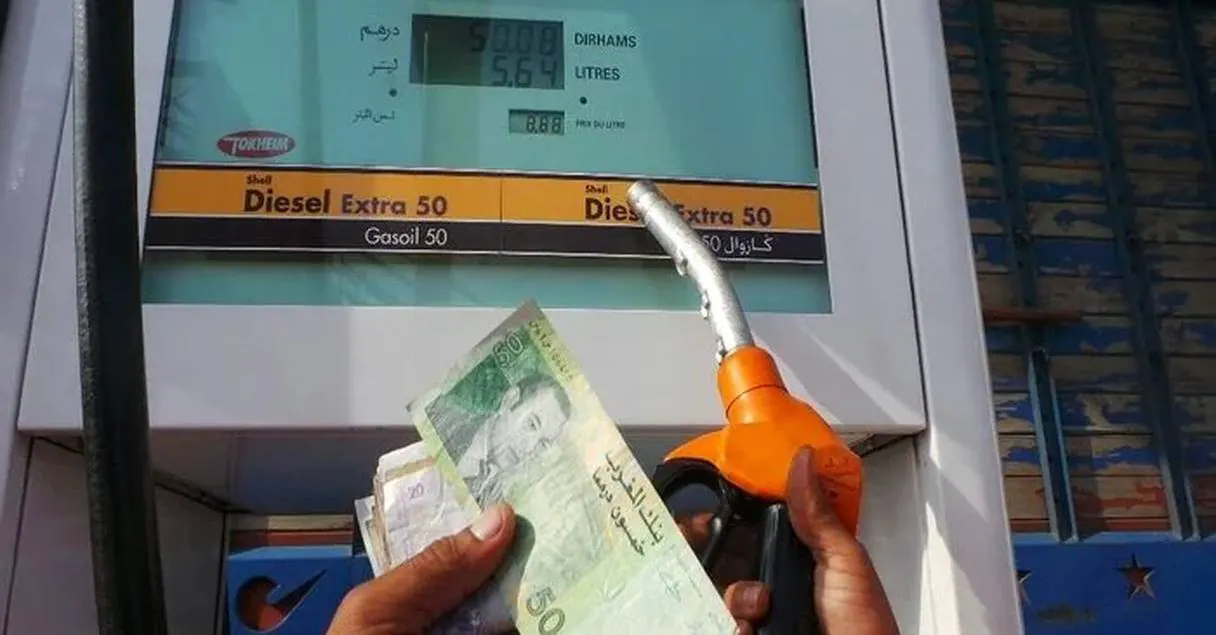
A Moroccan citizen initiative committee has resumed collecting signatures for a national petition to cap fuel prices, after halting the process during the legislative elections. The committee's move comes as global oil prices experience significant fluctuations, with Brent crude reaching around $105 per barrel on Thursday, October 8, 2026. This increase is attributed to concerns over oil supplies from the Middle East and rising attacks on shipping in the Gulf and Strait of Hormuz.
According to the US Energy Information Administration, the average price of Brent crude in September was around $114 per barrel, a $23 increase from August. This surge is linked to disruptions caused by attacks on oil facilities and tankers in the Middle East. The committee believes that the recent fuel price hikes and their direct and indirect effects on purchasing power, transportation costs, and prices of various goods and services will further burden Moroccan households.
The committee had initially stopped collecting signatures during the elections to maintain the initiative's independence and avoid any potential political bias. With the process now resumed, the goal is to complete the petition and submit it to the next government. The committee is urging citizens, civil society groups, and various stakeholders to participate in collecting signatures and supporting the initiative.
The petition aims to pressure the government to establish a cap on fuel prices, which have been rising steadily. The committee argues that this measure would help alleviate the financial burden on Moroccan families and protect them from the volatility of global oil markets. The initiative has gained significant attention in Morocco, with many citizens expressing concerns about the impact of fuel price hikes on their daily lives.
The current government has not made an official statement on the petition or its stance on fuel price caps. However, the committee remains determined to push forward with the initiative, which has sparked a national debate on the need for measures to mitigate the effects of global market fluctuations on the Moroccan economy.
Morocco's fuel prices have been subject to fluctuations in recent years, influenced by global market trends and geopolitical events. The country's economy is heavily reliant on imported oil, making it vulnerable to changes in global prices. The committee's initiative has highlighted the need for the government to develop strategies to shield the economy and citizens from the impact of these fluctuations.
The committee's efforts to collect signatures and build support for the petition are ongoing, with many Moroccans expressing their concerns about the rising cost of living. The initiative's success will depend on the level of public support and the government's response to the growing demand for measures to address the issue of fuel price volatility.
Key points
- The Moroccan committee's petition to cap fuel prices aims to alleviate the financial burden on households.
- Global oil prices have surged due to concerns over Middle East supplies and shipping attacks.
- The committee's initiative seeks to prompt the government to take action against fuel price volatility.