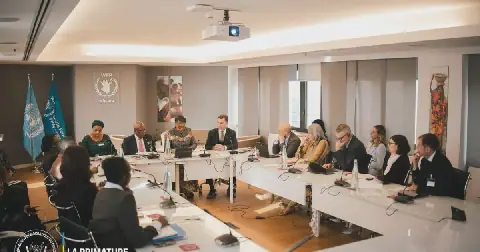
Moroccan civil society organizations are urging authorities to take administrative, legal, and social measures to address the challenges faced by children and youth in precarious situations, particularly those who have grown up in social care institutions or lack family stability and housing. These measures aim to ensure they obtain necessary administrative documents, facilitating their integration into society, education, training, and the job market.
Many children and youth, especially those who have left social care institutions after reaching adulthood, face multiple challenges related to housing, employment, and completing administrative documents due to limited financial resources and inadequate social support during the transition to independent life. The absence of administrative documents or difficulties in renewing them exacerbate their vulnerability.
Civil society organizations have highlighted the need to review administrative procedures for proving residence, allowing for more flexible mechanisms that consider the social circumstances of individuals without stable housing or formal rental agreements. They propose adopting flexible administrative mechanisms that enable the use of a correspondence address for administrative communication.
The organizations also recommend revising the regulatory framework for electronic national identification cards to find suitable solutions for groups facing objective difficulties in proving their residence while maintaining legal controls related to identity verification and data accuracy. They stress that addressing these issues requires coordination between government departments, public institutions, local authorities, and associations working in child protection and social inclusion.
Civil society organizations emphasize the importance of establishing aftercare programs for young people leaving social care institutions, including assistance with obtaining administrative documents, accessing housing, vocational training, and employment opportunities. They argue that protecting vulnerable children and youth should not stop at providing care during childhood but should extend to ensuring a safe transition to social and economic independence.
The organizations consider that the right to identity and access to basic services is essential for social inclusion. They call for the development of public policies that prevent social vulnerability from turning into administrative exclusion and provide all children and youth with equal opportunities to build their futures and integrate into public life.
Key stakeholders stress that addressing the challenges faced by vulnerable children and youth requires a comprehensive approach that includes legislative, administrative, and social measures to ensure their integration into society and provide them with equal opportunities for a better future.
Key points
- Moroccan civil society organizations are calling for measures to address the challenges faced by children and youth in precarious situations.
- The organizations propose adopting flexible administrative mechanisms to facilitate access to administrative documents for vulnerable groups.
- They emphasize the importance of establishing aftercare programs for young people leaving social care institutions.
Reporting sources
- أطفال الرعاية الاجتماعية.. من حضن المؤسسات إلى الإقصاء الإداري والمجتمعي · Al Ahdath Al Maghribia