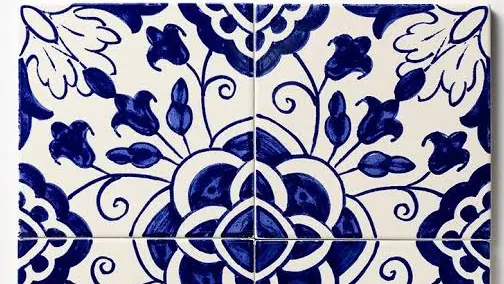
Moroccan ceramic art has a long and storied history, with zellige and alicatado being two of its most iconic forms. These art forms have been an integral part of Moroccan culture for centuries, with their origins dating back to a time when the country's artisans were heavily influenced by various cultures. The zellige and alicatado techniques have been used to create stunning works of art that adorn buildings, mosques, and palaces across Morocco.
The zellige and alicatado art forms were once part of a shared world of exchanges, where artisans from different regions would share techniques and ideas. However, over time, the origins of these art forms have become somewhat obscured. Despite this, Moroccan artisans continue to preserve and pass down these traditional techniques to future generations. The zellige, in particular, is known for its intricate geometric patterns, while the alicatado is characterized by its use of colorful tiles.
According to Houda BELABD, a writer for L'Opinion, the history of zellige and alicatado is worth exploring. In her article, "Rétro-Verso: Zellige et alicatado, une histoire en éclats de céramique," she delves into the rich history of these art forms and how they have evolved over time. The article provides a retrospective look at the origins of zellige and alicatado, highlighting their significance in Moroccan culture.
The zellige and alicatado art forms have been influenced by various cultures, including Islamic and Arab cultures. The use of geometric patterns and colorful tiles is a hallmark of Islamic art, and Moroccan artisans have incorporated these elements into their work. The alicatado, in particular, is believed to have originated from the Arabic word "al-qati," meaning "cut," which refers to the technique of cutting tiles into intricate shapes.
Moroccan artisans have played a significant role in preserving and promoting the zellige and alicatado art forms. These artisans have spent years mastering the techniques involved in creating these intricate works of art. The zellige, for example, requires the artisan to cut and arrange small tiles into intricate patterns, while the alicatado involves cutting tiles into shapes and arranging them into larger designs.
The zellige and alicatado art forms continue to be celebrated in Morocco, with many artisans working to preserve and promote these traditional techniques. In recent years, there has been a resurgence of interest in these art forms, with many young artisans seeking to learn from their elders. This has helped to ensure the continuation of these traditional art forms, which are an integral part of Moroccan culture.
The significance of zellige and alicatado in Moroccan culture cannot be overstated. These art forms have been used to adorn buildings, mosques, and palaces across the country, and continue to be celebrated today. As Moroccan artisans continue to work to preserve and promote these traditional techniques, it is clear that the history and beauty of zellige and alicatado will endure for generations to come.
Key points
- The zellige and alicatado art forms have a rich history in Morocco, with origins tracing back to a shared world of exchanges.
- Moroccan artisans have played a significant role in preserving and promoting the zellige and alicatado art forms.
- The zellige and alicatado continue to be celebrated in Morocco, with many artisans working to preserve and promote these traditional techniques.