Morocco's centrist Authenticity and Modernity Party (PAM) has agreed to form a coalition government with three other parties. The four parties, which include moderate socialist parties and the nationalist Istiqlal, together hold 207 seats in parliament, above the 198 needed for a majority. This development comes after PAM topped last month's parliamentary election vote. The coalition said in a joint statement that they will next propose a cabinet lineup.
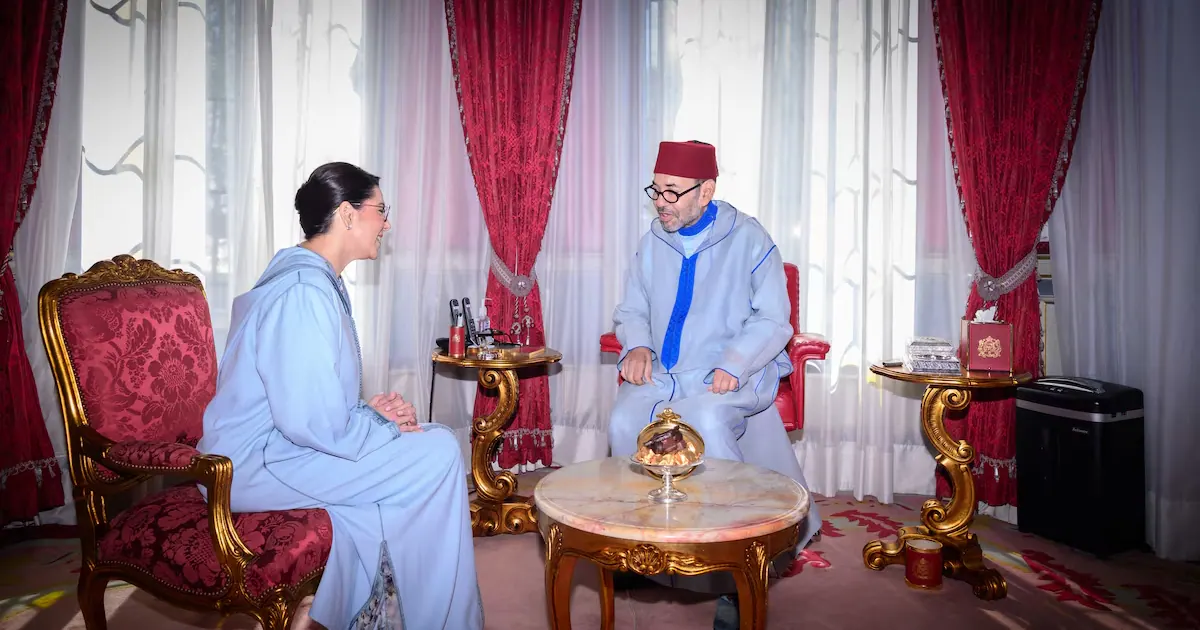
The deal "produces a strong political government, made up of components marked by ideological and political proximity, united in, and committed to, a shared reformist vision," the coalition said. Morocco's King Mohammed VI had appointed PAM leader Fatima Ezzahra El Mansouri as the country's first woman to act as head of government and tasked her with forming a cabinet. El Mansouri was appointed after PAM finished first in the September 23 vote.
PAM was founded in 2008 by an adviser to the king and has positioned itself as a counterweight to the Islamist Justice and Development Party, advocating social modernisation. The party's rise is seen as a significant development in Moroccan politics. The new government will oversee the final stages of a $20-billion push to prepare for the 2030 World Cup, which Morocco will co-host with Portugal and Spain.
The new government will face pressure to address youth grievances over jobs, education, and health services, which fuelled the Gen Z protests last year and the Ceuta migration crisis in July. The government will need to address these issues while also navigating Morocco's complex politics. The king retains sweeping powers over foreign policy, defence, and other key portfolios.
The vote, however, is not expected to change policy direction in Morocco, a constitutional monarchy. The king's powers ensure that the government remains accountable to the monarch. The appointment of El Mansouri as head of government is seen as a significant step towards greater representation for women in Moroccan politics.
El Mansouri has vowed to meet citizens' expectations and has promised to work towards creating a more inclusive and equitable society. Her appointment has been welcomed by many as a positive step towards greater representation for women in politics. The coalition government's formation is seen as a significant development in Moroccan politics.
The new government's priorities will include addressing youth grievances, preparing for the 2030 World Cup, and promoting social modernisation. The government's success will depend on its ability to navigate Morocco's complex politics and address the country's pressing issues.
Key points
- Morocco's centrist Authenticity and Modernity Party (PAM) forms coalition government with three other parties.
- The coalition government will oversee the final stages of a $20-billion push to prepare for the 2030 World Cup.
- The government will face pressure to address youth grievances over jobs, education, and health services.