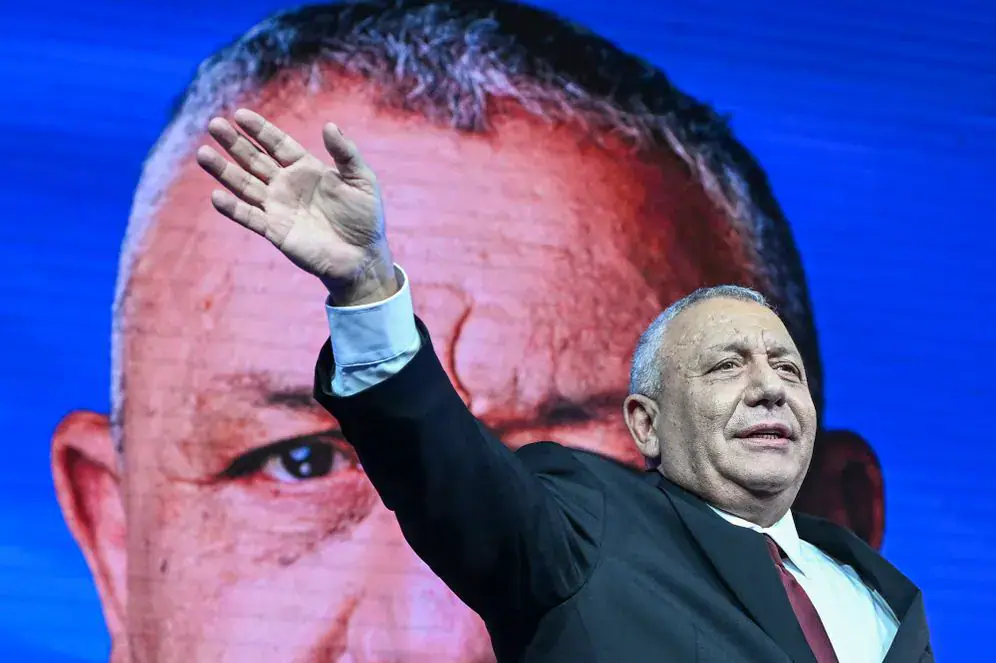
Gadi Eisenkot, a 66-year-old former general and chief of staff of the Israeli army, has been tasked with forming Israel's next government. He secured 48 seats in the October 27 elections, beating out incumbent Prime Minister Benjamin Netanyahu, who won 53 seats. However, Eisenkot will need to form alliances to secure a majority in the 120-seat Knesset. The Arab Joint List and United List, which won 19 seats, have pledged their support for Eisenkot, bringing his total to 67 seats.
Eisenkot's calm and reserved demeanor is seen as a strength by some voters who are tired of Netanyahu's divisive rhetoric. Unlike Netanyahu, who is fluent in English and has a charismatic personality, Eisenkot's low-key approach is viewed as a refreshing change. His military background is evident in his concise and specific policy statements. Eisenkot has promised to unify Israelis after Netanyahu's tenure, which has exacerbated divisions and empowered far-right supporters.
During his election campaign, Eisenkot vowed to improve Israel's international image, which has been tarnished by three years of conflict in Gaza and violence in the West Bank. He has also pledged to take action against Israeli settlers in the West Bank who have attacked Palestinians with impunity. Eisenkot described these incidents as "Jewish terrorism" facilitated by Netanyahu's government. However, he is not a peace advocate and has ruled out the establishment of a Palestinian state.
Eisenkot's military record has raised concerns among some critics. During the 2006 Lebanon War, he implemented the "Dahiya doctrine," which involved using disproportionate force against civilian infrastructure in areas where militants were present. This approach has been criticized for causing widespread destruction and potentially constituting war crimes. In Gaza, Israel's military has again employed this doctrine, resulting in significant damage to the territory.
Eisenkot's personal story has resonated with many Israelis. He lost his son Gal and two nephews in combat during the Gaza war, which earned him widespread sympathy. His background as a Sabra Jew, born to Moroccan Jewish parents, could also work in his favor. If elected, he would be the first prime minister from the Sephardic community, which has historically been marginalized in Israeli politics.
Eisenkot has sought to capitalize on his underdog status, positioning himself as an outsider who can challenge the entrenched elite. His campaign has highlighted the need for change and promised to protect the independence of the judiciary, the rule of law, and minority rights. He has also vowed to limit exemptions from military service for ultra-Orthodox Jews and Arab citizens.
As Eisenkot begins to form his government, he faces significant challenges. He must navigate the complex web of alliances and rivalries within the Israeli political landscape. His ability to deliver on his campaign promises will depend on his ability to build coalitions and negotiate with different factions. One key point is that Eisenkot's government may prioritize a more measured approach to security, potentially leading to a decrease in tensions with Palestinians. Another key point is that his leadership could mark a shift towards greater inclusivity and representation for marginalized communities in Israel. A third key point is that Eisenkot's relationship with the United States and other international partners will be closely watched, particularly in light of his commitment to improving Israel's international image.
Key points
- Eisenkot's calm and reserved demeanor is seen as a strength by some voters.
- He has pledged to improve Israel's international image and take action against Israeli settlers who have attacked Palestinians.
- Eisenkot's government may prioritize a more measured approach to security, potentially leading to a decrease in tensions with Palestinians.