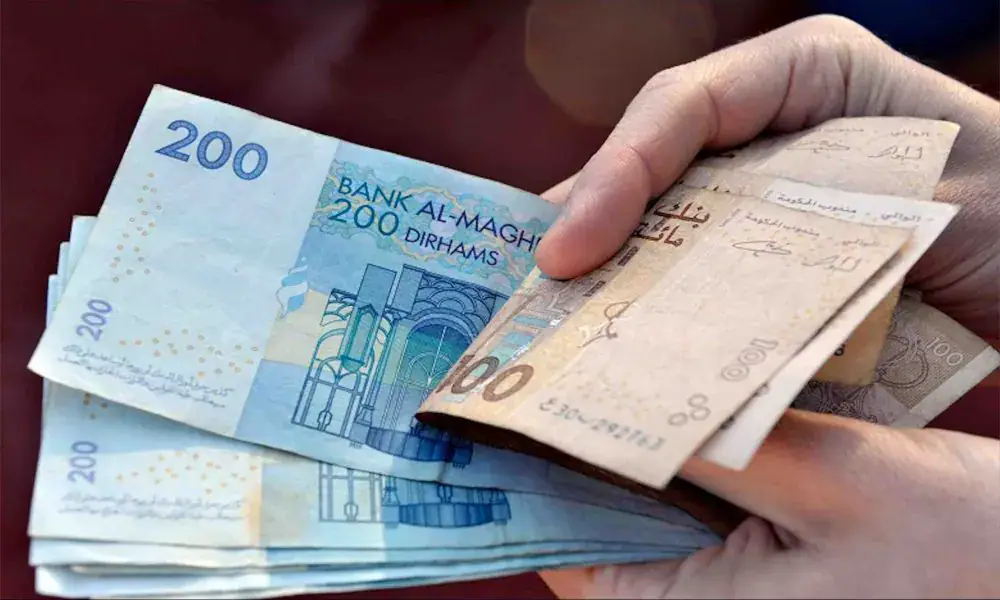
According to Bank Al-Maghrib (BAM), the central bank of Morocco, bank deposits stood at 1.4487 trillion dirhams at the end of September 2026. This represents a 10.3% annual increase. The growth in deposits is a significant indicator of the country's economic stability. BAM's recent report on "Crédits-Dépôts bancaires" provides insights into the country's banking sector. The report highlights the trends in deposits and credits.
The deposits of households recorded a 9.4% year-on-year increase to 1.0494 trillion dirhams. Out of this amount, 239.8 billion dirhams were held by Moroccan residents living abroad (MRE). This growth in household deposits is a positive sign for the country's economy. It indicates that people have more confidence in the banking system. The increase in deposits from MREs also suggests that they are actively investing in their home country.
Deposits from private non-financial enterprises reached 264.4 billion dirhams, representing a 13.2% annual increase. This significant growth in corporate deposits may indicate that businesses are accumulating funds for future investments or debt repayment. The increase in corporate deposits can also be seen as a sign of economic growth. As businesses expand, they require more funds to finance their operations.
The interest rates on term deposits have shown mixed trends. The rate on 6-month term deposits increased by 6 basis points to 2.21%. In contrast, the rate on 12-month term deposits decreased by 9 basis points to 2.56%. These changes in interest rates may influence depositors' decisions on where to place their funds. The rates are also indicative of the overall monetary policy in the country.
The minimum interest rate on savings accounts was set at 1.82% for the second half of 2026. This represents a 21 basis point increase from the previous semester. The change in the interest rate on savings accounts may encourage or discourage people from saving. A higher interest rate can incentivize people to deposit their money in banks.
The growth in bank deposits can be attributed to various factors, including economic stability and confidence in the banking system. A stable economy with low inflation and a favorable business environment can encourage people to save and invest. The banking sector plays a crucial role in facilitating economic growth by providing financing to businesses and individuals.
The Moroccan banking sector continues to show resilience, with deposits and credits growing steadily. According to BAM, the credit sector also showed positive trends. The central bank's policies and regulations have contributed to the stability of the banking sector. The growth in deposits and credits is expected to have a positive impact on the overall economy.
Key points
- Moroccan bank deposits reached 1.4487 trillion dirhams at the end of September 2026.
- Household deposits grew by 9.4% year-on-year to 1.0494 trillion dirhams.
- Corporate deposits from private non-financial enterprises increased by 13.2% to 264.4 billion dirhams.