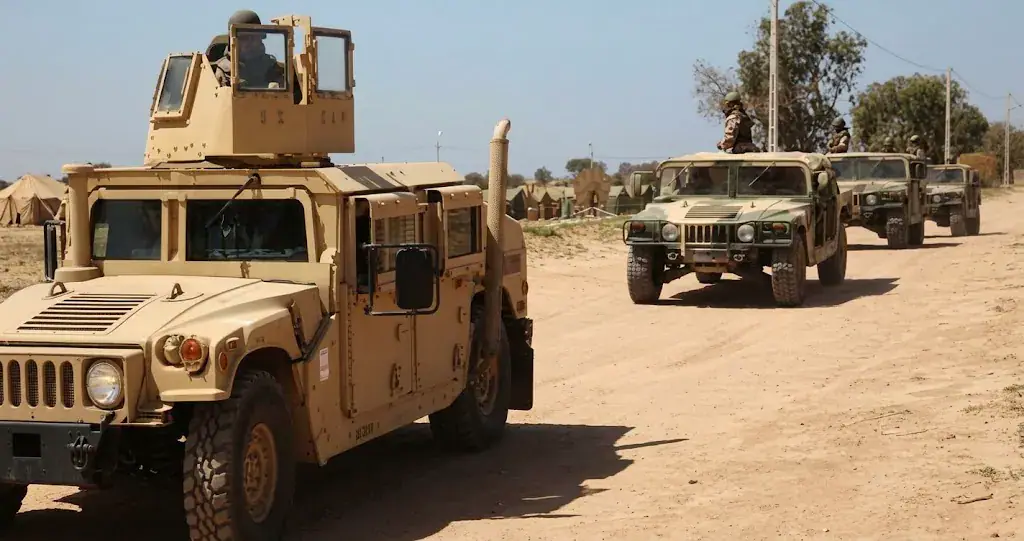
Moroccan activists and journalists are urging citizens to exercise responsibility when using social media, specifically by refraining from filming and publishing videos that document the movements of military vehicles and equipment belonging to the Royal Armed Forces. This appeal comes amid increased online circulation of footage showing the transportation of military equipment, coinciding with recent developments in the Western Sahara issue at the United Nations Security Council. The goal is to prevent potential security risks associated with sharing such content.
Journalist Mohamed Waamusi has spoken out against citizens who deliberately track and film military convoys, questioning their awareness of the sensitivity of their actions and the potential consequences for national security and the safety of Royal Armed Forces personnel. Waamusi emphasized that military movements and equipment transportation should not become a source of entertainment or digital content creation, stressing that military equipment is not a subject for amusement or online engagement.
Waamusi called on citizens not to film or publish pictures and videos of military movements, and to avoid sharing content posted by others to prevent the spread of potentially sensitive information that could be exploited to harm Morocco's security interests. This appeal highlights the importance of digital responsibility, particularly when dealing with military institutions and their movements, where restraint in publishing becomes a responsible behavior that prioritizes security and soldier safety.
The issue has sparked a broader conversation about the role of social media in Morocco and the need for citizens to be mindful of their online actions. As the country navigates complex security challenges, the authorities are urging citizens to prioritize national security and avoid actions that could compromise it. This includes being cautious about the content they create and share online, particularly when it comes to sensitive topics like military movements.
The Moroccan authorities have not issued an official statement on the matter, but the appeal from activists and journalists reflects a growing concern about the potential risks associated with social media use. By urging citizens to exercise restraint, these voices aim to promote a culture of responsibility and awareness about the potential consequences of online actions.
This debate is taking place against the backdrop of ongoing developments in the Western Sahara issue, which has been a source of tension and controversy in Morocco for decades. The region's complex history and politics have made it a sensitive topic, and the authorities are keen to manage the narrative and prevent any actions that could be perceived as threatening national security.
As Morocco continues to navigate these complex issues, the authorities and citizens alike are emphasizing the importance of responsible behavior and digital literacy. By promoting a culture of awareness and restraint, these efforts aim to mitigate potential security risks and ensure that online actions do not compromise national security or the safety of military personnel.
Key points
- Moroccan activists and journalists are urging citizens to refrain from filming and publishing videos of military movements.
- The appeal aims to prevent potential security risks associated with sharing such content on social media.
- The issue highlights the importance of digital responsibility and awareness about the potential consequences of online actions.