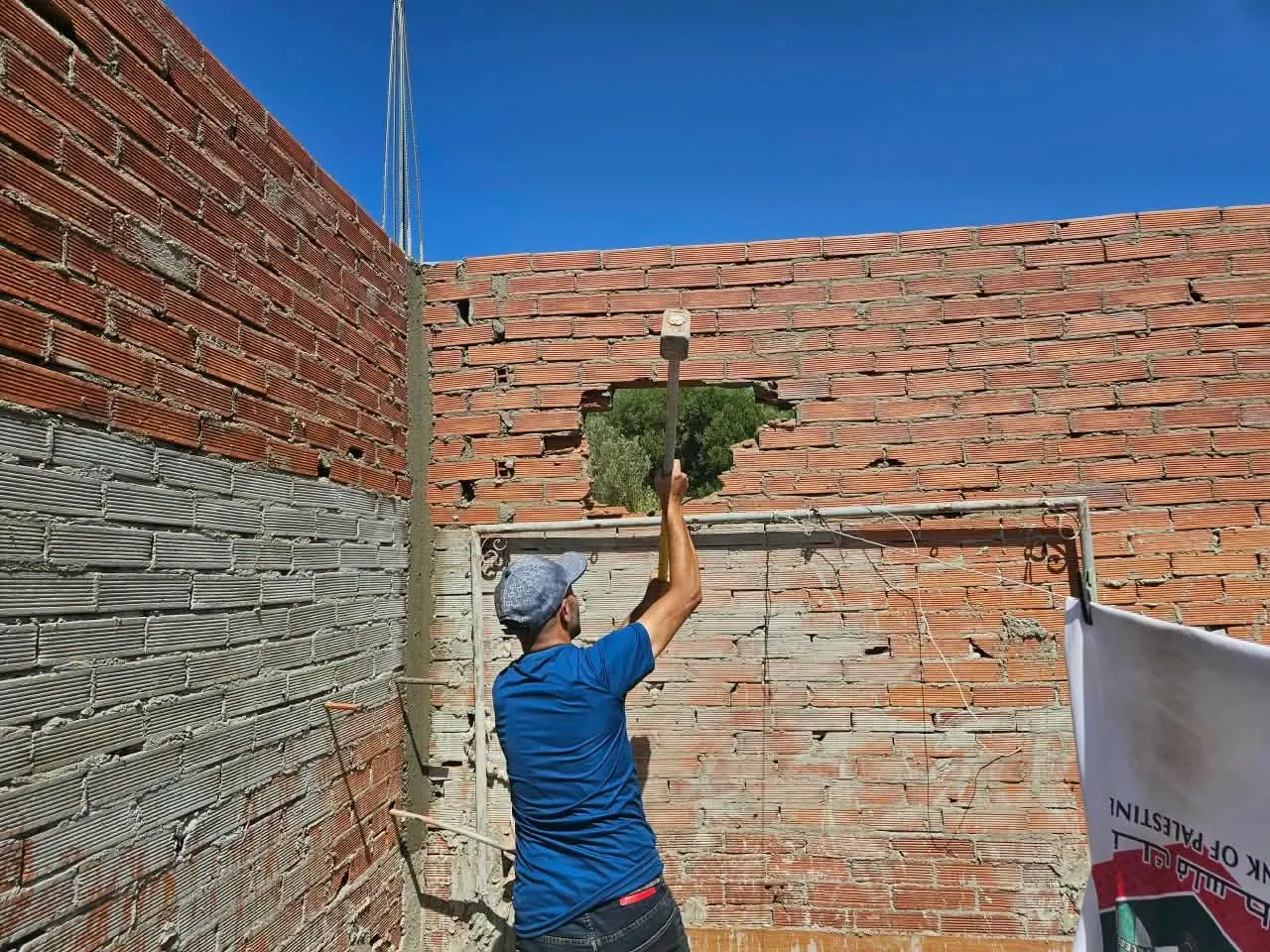
In recent days, authorities in Tangier have initiated a broad campaign aimed at combating unauthorized construction in several areas around the city. The campaign has involved demolition and removal of structures built outside of legal parameters, particularly in the regions of Al-Awama and Al-Hrarash. This move comes as concerns rise about the potential for political exploitation of the issue during the current electoral campaigns.
The timing of the campaign has raised concerns that it may be used as a political tool, with some fearing that parties may capitalize on the demolition efforts as achievements or use the plight of affected families to their advantage. Sources close to the matter have indicated that the situation has brought attention to the status of ancestral lands in areas such as Al-Hrarash and Al-Shajirat, with fears that some of these lands may be exploited for unauthorized construction or speculation.
According to informed sources, the current actions on the ground have revived discussions about the state of ancestral lands, particularly in light of growing real estate speculation and clandestine subdivisions in recent years. The situation has become more sensitive following developments in the Akznaya commune, which involved investigations into real estate and urban planning files. This has underscored the need for scrutiny of property and land status in areas experiencing rapid urban expansion around Tangier.
Observers note that the current campaign against unauthorized construction holds particular significance, with calls for a radical approach to addressing the issue. This includes not only demolishing recently constructed unauthorized structures but also tracing the history of properties on which these structures were built and investigating how lands have transitioned from their original status to urban uses, especially when it concerns communal lands.
Residents in some of these areas are now emphasizing the need for a portion of the communal land reserve to be directed towards projects serving the public interest and contributing to local development. This approach aims to prevent such land assets from becoming fodder for speculation or reserves for unregulated construction projects. There is a warning that continued unauthorized expansion could create an urban reality that will be difficult to correct in the future.
Local entities have previously demanded stricter oversight and the imposition of rigorous controls on construction in these areas to prevent their transformation into unorganized urban agglomerations. The regions in question are part of Tangier's future frontage and constitute key entrances to the city, underscoring the importance of managed development.
As the situation continues to unfold, stakeholders are advocating for a comprehensive strategy that addresses the root causes of unauthorized construction and ensures sustainable urban planning practices. This includes engaging with local communities and addressing their needs while preventing further unauthorized development.
Key points
- The Moroccan authorities' campaign targets unauthorized construction in Tangier's outskirts.
- Concerns exist that the campaign may be politically exploited during current electoral campaigns.
- The situation highlights the need for careful management of ancestral lands and communal property to prevent speculation and unauthorized development.