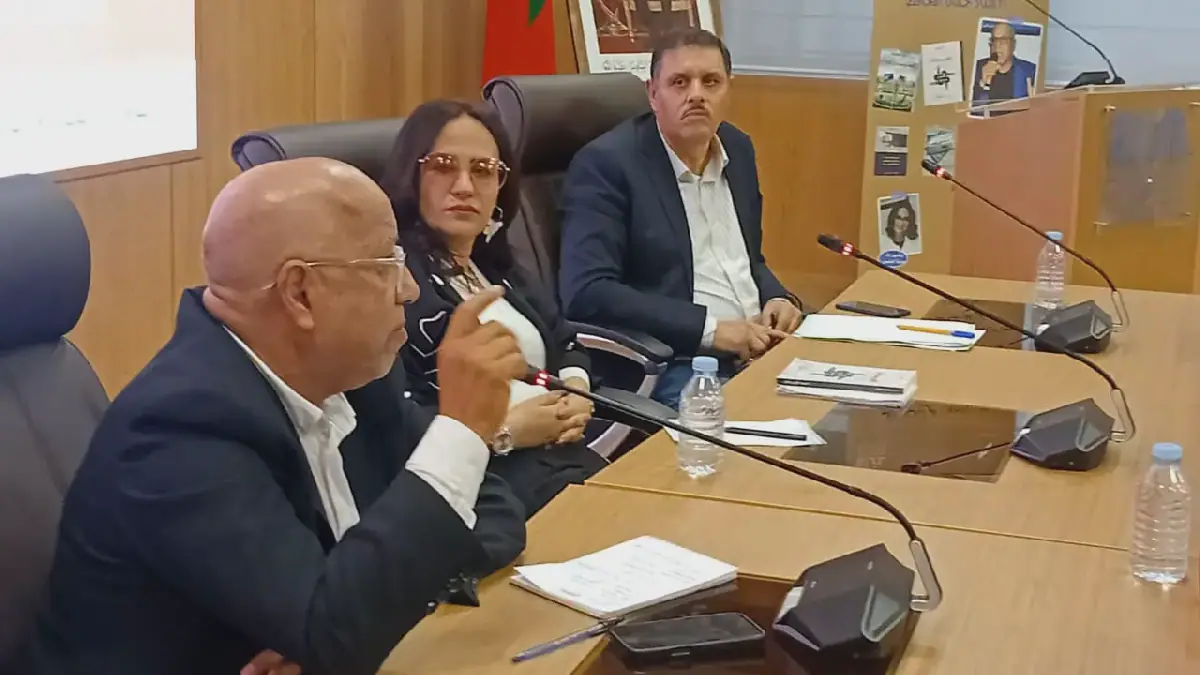
A recent intellectual and media convention in Rabat celebrated the works of Moroccan author and journalist Jamal Mahfouz, organized by the Association of Graduates of Mohammed V Schools and the College of Education at Mohammed V University. The event drew a diverse crowd of academics, cultural figures, human rights activists, and students. Participants praised Mahfouz's contributions to journalism, media, and communication, emphasizing the importance of his work in addressing the challenges posed by modern technologies.
The convention highlighted Mahfouz's extensive experience in journalism and research, as well as his role in promoting media literacy and critical thinking. Abdellatif Kidai, Dean of the College of Education, noted that Mahfouz's work goes beyond journalism, tackling broader societal issues such as politics, culture, and education. Kidai emphasized that Mahfouz's writings encourage readers to think critically about the media and its role in shaping public opinion.
Khadija Shakir, President of the Association of Graduates of Mohammed V Schools, stressed that the event aimed to recognize Mahfouz's achievements and contributions to Moroccan media and journalism. She highlighted the importance of promoting critical thinking and media literacy in today's digital age. Shakir also mentioned that the association's program of events aims to revisit the school's legacy and celebrate the achievements of its alumni.
Idris Jbri, coordinator of the Master's program in Journalism and Media at the University of Sultan Moulay Slimane, analyzed Mahfouz's works, arguing that they reflect his commitment to journalism and his role as a media activist. Jbri highlighted Mahfouz's ability to navigate complex issues and his dedication to promoting critical thinking and media literacy.
Dr. Mounia Mansour, a media researcher, emphasized that Mahfouz's works are characterized by their critical approach to media and communication. She noted that his writings promote a culture of critical thinking and encourage readers to engage with complex issues. Mansour also highlighted Mahfouz's role in promoting media literacy and his commitment to upholding the principles of journalism.
In his response, Mahfouz stressed that the development of media and journalism is closely tied to the social, political, and cultural context in which they operate. He emphasized the need for robust media institutions that can provide citizens with accurate and reliable information, enabling them to engage with various issues and make informed decisions.
Mahfouz concluded that the struggle for better media and journalism is ongoing, and that gains are never definitive. He emphasized the importance of continued efforts to promote critical thinking, media literacy, and a culture of transparency and accountability. The convention provided a platform for participants to engage with Mahfouz's ideas and reflect on the challenges and opportunities facing Moroccan media and journalism.
Key points
- The event highlighted the need for public policies to address modern technological challenges in media and journalism.
- Participants praised Mahfouz's contributions to promoting media literacy and critical thinking.
- The convention emphasized the importance of robust media institutions in promoting democracy and development.