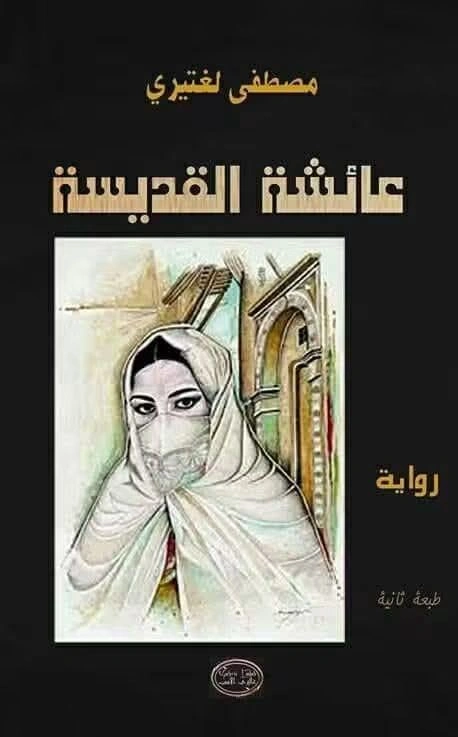
Moroccan author Mustafa Lagtiri's novel "Aisha Al-Qadisa" has sparked interest with its unique take on the legendary figure of Aisha Qandisha. The novel delves into the complexities of myth and history, exploring the blurred lines between reality and fantasy. By re-examining the legend of Aisha Qandisha, Lagtiri invites readers to question their assumptions about the past and the power of storytelling. The novel has been praised for its thought-provoking narrative and its ability to challenge readers' perceptions.
The novel's title, "Aisha Al-Qadisa," is a deliberate departure from the more commonly known "Aisha Qandisha." This change reflects Lagtiri's intention to reframe the narrative and challenge the popular image of Aisha as a fearsome and supernatural figure. By adopting the name "Al-Qadisa," which means "the saint," Lagtiri seeks to humanize Aisha and restore her agency in the face of historical and cultural myth-making. This reinterpretation is central to the novel's exploration of the tensions between myth and reality.
The novel's narrative is structured around a group of friends living in a coastal town in Morocco. Their conversations and debates about Aisha Qandisha serve as a catalyst for exploring the complexities of myth and reality. One of the main characters, Sadiq, a teacher, represents a rational and skeptical perspective, while others are more open to the idea of Aisha's supernatural powers. This dynamic allows Lagtiri to examine the ways in which individuals and communities negotiate the boundaries between myth and reality.
As the novel progresses, the lines between reality and fantasy begin to blur, and the characters are forced to confront their own assumptions and biases. Sadiq's encounter with a mysterious event challenges his rational worldview and forces him to re-examine his understanding of Aisha Qandisha. This narrative twist allows Lagtiri to explore the ways in which myths and legends can be both empowering and limiting, and how they shape our understanding of ourselves and our place in the world.
Lagtiri's novel is also notable for its exploration of the social and cultural context of Morocco. The characters' experiences and perspectives are deeply rooted in Moroccan culture and history, and the novel sheds light on the tensions between tradition and modernity. By examining the ways in which myths and legends are transmitted and adapted across generations, Lagtiri highlights the complex and multifaceted nature of Moroccan identity.
One of the key themes of the novel is the power of language and narrative to shape our understanding of the world. Lagtiri demonstrates how different narratives and interpretations of Aisha Qandisha can coexist and influence one another. By exploring the tensions between myth and reality, the novel invites readers to consider the ways in which stories are constructed and the impact they have on our perceptions of the world.
Ultimately, "Aisha Al-Qadisa" is a thought-provoking and nuanced exploration of the intersection of myth and reality in Moroccan culture. Through its richly detailed narrative and complex characters, the novel offers a compelling examination of the ways in which stories shape our understanding of ourselves and our place in the world. By challenging readers to question their assumptions and biases, Lagtiri's novel invites us to engage with the complexities of Moroccan culture and history in a more nuanced and empathetic way.
Key points
- The novel explores the intersection of myth and reality through the legend of Aisha Qandisha.
- The author challenges the popular image of Aisha as a fearsome and supernatural figure by reframining her narrative.
- The novel examines the tensions between tradition and modernity in Moroccan culture.