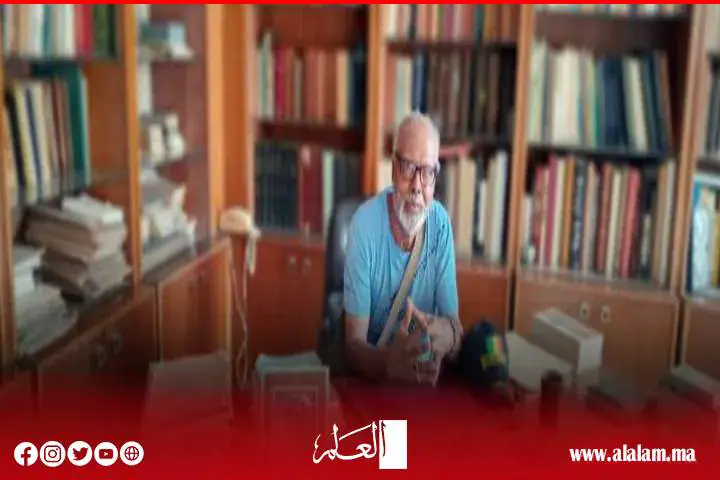
Moroccan writer Abdou Haki has written a scathing letter to the government, calling for a comprehensive overhaul of the country's cultural policy. In his article, Haki expresses frustration with the repeated discussions about the poor state of cultural infrastructure, including the weak distribution of books and the lack of public libraries. He argues that despite various initiatives and projects launched by successive governments, the situation remains dire.
Haki's critique focuses on the need for a national plan that brings together the ministries of culture, education, and communication, as well as local authorities. He advocates for the creation of school libraries, public libraries in rural areas, and mobile book services. Additionally, he suggests that a national budget for book acquisition and regular cultural activities for children and young people would help to promote reading and cultural engagement.
The author also highlights the challenges faced by Moroccan writers and artists, including weak book distribution and limited access to publishing opportunities. He calls for support for authors and artists, including fair compensation and protection of their intellectual property rights. Haki argues that a strong cultural sector is essential for Morocco's development and that it should be given a higher priority in the government's agenda.
Haki's letter also touches on the importance of preserving Morocco's cultural heritage, including its rich musical and artistic traditions. He suggests that the government should invest in documenting and digitizing these traditions, and provide opportunities for young people to learn about and engage with them. Furthermore, he advocates for greater decentralization and regional autonomy in cultural policy, allowing local communities to take ownership of their cultural heritage.
The writer also emphasizes the need for greater transparency and accountability in the allocation of cultural funding. He suggests that the government should establish clear criteria for funding cultural projects and provide regular evaluations of the impact of these projects. Haki also calls for the development of a national cultural policy that prioritizes the needs of Moroccan citizens, particularly those living in rural areas or marginalized communities.
Haki's vision for Morocco's cultural sector is one that is inclusive, vibrant, and sustainable. He argues that a strong cultural sector can contribute to the country's economic development, promote social cohesion, and enhance Morocco's reputation on the international stage. To achieve this vision, Haki calls on the government to develop a comprehensive plan with clear goals, timelines, and budgets.
Ultimately, Haki's letter is a call to action for the Moroccan government to prioritize culture and take concrete steps to address the challenges facing the sector. He argues that this will require a sustained commitment to investing in cultural infrastructure, promoting cultural engagement, and supporting Moroccan artists and writers. By doing so, Haki believes that Morocco can build a more vibrant, inclusive, and sustainable cultural sector that benefits all citizens.
Key points
- The article's author, Abdou Haki, urges the Moroccan government to prioritize culture and develop a comprehensive plan to address the challenges facing the sector.