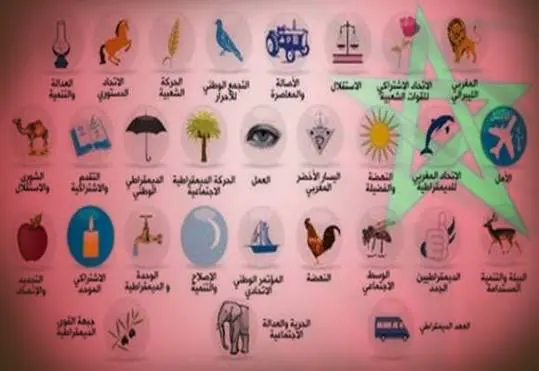
The Moroccan associations are gearing up to test the political parties' commitment to protecting the right to form associations. This comes after the recent elections, where parties are now harvesting their results. The associations are demanding that parties translate their rhetoric on civil society and freedom of association into tangible legislative and administrative commitments. The issue has become a crucial test of the parties' resolve to uphold democratic values.
The right to form associations is enshrined in Morocco's 2011 constitution, which guarantees freedom of expression and organization. However, the reality on the ground is far from ideal. Thousands of associations face administrative hurdles, including delays in receiving deposit receipts, which are essential for their legal existence. This has led to a situation where associations are struggling to operate, with many being forced to suspend their activities.
A report by the Moroccan Association of Civil Space has highlighted the scope of the problem. The report notes that associations, particularly those focused on human rights and social issues, face significant obstacles. These include refusal to accept registration documents, delays in receiving deposit receipts, and requests for additional documentation not required by law. The report also notes that the situation varies across different regions and administrative units.
The issue has significant implications for the associations and their members. Without a deposit receipt, associations are unable to open bank accounts, sign partnership agreements, or access funding. This has a ripple effect on their ability to operate and deliver services to their members. The associations are now calling on political parties to take concrete steps to address these issues and ensure that the right to form associations is protected.
The associations have proposed several measures to address the issue. These include the introduction of an electronic registration system, which would provide an immediate deposit receipt. They also propose the establishment of a national platform for electronic registration, which would streamline the process and reduce delays. Additionally, they are calling for greater transparency and accountability in the registration process.
The issue has sparked a wider debate about the role of civil society in Morocco. The associations are not just fighting for their own rights but also for the rights of citizens to participate in public life. The outcome of this struggle will have significant implications for the country's democratic development. The associations are determined to push for change, and it remains to be seen how the political parties will respond to their demands.
The struggle for the right to form associations in Morocco is a complex and ongoing issue. While there have been some positive developments, including court rulings in favor of associations, the problem persists. The associations will continue to push for change, and it is up to the political parties to demonstrate their commitment to upholding democratic values. The fate of civil society in Morocco hangs in the balance.
Key points
- Moroccan associations face significant obstacles in registering and operating, including delays in receiving deposit receipts.
- The associations are calling on political parties to take concrete steps to address these issues and ensure that the right to form associations is protected.
- The outcome of this struggle will have significant implications for Morocco's democratic development.