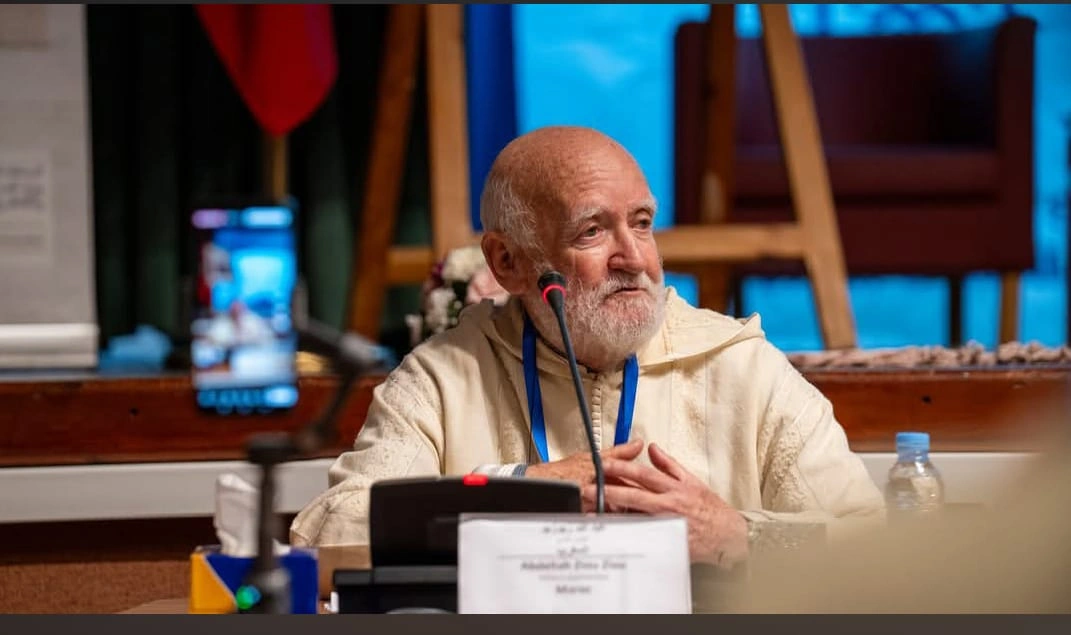
Moroccan artist Toni Marini's work has taken a unique turn, combining art and psychology in a way that has been beneficial for patients in psychiatric hospitals. Her journey in this field began in the mid-1970s when she met Dr. Abdallah Ziouz, a psychiatrist who was interested in the relationship between art and psychology. Dr. Ziouz had founded a club at the psychiatric hospital in Berrechid, where patients could engage in artistic activities such as painting and music.
The club, which was established in 1981, was initially met with skepticism by some, but Marini and Dr. Ziouz were determined to make it a success. They were joined by other artists, including Mohamed Mlihi, and together they worked with patients to help them express themselves through art. Marini's approach was not limited to the hospital; she also worked with children and in schools, expanding her reach and impact.
Marini's work in the psychiatric hospital was a pioneering experience, not only for the patients but also for the medical staff. Dr. Ziouz noted that Marini was not just a participant but a partner who showed a particular interest in the psychological aspect of art. Her approach was holistic, taking into account the cultural, social, and human aspects of the patients' experiences.
Marini's interest in Sufism, particularly the Mejishishiyya prayer, and her knowledge of the discussions around Ibn Arabi's book "Futuhat Makkiyya" influenced her approach to art and psychology. Her work was not limited to the hospital; she also engaged with the broader cultural and intellectual scene in Morocco, making her a distinctive figure in the country's artistic landscape.
Dr. Ziouz described Marini as a "true humanist" and an "anthropologist of art," highlighting her dedication to understanding the complexities of human experience through art. Her work has been recognized as a groundbreaking effort to break down the barriers between art, psychology, and anthropology.
Marini's experience at the Berrechid psychiatric hospital has had a lasting impact on her work, which continues to inspire new generations of artists and psychologists. Her approach has shown that art can be a powerful tool for healing and self-expression, and her legacy extends beyond Morocco's borders.
The impact of Marini's work is still felt today, with many regarding her as a pioneer in the field of art therapy. Her collaboration with Dr. Ziouz and other medical professionals has paved the way for future generations of artists and psychologists to explore the intersection of art and psychology.
Key points
- Moroccan artist Toni Marini has been recognized for her pioneering work in combining art and psychology to help patients in psychiatric hospitals express themselves.
- Marini's approach to art therapy has been influenced by her interests in Sufism and her knowledge of cultural and intellectual debates in Morocco.
- Her work has had a lasting impact on the art and psychology scene in Morocco, inspiring new generations of artists and psychologists.