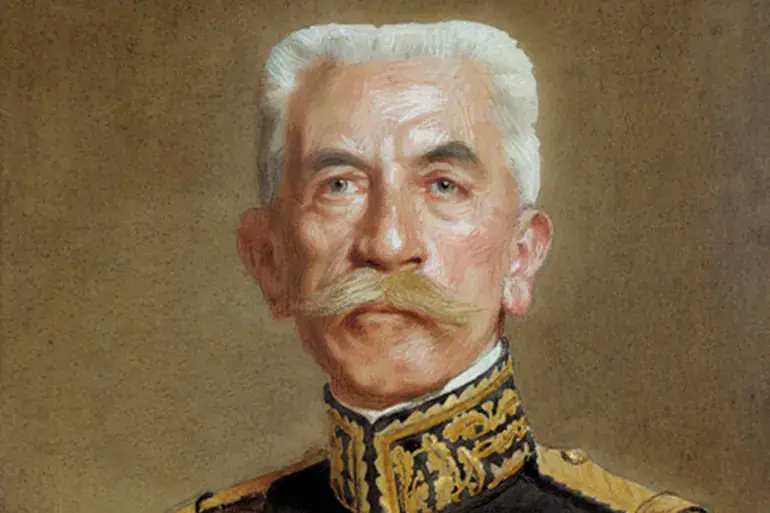
French General and Resident-General Hubert Lyautey was born on November 18, 1854, in Nancy, France. He was more than just a military officer sent to rule Morocco after the signing of the Protectorate Treaty in 1912. Lyautey was a statesman, architect, and politician who left a lasting impact on the country's development. His approach to governing Morocco was unique, recognizing the country's historical and cultural specificity.
Upon his arrival in Morocco as the first Resident-General in 1912, Lyautey implemented a vision that balanced modernization with respect for the country's traditions. He brought renowned architects like Henri Prost to build new, modern cities alongside ancient ones, preserving their original character. This approach led to the construction of new cities, the transfer of the capital from Fez to Rabat, and the transformation of Casablanca into a global economic hub.
Lyautey's efforts went beyond urban planning, as he established modern state institutions that still exist today, including the Conservatoire foncier, the postal system, railways, major ports, and the current Moroccan drapeau. These projects were successful due to his close relationship with Morocco and its people, which historians have described as a "policy of esteem and respect." Lyautey made a point to respect Islam and Moroccan customs.
Lyautey's respect for Moroccan traditions earned him the support of the country's elites, scholars, and general population. When he fell ill in 1923, Moroccans prayed for his recovery in mosques and referred to him as "Hajj Lyautey." His affection for Morocco led him to request that he be buried in Rabat after his death in France in 1934, with an inscription on his tombstone reflecting his respect for Islam.
Lyautey's legacy in Morocco is still celebrated today. His approach to governance and urban planning has had a lasting impact on the country's development. The cities he designed, the institutions he established, and the respect he showed for Moroccan traditions continue to shape the country's identity.
Before his death, Lyautey expressed his desire to be buried in Rabat, considering Morocco his second homeland. His remains were moved back to France in 1961 after Morocco gained independence. Lyautey's story serves as a testament to the power of cultural understanding and respect in shaping the course of history.
Today, Lyautey is remembered as a key figure in Morocco's modernization. His legacy continues to inspire new generations of Moroccans and foreigners alike, and his impact on the country's development remains a subject of study and admiration.
Key points
- Lyautey's policy of respect for Moroccan traditions and culture
- Establishment of modern state institutions
- Lasting impact on Morocco's urban planning and development