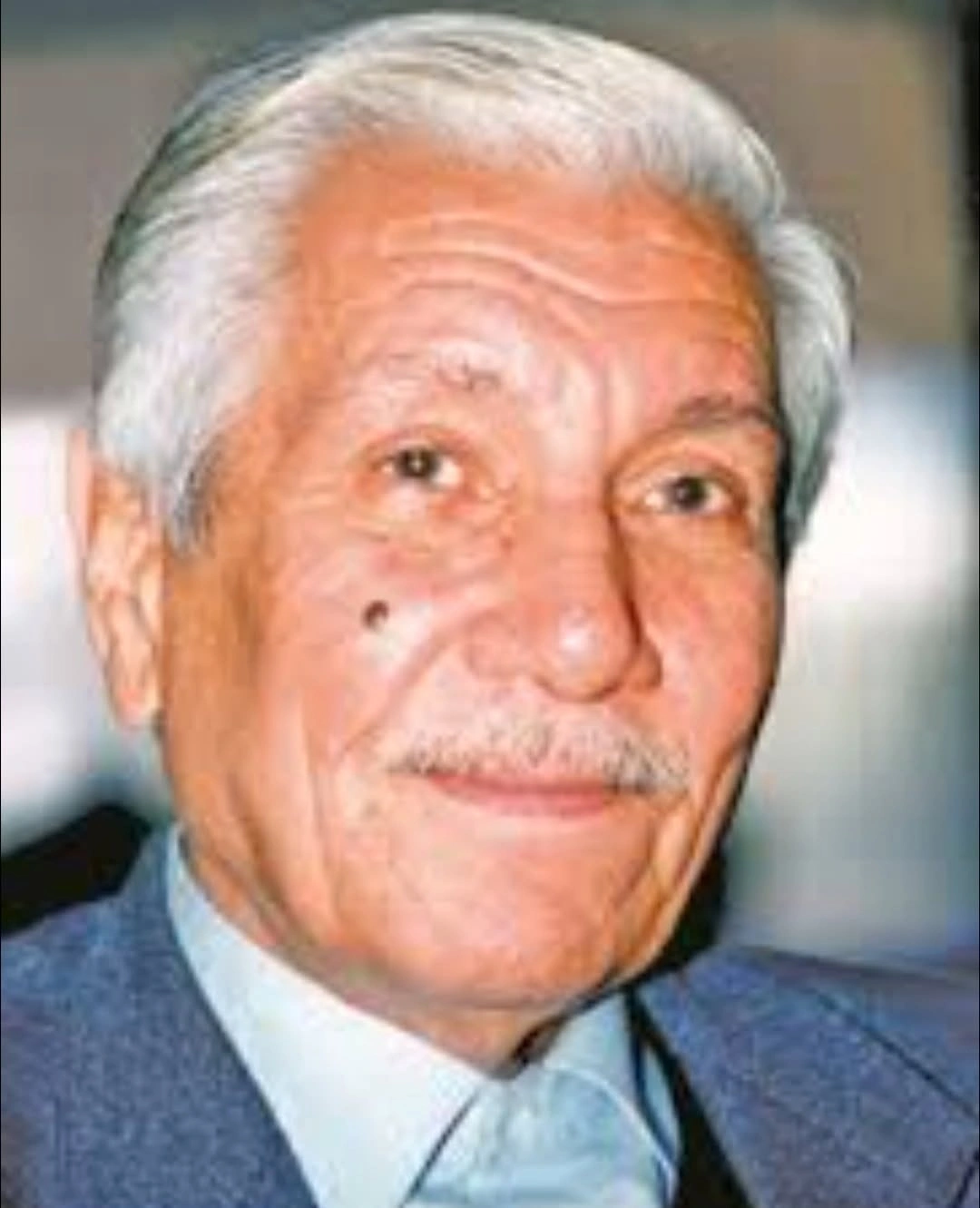
The literary world, particularly in Morocco and the Arab world, is reflecting on the life and works of Abd al-Wahhab al-Bayati, a prominent Iraqi poet who left an indelible mark on modern Arabic poetry. Al-Bayati passed away in 1999 in Damascus, Syria, but his poetry continues to be celebrated for its unique voice and style. His work has been widely read and studied, and he is remembered as a pioneer of free verse poetry in the Arab world.
Al-Bayati's poetry is characterized by its musicality, simplicity, and depth, often exploring themes of love, identity, and social justice. His collections, such as "Qamar Shiraz" and "Nusus Sharqiyya," are considered classics of modern Arabic literature. Many poets and writers, including Moroccan authors, have been inspired by his work, and he is widely regarded as one of the most important Arab poets of the 20th century.
Despite his significant contributions to Arabic literature, al-Bayati's work has faced criticism and controversy over the years. Some critics have accused him of being a plagiarist or a poet of limited talent, while others have praised his innovative style and thematic depth. In recent years, there has been a renewed interest in al-Bayati's work, with many scholars and readers reevaluating his legacy and significance in the context of modern Arabic literature.
Al-Bayati's impact on Moroccan literature is also noteworthy. His poetry has been widely read and studied in Morocco, and he has influenced a generation of Moroccan poets and writers. The Moroccan literary scene has been enriched by his work, and his legacy continues to inspire new writers and poets.
The Moroccan poet and writer, Nasser Sadek, has written extensively on al-Bayati's work and its significance in the context of modern Arabic literature. Sadek's own poetry has been influenced by al-Bayati's style and themes, and he is one of many Moroccan writers who have been inspired by his work.
Al-Bayati's legacy extends beyond his poetry, as he played a significant role in shaping the literary landscape of the Arab world. He was a key figure in the development of modern Arabic poetry, and his work continues to be widely read and studied today. His influence can be seen in the work of many younger poets and writers, and his legacy will continue to be felt for generations to come.
In conclusion, Abd al-Wahhab al-Bayati was a towering figure in modern Arabic literature, and his legacy continues to be celebrated and studied today. His poetry, style, and themes have had a lasting impact on the literary world, and his influence will continue to be felt for generations to come.
Key points
- Al-Bayati's poetry is characterized by its musicality, simplicity, and depth, often exploring themes of love, identity, and social justice.
- Al-Bayati played a significant role in shaping the literary landscape of the Arab world and was a key figure in the development of modern Arabic poetry.
- Al-Bayati's legacy extends beyond his poetry, as he influenced a generation of poets and writers, including many in Morocco.