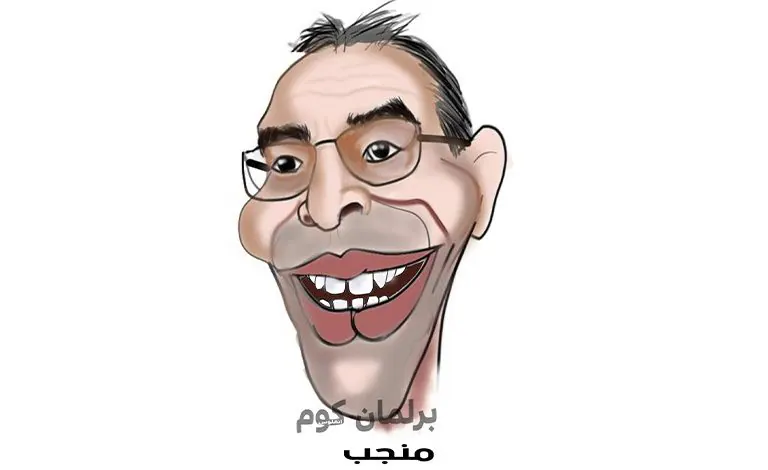
A recent decision to upgrade diplomatic representation and exchange ambassadors between Morocco and Israel has sparked intense debate on social media. The move has drawn both supporters and critics, with varying interpretations of its implications for Moroccan foreign policy. Historian and activist Maati Mjaj, who criticized the decision, faced backlash from several quarters. His comments were swiftly responded to by various individuals and groups.
Several activists and commentators defended the government's decision, arguing that Morocco's foreign policy is guided by pragmatism and national interest. The account "Triyak al-Sumoom" argued that a country's external strength lies in its ability to manage channels of dialogue and interests, rather than abstract moral judgments. This perspective emphasizes that Morocco has not abandoned the Palestinian cause, but continues to advocate for a Palestinian state within the 1967 borders, with East Jerusalem as its capital.
Other voices echoed similar sentiments, stressing the need for a nuanced understanding of international relations. Commentator Redouane Al-Taibi noted that reducing the agreement to simplistic narratives of betrayal ignores the complexities of diplomatic engagement. He argued that such critiques fail to consider the potential benefits of cooperation in areas like economy, investment, and aviation. By doing so, they overlook the intricacies of state-to-state relations.
Some critics targeted Maati Mjaj's criticism, accusing him of oversimplifying complex issues. The satirical account "Kinan Motaraji" ridiculed attempts to reduce diplomacy to emotive slogans, arguing that such approaches undermine constructive analysis. Furthermore, the account criticized Mjaj for invoking historical figures from Morocco's Jewish community to buttress his argument, suggesting that this approach disrespects their legacy by politicizing it.
The timing and content of Maati Mjaj's statement also drew scrutiny. The account "Observator" noted that the statement offered little new insight, merely reiterating familiar slogans. Conversely, commentators like Abdo Idrissi and "Abel Flytox" offered a more analytical perspective, suggesting that opposition to the agreement stems from binary thinking and emotive reactions that neglect the realities of international relations and Morocco's sovereign interests.
The debate highlights deep-seated differences in opinion within Morocco regarding the country's foreign policy and diplomatic engagements. While some view the upgrade in diplomatic ties with Israel as a pragmatic move, others see it as a betrayal of long-standing Arab and Islamic solidarity with the Palestinian cause. This internal debate reflects broader regional and global shifts, as countries navigate complex webs of alliances and interests.
As Morocco navigates its diplomatic relationships, the conversation around its foreign policy is likely to continue. Key stakeholders, including government officials, activists, and analysts, will play a crucial role in shaping public opinion and influencing policy decisions. The discussion around Morocco's normalization with Israel serves as a case study in the complexities of modern diplomacy and the challenges of balancing national interests with moral and ideological commitments.
Key points
- Moroccan activists defend government's decision to upgrade diplomatic ties with Israel
- Critics argue that normalization with Israel undermines Palestinian cause
- Debate highlights complexities of Moroccan foreign policy and diplomacy