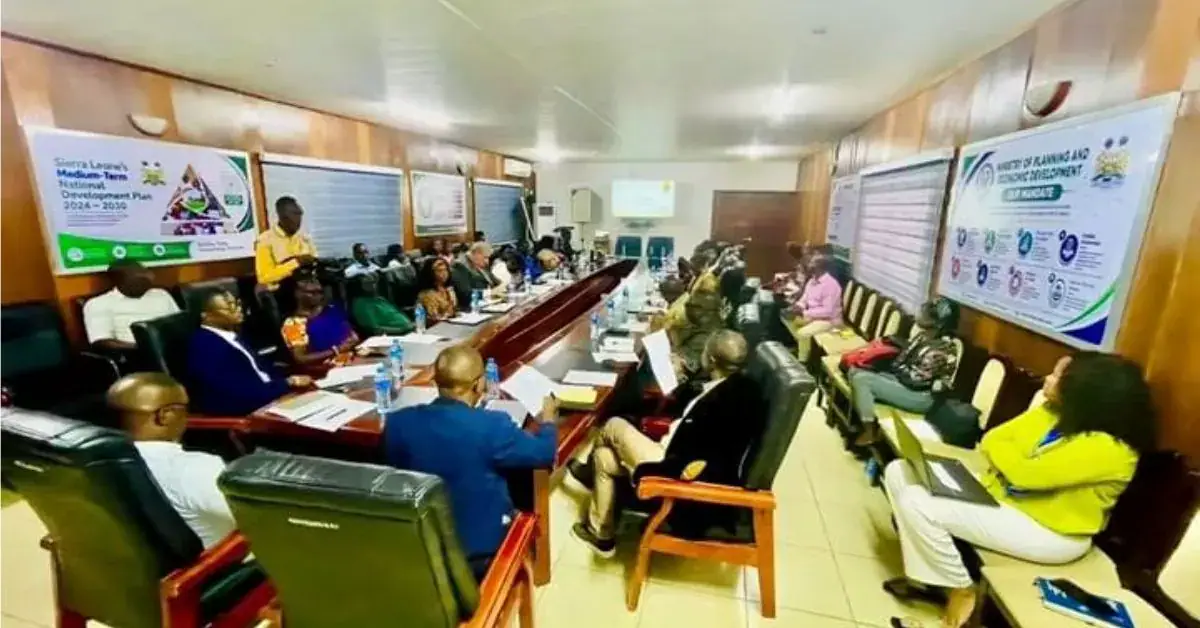
The Ministry of Planning and Economic Development (MoPED) in Sierra Leone recently convened its monthly NGO Open Information Session, bringing together representatives from government ministries, NGOs, and the media. The meeting, themed "Partnership – Transparency – Impact," aimed to discuss ongoing development activities, challenges faced by organizations, and areas where government support could improve their work. This initiative underscores the ministry's commitment to fostering collaboration and enhancing the delivery of development programs.
During the session, three organizations – World Hope International (WHI), World Vision International Sierra Leone, and We Are Purposeful – presented their programs and shared accounts from beneficiaries. These organizations highlighted their work in health, education, water and sanitation, child protection, disability inclusion, and women's empowerment. The presentations demonstrated the diverse range of interventions aimed at supporting vulnerable communities and promoting national development.
Dr. Moi Kowa, Director of the Service Delivery and Performance Management Division at MoPED, chaired the session and urged NGOs to ensure their programs align with Sierra Leone's Big Five Game Changers. He emphasized the need for development organizations to direct their resources towards national priorities and produce measurable results. This call to action reflects the government's efforts to ensure that development programs are aligned with national objectives and are effective in achieving their intended outcomes.
The session also featured discussions on the challenges faced by NGOs, including poor road networks, limited access to remote communities, and the need for greater recognition of initiatives supporting girls who are out of school. Participants raised questions about program implementation, coordination, funding, and the challenges NGOs face when delivering services in remote communities. These discussions highlighted the complexities of development work in Sierra Leone and the need for collaborative solutions.
Representatives from government ministries, including the Ministries of Health, Basic and Senior Secondary Education (MBSSE), and Water Resources, participated in the discussions. They encouraged NGOs to align their programs with national priorities and comply with Service-Level Agreements to ensure that their initiatives complement existing government programs. This engagement demonstrates the government's commitment to coordination and collaboration with NGOs.
The meeting concluded with a call for stronger cooperation between government institutions and NGOs to improve the delivery of development programs. Participants emphasized the importance of local ownership, sustainability, and avoiding duplication of projects. The session provided a platform for government and development organizations to identify practical ways of enhancing coordination and ensuring that development interventions respond to community needs.
The Ministry of Planning and Economic Development's engagement with NGOs reflects a broader effort to promote accountability, transparency, and impact in development programs. By fostering collaboration and coordination, the government aims to ensure that development interventions are effective in supporting vulnerable communities and promoting national development. The monthly NGO Open Information Session has become a crucial platform for dialogue and cooperation between government and development organizations.
Key points
- The Ministry of Planning and Economic Development in Sierra Leone holds monthly sessions with NGOs to enhance cooperation and ensure that development programs align with national priorities.
- The sessions aim to promote accountability, transparency, and impact in development programs, with a focus on supporting vulnerable communities and promoting national development.
- The engagement between the government and NGOs reflects a broader effort to address development challenges in Sierra Leone, including poor road networks, limited access to remote communities, and the need for greater recognition of initiatives supporting girls who are out of school.