The Moldovan parliament has voted to impose a 60-day state of emergency in the country's energy and water sectors. The decision was made in response to rising energy prices and a severe drought that has affected the country's water supply. The state of emergency will allow the authorities to respond quickly to any disruptions in energy and water supplies. The vote was passed with 54 lawmakers in favor, 20 against, and 22 abstentions.
The country's prime minister, Vasile Tofan, described the situation as a "perfect storm" due to the ongoing conflicts in Eastern Europe and the Middle East, combined with the severe drought. Moldova has significantly reduced its dependence on Russian energy since the start of the Ukraine war in 2022 and has turned to importing energy from European Union countries. However, the country is still facing significant challenges in ensuring a stable energy and water supply.
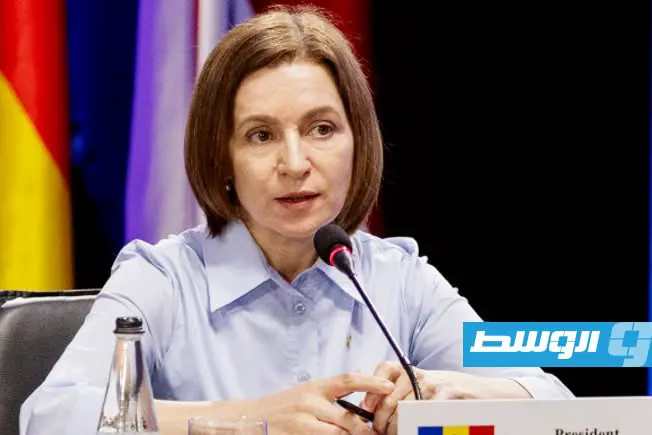
The country's president, Maia Sandu, has warned that the situation is critical, with a severe shortage of water in the Dniester and Prut rivers. This has raised concerns about the availability of drinking water for the population. The state of emergency will enable the authorities to take swift action if necessary, including purchasing fuel or responding to any further disruptions in the water supply.
The opposition leader, Igor Dodon, has called on the government to negotiate with Moscow about gas supplies. However, the government has stated that it is committed to reducing its dependence on Russian energy. The country's energy crisis has been exacerbated by the global rise in energy prices, which has been driven by the conflict in Ukraine and other factors.
The drought has had a significant impact on Moldova's agriculture sector, with many farmers struggling to irrigate their crops. The country's water reservoirs are also at critically low levels, which has raised concerns about the long-term sustainability of the country's water supply. The government has promised to take steps to mitigate the effects of the drought and ensure that the country's water needs are met.
The state of emergency has been welcomed by some EU countries, which have offered to provide support to Moldova in addressing its energy and water challenges. The European Union has also pledged to provide financial assistance to help Moldova overcome its current crisis. The country's energy and water crisis has highlighted the need for Moldova to diversify its energy sources and improve its water management systems.
Moldova's energy and water crisis has significant implications for the country's economy and population. The country is heavily reliant on imports to meet its energy needs, which has made it vulnerable to fluctuations in global energy prices. The government has promised to take steps to reduce the country's dependence on imports and improve its energy efficiency. The state of emergency is expected to remain in place for 60 days, during which time the government will work to address the country's energy and water challenges.
Key points
- Moldova declares 60-day state of emergency in energy and water sectors amid rising prices and drought.