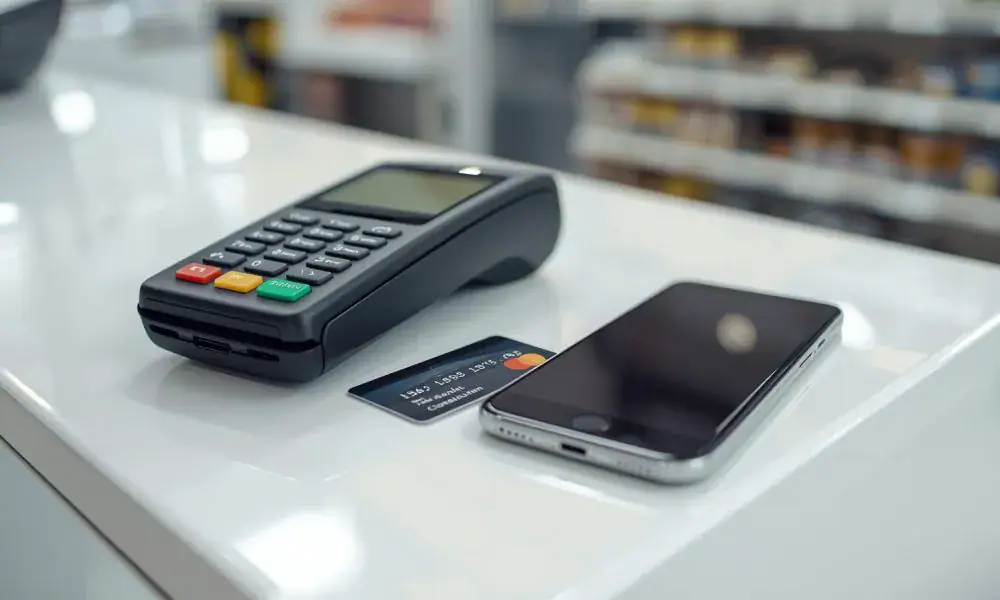
The Central Bank of Tunisia (BCT) has reported a significant increase in mobile payments in the country. According to the BCT's bulletin number 18, which covers the period up to September 30, 2026, the number of mobile transactions has reached 7.1 million. This represents a 53.3% increase compared to the same period last year. The growth in mobile payments is a notable trend in Tunisia's digital payment landscape.
The number of mobile wallets has also seen a significant increase, rising by 20% over the past year. In addition to mobile payments, the BCT reported that e-payments have also experienced substantial growth. A total of 18 million e-payment transactions were recorded, representing a 27% increase compared to September 2025. The value of these transactions reached 1.229 billion dinars, up 24.1% year-on-year.
The growth in digital payments is not limited to mobile and e-payments. Payments made through proximity transactions, which include contactless payments, have also increased. A total of 41.3 million transactions were recorded, representing an 18.6% increase. The value of these transactions reached 5.143 billion dinars, up 16% year-on-year. This growth suggests that Tunisians are increasingly adopting digital payment methods.
The expansion of digital payment infrastructure is also underway in Tunisia. The number of active merchant sites has reached 1,552, representing a 27.6% increase compared to the end of 2025. Additionally, the number of electronic payment terminals (TPEs) has reached 45,900, up 6.5% year-on-year. This growth in infrastructure is likely to support further adoption of digital payments.
The growth in digital payments is also reflected in the increasing number of bank cards and automated teller machines (ATMs). The number of bank cards in circulation has reached 6.493 million, up 11% year-on-year. The number of ATMs and cash dispensers has reached 3,333, representing a 1% increase. This growth in digital payment infrastructure and instruments is likely to support further adoption of digital payments.
Despite the growth in digital payments, cash remains a dominant form of payment in Tunisia. The BCT's report suggests that there is still a long way to go in terms of increasing the adoption of digital payments. However, the growth in mobile payments, e-payments, and proximity transactions suggests that Tunisians are increasingly turning to digital payment methods.
The growth in digital payments is likely to have significant implications for Tunisia's economy and financial sector. As the country continues to develop its digital payment infrastructure, it is likely that digital payments will become increasingly important. Three key points emerge from the BCT's report: mobile transactions have increased by 53.3% year-on-year, e-payments have grown by 27%, and proximity transactions have increased by 18.6%.
Key points
- Mobile transactions in Tunisia have reached 7.1 million, up 53.3% year-on-year.
- E-payments have grown by 27% year-on-year, with 18 million transactions recorded.
- The number of active merchant sites has increased by 27.6% to 1,552.