The Central Bank of Tunisia's (BCT) annual report on banking supervision in 2025 reveals that the number of mobile payment accounts in the country has increased to 113,739, representing a 44% growth from the previous year. However, the report notes that the usage of these accounts is limited, with only 12,843 accounts being active, which translates to 11.3% of the total accounts. This represents a decline of 46% from the previous year's active accounts.
The BCT report highlights that the number of active accounts has been declining, with a significant drop from 23,830 in 2024 to 12,843 in 2025. The report attributes this decline to the fact that many accounts are dormant, with 100,896 accounts not being used. Despite this, the network of payment agents has expanded, with 3,679 points, including 55 agencies and 3,624 agents, representing a 4.7% increase from the previous year.
The report also notes that the majority of transactions through mobile payment accounts are related to receiving funds from abroad, with 60% of the total value of transactions being transfers from abroad. The average transfer value is around 870 dinars. Additionally, 22% of the transactions are related to microcredit repayments, while only 1.9% of transactions are for bill payments.
The mobile payment sector in Tunisia is dominated by six licensed establishments, with one more licensed in 2026. The main shareholders of these establishments are banks, industrial groups, and microfinance institutions. However, the report notes that the business model of these establishments is not profitable, with losses reaching 17.3 MDT in 2025, representing almost the same level as in 2024.
In response to the limited usage of mobile payment accounts, the BCT has increased the ceilings for accounts, allowing for higher transaction values. The new ceilings are 1,500 dinars for level 1 accounts, 5,000 dinars for level 2 accounts, and 20,000 dinars for level 3 accounts. The report also notes that the BCT aims to reduce the use of cash in the country.
The report highlights that the main problem with mobile payments in Tunisia is not the ceilings, but rather the lack of usage. The majority of accounts, 90%, are not being used, and the transactions are mainly limited to receiving funds from abroad and microcredit repayments. The BCT's goal of reducing cash usage seems to be challenging, given the current state of mobile payments in the country.
The mobile payment sector in Tunisia has potential for growth, but it needs to overcome the challenges of limited usage and profitability. The BCT's efforts to increase the ceilings for accounts and allow for remote account opening may help to boost usage. However, more needs to be done to encourage the use of mobile payments for everyday transactions, such as bill payments and merchant transactions.
Key points
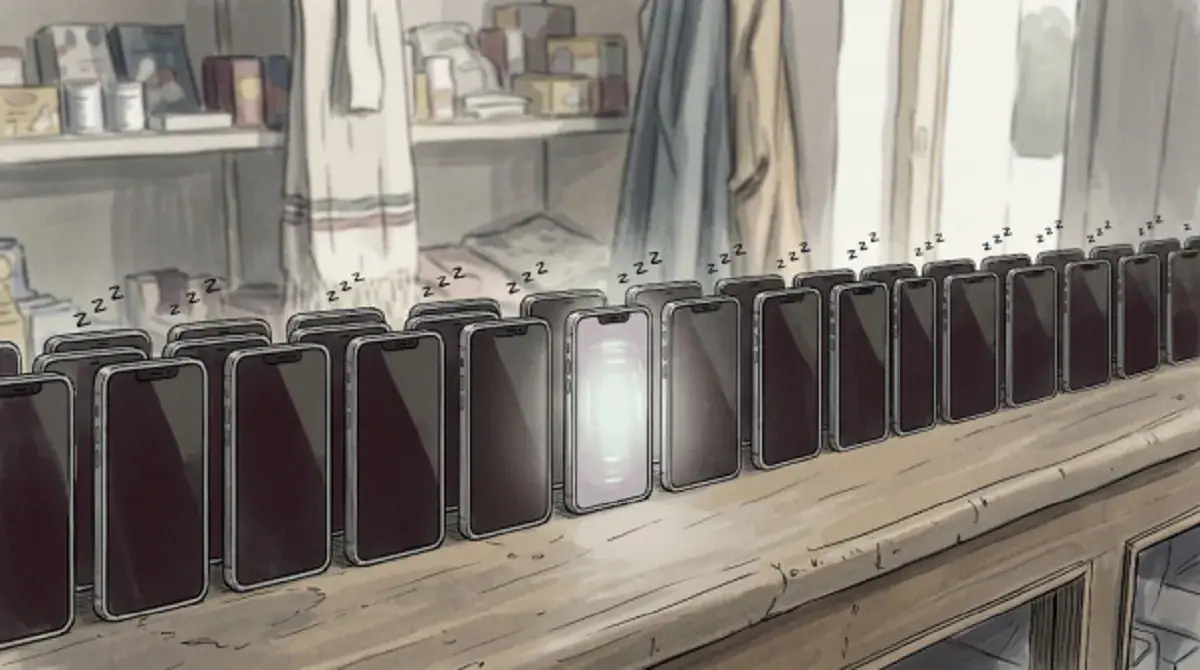
- The usage of mobile payment accounts in Tunisia remains limited, with only 11.3% of accounts being active.
- The majority of transactions through mobile payment accounts are related to receiving funds from abroad and microcredit repayments.
- The business model of mobile payment establishments in Tunisia is not profitable, with losses reaching 17.3 MDT in 2025.
Reporting sources
- Paiement mobile : Ouverts & dormants · African Manager