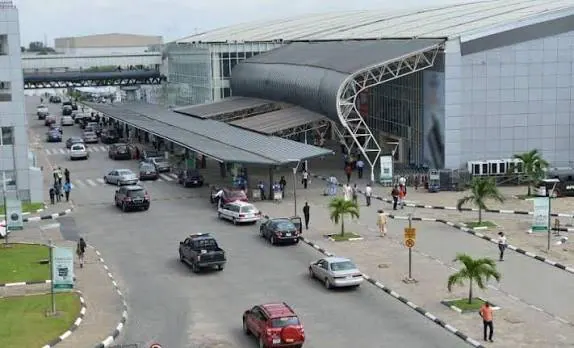
Murtala Muhammed Airport Terminal Two (MMA2) in Nigeria is exploring measures to manage rising passenger traffic through improved use of existing capacity, better flight scheduling, technology, and stronger collaboration among airlines and government agencies. The terminal operator, Bi-Courtney Aviation Services Limited (BASL), said these measures had become necessary as Nigeria's aviation market continued to expand, placing increasing pressure on airport infrastructure and passenger-processing systems.
According to BASL's Head of Corporate Communications, Mrs Ajoke Yinka-Olawuyi, Nigeria recorded more than 18.8 million domestic and international passengers in 2025, representing an 11.9 per cent year-on-year increase. Citing figures presented by the Federal Airports Authority of Nigeria (FAAN) at the ongoing ACI Africa Regional Conference and Exhibition 2026 in Abuja, Yinka-Olawuyi said airline capacity had also increased significantly.
Scheduled airline capacity reached about 1.19 million seats in September 2026, representing a 37.4 per cent increase compared with the corresponding period in 2025, based on OAG data. Yinka-Olawuyi said the growth meant airport capacity could no longer be measured solely by the size of terminal facilities. Factors such as airline scheduling, passenger processing, security deployment, road access, technology, and coordination among stakeholders were equally important.
A significant proportion of airline operations at MMA2 was concentrated during the early peak period, putting pressure on different stages of the passenger journey despite available capacity outside the peak window. To address the challenge, BASL was engaging airlines on the adoption of a Level 2 schedule-coordination/slot system to distribute passenger demand more evenly across available capacity.
Discussions with airlines were ongoing, with the objective of developing workable options that optimise available airport capacity while improving the passenger experience. However, any changes to flight schedules would need to consider the commercial realities of airline operations, including passenger demand and revenue. On passenger screening, BASL was engaging FAAN on the deployment of adequate Aviation Security personnel to maximise available screening infrastructure during peak periods.
Yinka-Olawuyi also identified traffic congestion and access to the airport environment as areas requiring attention. BASL had engaged the Police Airport Command, Air Force authorities, and other security stakeholders to facilitate smoother traffic movement around the airport. Beyond physical infrastructure, BASL was pursuing technology-driven solutions to improve passenger processing.
The initiatives formed part of BASL's broader strategy to ensure that MMA2 kept pace with the growth of Nigeria's aviation sector. The focus was not only on expanding infrastructure but also on improving the utilisation of existing capacity and strengthening coordination among stakeholders involved in the passenger journey. MMA2's objective was to build a more coordinated and technology-enabled operation capable of supporting continued growth in Nigeria's aviation sector.
Key points
- MMA2 is implementing measures to manage rising passenger traffic through improved capacity use and technology.
- Nigeria's aviation market continues to expand, with 18.8 million passengers recorded in 2025.
- MMA2 is engaging airlines and stakeholders to distribute passenger demand more evenly across available capacity.