The MK Party has moved swiftly to establish a centralised negotiating framework to secure coalition agreements in municipalities where it failed to obtain an outright majority. Following its strong performance in KwaZulu-Natal in the 2026 local government elections, the party has appointed a seven-member national negotiations team to lead and co-ordinate engagements with prospective coalition partners. This approach signals a different strategy from the party's handling of coalition negotiations following the 2024 general elections.
The national negotiations team will be led by Duduzane Zuma, who is former president Zuma's son and the MK Party first deputy president. The team has been tasked with engaging prospective coalition partners, assessing political and programme alignment, negotiating coalition agreements and making recommendations on governance arrangements and the distribution of executive responsibilities. This proactive move suggests that the party is determined to avoid the delays and uncertainty that characterised coalition negotiations following the 2024 national and provincial elections.
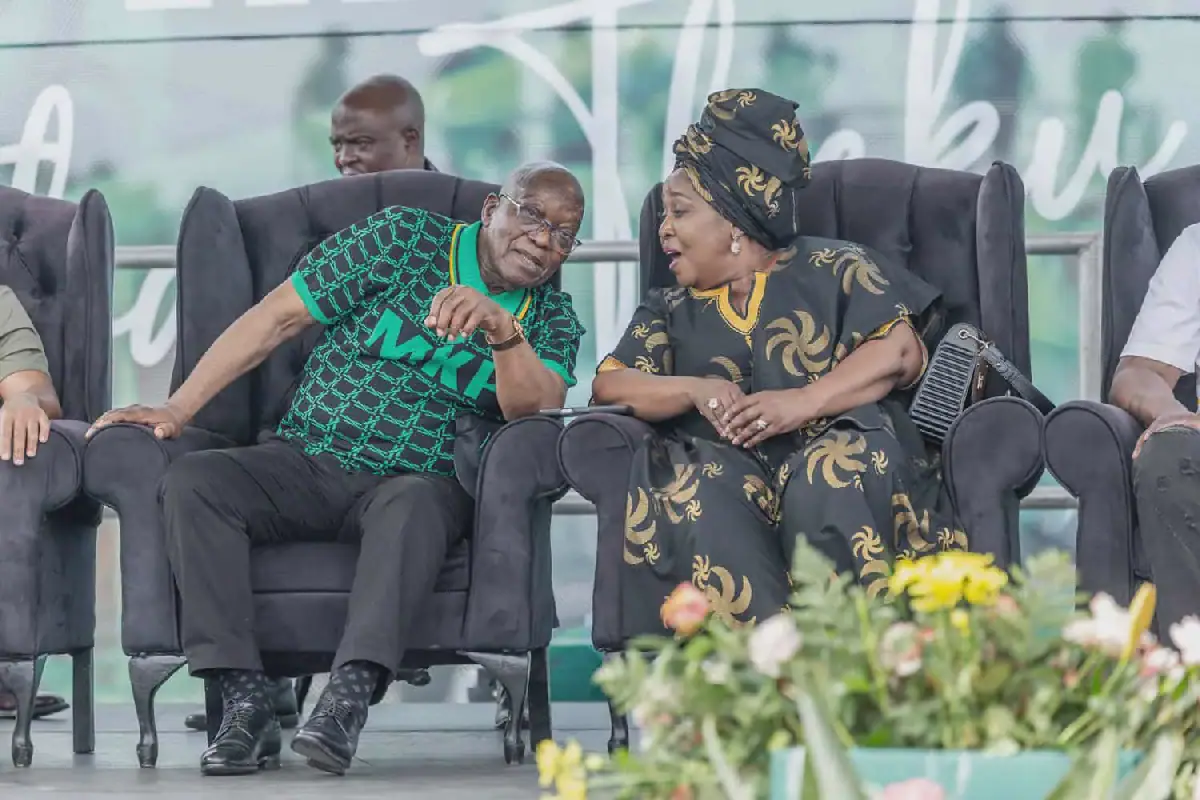
MK Party president Jacob Zuma said the party's electoral performance demonstrated that South Africans wanted greater co-operation among political formations. He added that the message from voters was clear: they wanted co-operation among political parties. Zuma also commended the MK Party for becoming the largest party in KZN and getting a 10% of the vote nationally. However, he bemoaned what he described as the fragmented black vote, saying that as the indigenous people of this country, they had a real opportunity to seize power, but remained weak because they are divided.
The MK Party garnered the highest number of votes in KZN, with close to 90% of votes counted in the province. However, the party was struggling to get an outright majority in key municipalities such as Msunduzi, eThekwini and Mhlathuze. Zuma made it clear that the negotiations should not become a contest for political positions, insisting that coalition arrangements must advance the party's political programme and the interests of communities.
MK Party acting secretary-general Lindiwe Makubu said the organisation would extend a coalition invitation to "like-minded parties". She added that they would work with parties that share the same values as them. The MK Party, which challenged the outcome of the 2024 general elections where it got 45% of the KZN vote and 14% nationally, said it was happy with the 2026 local government elections results.
While MK Party senior member Advocate Dali Mpofu said it was important for the IEC to respond to the objections lodged by the party in various wards, particularly in eThekwini, he said the MK Party would not be challenging the entire 2026 local government elections outcomes. The party's early move to establish a negotiating framework suggests that it is taking a proactive approach to coalition negotiations.
The Electoral Commission of South Africa is expected to officially release the final election results on Sunday. The MK Party's strong performance in KZN and its proactive approach to coalition negotiations have set the stage for a significant role in the province's governance arrangements. The party's leadership has expressed gratitude for the support received from voters and has reiterated its commitment to working with like-minded parties to advance its political programme and the interests of communities.
Key points
- MK Party establishes centralised negotiating framework to secure coalition agreements
- Duduzane Zuma to lead national negotiations team
- Party seeks to avoid delays and uncertainty in coalition negotiations
Reporting sources
- MK Party moves swiftly to seek coalition deals · The Witness