The announcement of a two-year delay in Guinea-Bissau's presidential and legislative elections has elicited mixed reactions from residents. The polls, initially set for December 6, were postponed by the military government that seized power in a coup a year ago. Some residents expressed discontent with the decision, citing the need for a return to civilian rule. Mamadu Dabó Junior, a Bissau resident, questioned the military's attitude, emphasizing the importance of discussion, debate, and submission to the people before making decisions.
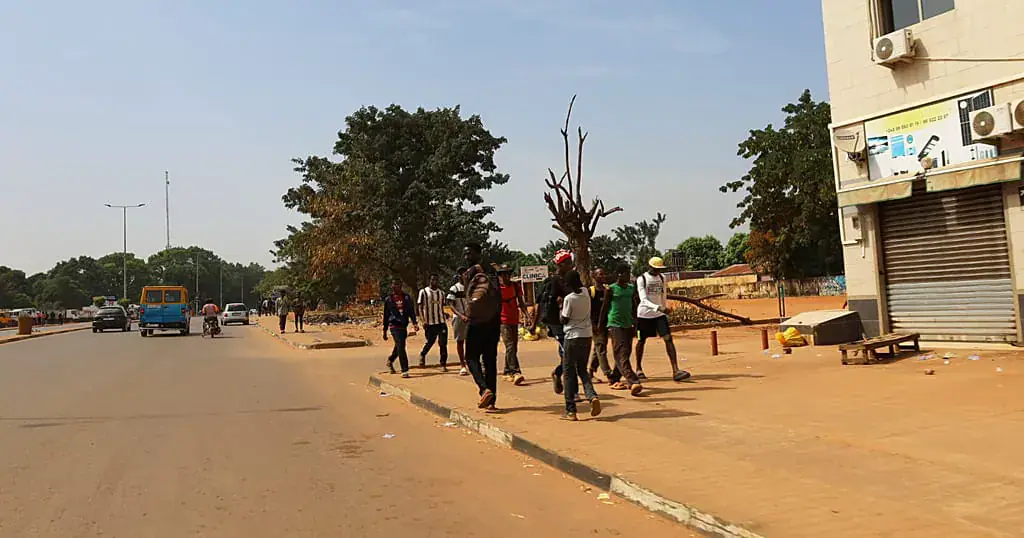
Fellow resident Jalica Cante described the decision as "a bit tricky" given the current situation in Guinea-Bissau. She expressed concern about the country's inability to move forward with the postponed elections. Muahmede Nhabali, a Bissau trader, lamented the lack of functioning markets and the standstill in economic activity. He appealed to the high military command to expedite the electoral process, finding the proposed 2028 date too far away.
Transitional President General Horta N'Tam defended the decision, citing insufficient technical, material, and financial conditions to organize a credible vote. The military had promised a one-year transition to civilian rule after last year's coup. An August constitutional referendum replaced the country's semi-parliamentary structure with strengthened presidential powers, amid opposition calls for a boycott.
The postponed elections are now scheduled for November 26, 2028, exactly three years after the generals came to power. This development has raised concerns about the country's progress toward democracy. Guinea-Bissau has experienced four previous coups and attempted coups since gaining independence from Lisbon in 1974.
The military government's decision has significant implications for the country's governance structure. The August constitutional referendum, which was opposed by some, has altered the country's power dynamics. The opposition had called for a boycott of the referendum, which aimed to strengthen presidential powers.
Residents' reactions to the postponement reflect the uncertainty and frustration surrounding the country's political situation. Mamadu Dabó Junior emphasized the need for governance instruments to be based on discussion and debate, while Jalica Cante expressed concern about the country's stagnation. Muahmede Nhabali's appeal to the military command highlights the economic implications of the delay.
The international community is likely to scrutinize Guinea-Bissau's progress toward democracy, given its history of coups and attempted coups. The country's ability to organize credible elections in 2028 will be crucial in determining its future governance structure. The postponement has raised questions about the military government's commitment to a smooth transition to civilian rule.
Key points
- The elections in Guinea-Bissau have been postponed to November 26, 2028.
- The military government cited insufficient conditions to organize a credible vote.
- Residents have expressed mixed reactions to the postponement, citing concerns about the country's progress toward democracy.