The Mitooma District in Uganda has taken a significant step towards enhancing its healthcare services by deploying 155 newly trained Community Health Workers. This initiative aims to strengthen disease prevention, health education, and early referral of patients within the community. The district faces a considerable challenge with its health worker staffing level standing at only 22 percent. The new community health workers will operate within communities, assisting households in identifying health problems early, promoting immunization, and encouraging antenatal care.
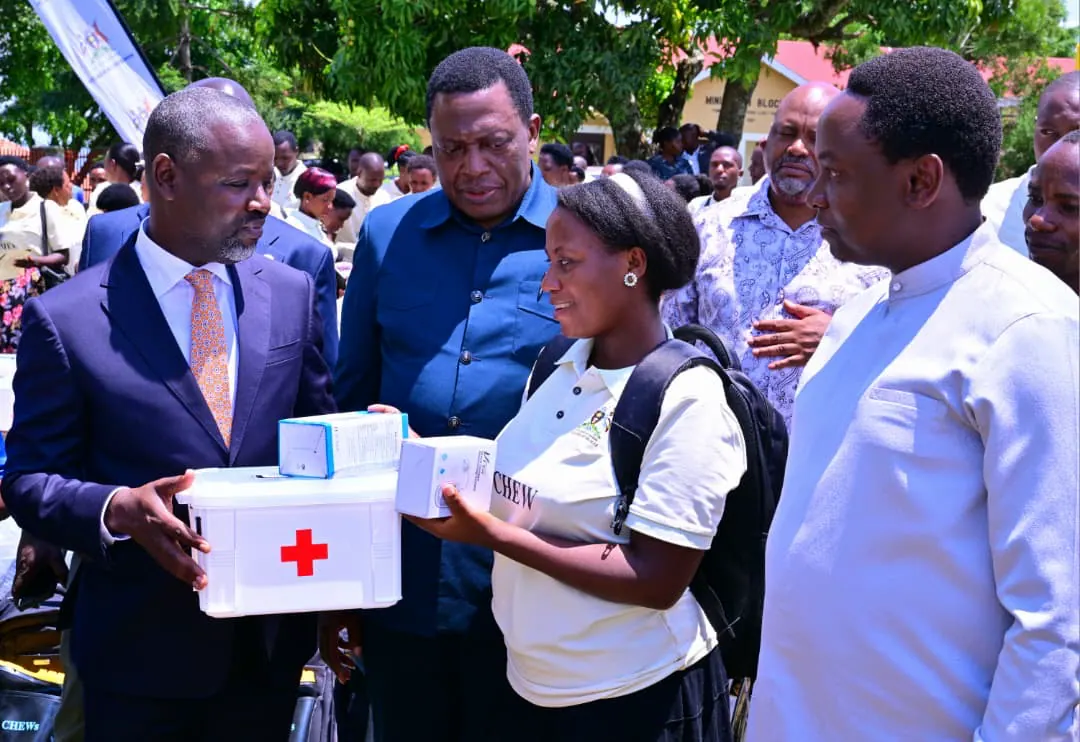
The deployment of these community health workers was marked by a passing-out ceremony at the Mitooma District headquarters. During the ceremony, Deputy Speaker of Parliament Thomas Tayebwa addressed the new workers, emphasizing their critical role in communities. He warned them against assuming the role of medical practitioners, stressing that their primary responsibility is to identify health concerns, provide accurate information, and direct patients to health facilities. Tayebwa also cautioned the workers against demanding money or transport from residents and advised them to use community gatherings to sensitize residents about health issues.
Tayebwa further advised the community health workers to guard the equipment provided for their work, as these are not gifts but work tools. He encouraged them to promote immunization, antenatal care, and healthier lifestyles. The Deputy Speaker's address underscored the importance of the community health workers in bridging the gap between communities and the formal health system, particularly in areas where access to health facilities is limited.
Director General of Health Services Dr. Charles Olaro highlighted the significance of the Community Health Worker program as part of the Ministry of Health's strategy to emphasize disease prevention. He mentioned that the success of the program should be measured by the illnesses prevented at the household level rather than the number of patients referred to health facilities. Olaro expressed his interest in seeing how many patients have been prevented from coming to health facilities due to the health promotion and prevention strategies adopted at home.
Dr. Olaro also encouraged the community health workers to lead by example in promoting immunization, antenatal care, family planning, and healthier lifestyles. This approach aims to create a ripple effect within communities, fostering a culture of health consciousness and preventive care. The community health workers are expected to play a pivotal role in reducing the disease burden, which Olaro noted is largely preventable.
Mitooma Acting District Health Officer Julius Taremwa provided context on the district's health worker recruitment and staffing levels. Although 101 health workers were recruited this year, the district's staffing level remains at 22 percent, which is notably low in the region. Taremwa emphasized that the shortage of health workers makes the role of community health workers particularly crucial in areas where residents face challenges in accessing formal health services.
The deployment of the 155 community health workers in Mitooma District is a strategic move to address the healthcare gaps in the region. With their help, the district aims to improve health outcomes by enhancing disease prevention, promoting health education, and ensuring early referral of patients. The initiative reflects a broader effort by the Ministry of Health to shift its focus from curative to preventive care, leveraging community health workers as frontline agents in this endeavor.
Key points
- The Mitooma District has deployed 155 community health workers to enhance disease prevention and health education.
- The district faces a significant staffing gap, with health worker levels at only 22 percent.
- The community health workers will play a crucial role in promoting immunization, antenatal care, and healthier lifestyles within their communities.