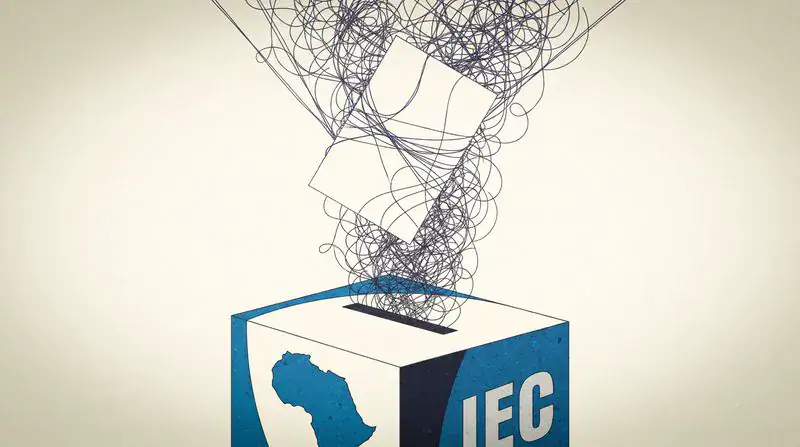
The Electoral Commission of South Africa (IEC) has become a target of misinformation and disinformation campaigns in the lead up to the 2026 municipal elections. These campaigns aim to discredit the credibility of the electoral process, posing a significant threat to democratic participation. Misinformation and disinformation can cause harm, undermine confidence in electoral institutions, and interfere with access to accurate information.
The nature of harmful online content around elections appears to be changing. Previously, online spaces were often flooded with misleading information about election dates, polling arrangements, and claims that elections had been postponed. However, platforms such as Real411 are now seeing content that seeks to undermine confidence in the legitimacy, independence, and credibility of the electoral process itself.
The distinction between misinformation and disinformation matters. Misinformation generally refers to false or inaccurate information, while disinformation involves the deliberate dissemination of false information to deceive and cause public harm. Although both can cause harm, establishing that a claim is false does not, by itself, prove intent to deceive.
Recent examples of misinformation and disinformation campaigns targeting the IEC include allegations of collusion between the IEC and political parties, claims that elections have been rigged, and accusations of political interference in candidate registration. Some claims are presented as established facts without credible supporting evidence, while others involve fabricated or manipulated content designed to appear authentic and mislead the public.
The IEC is constitutionally mandated to safeguard electoral processes and run fair and credible elections. Allegations that it is controlled by a political party or has rigged elections should be tested against credible evidence, not accepted as fact simply because they circulate widely. Freedom of expression is fundamental to democratic accountability, and not all criticism is disinformation.
Real411’s role is not to shield public institutions from criticism, determine which political opinions are acceptable, or suppress dissent, but to assess complaints against clearly defined criteria and an appropriate evidentiary threshold. A post should not be deemed a violation simply because it challenges the IEC, questions its independence, or expresses opposition to the electoral process.
The implications of misinformation and disinformation campaigns extend beyond the reputation of the IEC. The right to participate in free and fair elections depends on an environment in which people can access reliable information and make informed choices. Unsupported allegations that electoral institutions are irredeemably corrupt may weaken confidence in the mechanisms through which citizens exercise their political rights and discourage electoral participation.
Key points
- Institutions like the Electoral Commission of South Africa are being targeted by misinformation and disinformation campaigns.
- The distinction between misinformation and disinformation is crucial in understanding the threat to electoral integrity.
- Protecting electoral integrity must not come at the expense of democratic freedoms.