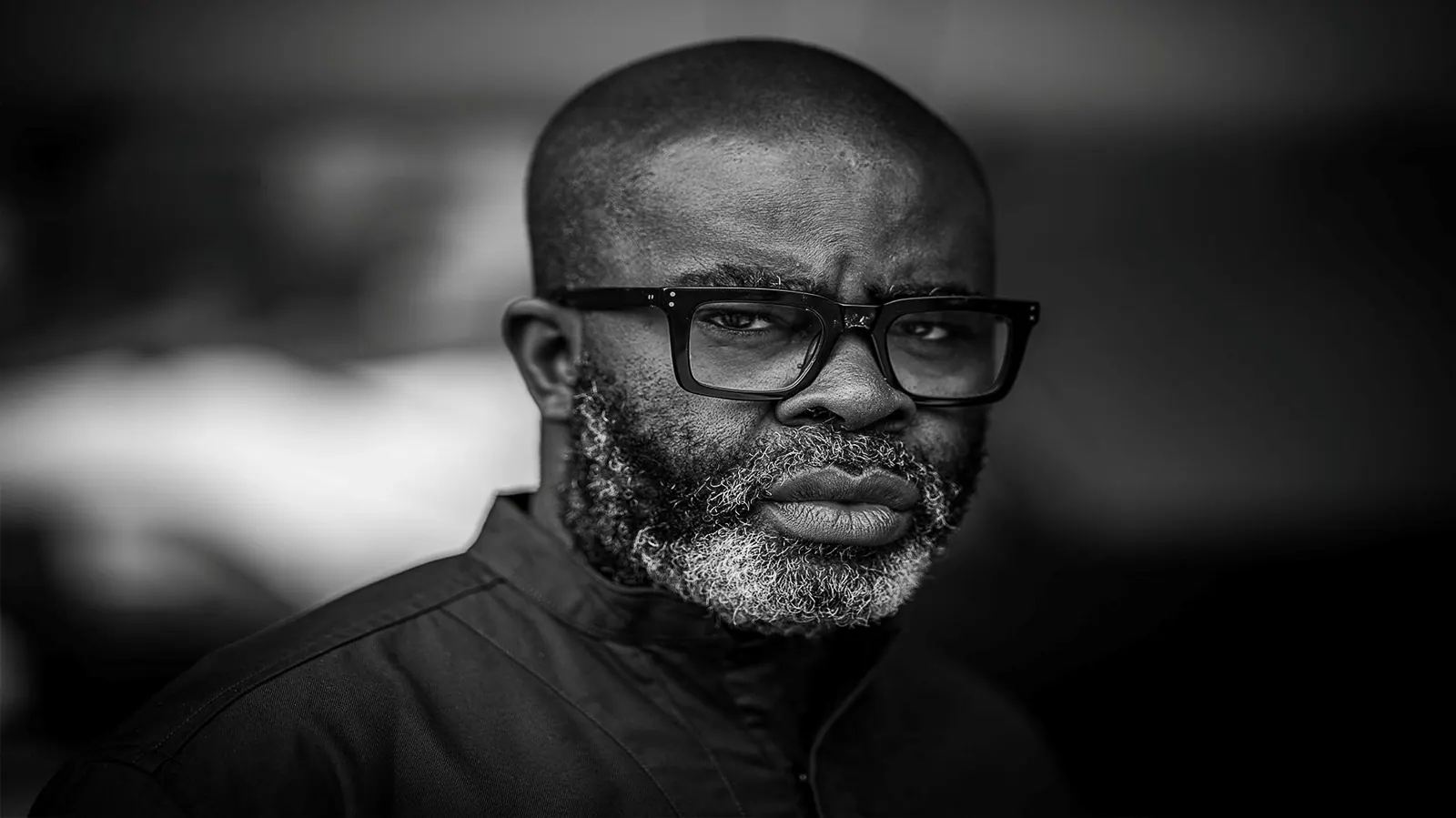
Misan Harriman, a renowned Nigerian photographer, filmmaker, and social activist, has dedicated his career to documenting humanity, protest, and social change. As the Chair of the Southbank Centre in London and an ambassador for Save the Children, Harriman has traveled to various communities affected by conflict, hunger, and displacement. His work has taken him to Somalia, Somaliland, and Egypt, where he has used photography and advocacy to amplify the voices of children. Currently, Harriman is in Nigeria supporting Save the Children's efforts to reach children who have received no routine vaccinations.
Harriman's involvement with Save the Children in Nigeria is personal, driven by his desire to use his platform for good in his home country. He has worked on numerous projects with the organization in Nigeria and recently visited Borno State with his team. Harriman's focus is on eliminating zero-dose children in Nigeria – those who have received no vaccinations. He believes that every child deserves a healthy start in life, free from preventable diseases such as diphtheria, pneumonia, and measles. Harriman's goal is to ensure that all children can access free vaccines at their nearest primary healthcare facility.
Immunization has become a crucial cause for Harriman, as he believes that the solution to the problem already exists. He emphasizes that it is about distribution and resources, and that ignoring the issue would be unbearable. Harriman has interacted with families in Nigeria, identifying cultural and economic barriers to accessing healthcare. He notes that some families prioritize immediate needs over vaccination due to the high cost of living. Education is also essential, as Harriman stresses the importance of helping mothers locate their nearest primary healthcare facility.
Harriman encourages Nigerians to support Save the Children's work in the country. The organization has channels for direct donations to the projects, and Harriman emphasizes that every contribution helps. He describes this as an ongoing project, not a one-off effort, and was impressed by the effectiveness of the work when done in context. About 90 percent of the people Harriman met were home-grown Nigerians who understood the cultural nuances, making the work more impactful.
Despite the progress, Harriman acknowledges that resources remain a significant limitation. With 2.1 million zero-dose children in Nigeria, the challenge is substantial. The more resources available, the more children that can be reached and saved. Harriman also addresses vaccine hesitancy in some communities, stating that respectful dialogue and providing information can help alleviate concerns. He emphasizes that medicine has changed lives historically and that children are more vulnerable to preventable diseases.
Harriman expresses pride in the dedication of humanitarian and primary healthcare workers in Nigeria. He believes that supporting these individuals and recruiting more like them is essential to expanding the work. Harriman's goal is clear: he won't rest until there are no zero-dose children in Nigeria. He sees the government as a potential partner in achieving this goal but emphasizes that Save the Children is committed to doing the work regardless.
As Harriman continues his work with Save the Children in Nigeria, he remains committed to using his platform to make a difference. With his experience and expertise, Harriman is well-positioned to contribute to the eradication of zero-dose children in Nigeria. His efforts, combined with those of Save the Children and other stakeholders, aim to ensure that every child in Nigeria has access to life-saving vaccinations and a healthy start in life.
Key points
- Misan Harriman is working with Save the Children to eliminate zero-dose children in Nigeria.
- Harriman identifies cultural and economic barriers to accessing healthcare in Nigeria.
- The goal is to ensure that all children in Nigeria have access to free vaccines at their nearest primary healthcare facility.