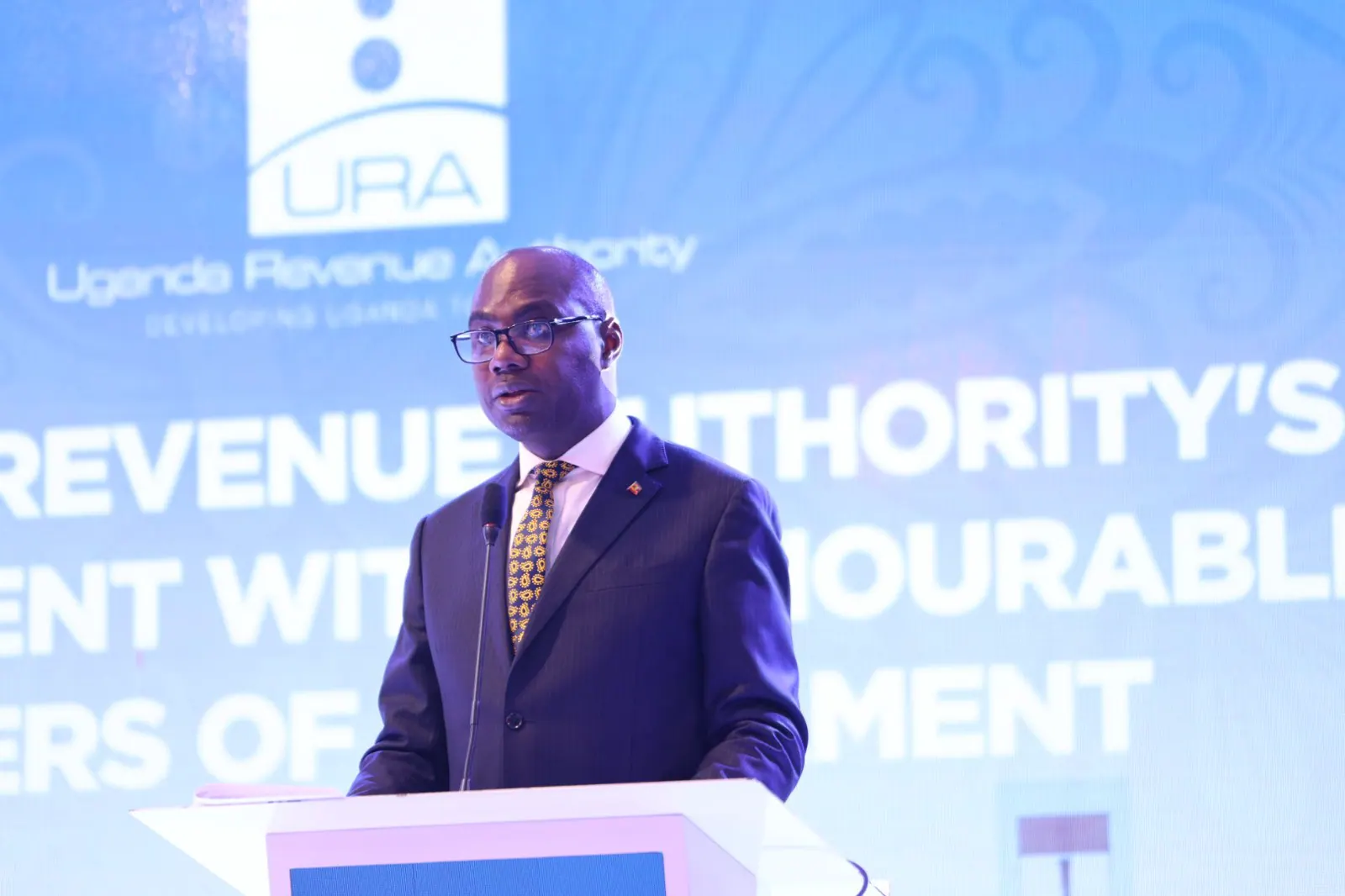
Uganda's Minister of Finance, Planning and Economic Development, Hon. Henry Musasizi, has urged Parliament to partner with the government in mobilizing domestic revenue to finance the country's development ambitions. Musasizi emphasized that Uganda's aspirations for better infrastructure, social services, industrialization, and development of oil, gas, and mineral resources must be matched with the capacity to pay for them. He made these remarks during an engagement with Parliament's committees.
Musasizi asked Parliament to help protect the tax base by ensuring that any tax exemption or concession is weighed against the revenue to be foregone, the expected economic benefit, its duration, and how its effectiveness will be evaluated. This signals a shift towards a more disciplined use of incentives, a position that will test Parliament, which often faces pressure to grant exemptions. The Minister's insistence on cost, benefit, duration, and evaluation aims to bring more accountability to the process.
The Minister also urged lawmakers to support efforts to broaden the tax base by bringing more eligible economic activity into the formal system, rather than increasing the burden on compliant taxpayers. He called on Parliament to back digitalization and information sharing across government institutions to enable the Uganda Revenue Authority (URA) to administer taxes more intelligently. This move is expected to improve tax collection and reduce the gap between the country's tax potential and actual revenue collection.
Musasizi further called on Parliament to strengthen accountability, holding URA accountable for improved performance and holding the government accountable for how collected revenues are used. He also urged lawmakers to help build a national culture of compliance in their constituencies, emphasizing that citizens should understand that paying tax is not merely an obligation to URA but a contribution to financing the country Uganda wants to build.
Uganda loses significant revenue annually through exemptions and concessions whose return is rarely measured. The Minister's push for a more disciplined approach to incentives is expected to face resistance from some quarters, particularly those that have benefited from exemptions and concessions in the past. However, Musasizi's position is seen as a necessary step towards ensuring that the country's revenue collection is more efficient and effective.
By asking Parliament to hold the government accountable for expenditure, Musasizi touches on the most sensitive part of tax morale. Ugandans have consistently questioned the value for money in government spending, and unless revenue growth is matched with visible discipline in spending, the push for compliance will remain difficult. The Minister's call for accountability is seen as a crucial step towards building trust between taxpayers and the government.
The outcome of Musasizi's engagement with Parliament remains to be seen, but it is clear that the Minister is determined to push for a more disciplined approach to domestic revenue mobilization. The success of this initiative will depend on the level of support from Parliament and the government's willingness to implement the necessary reforms. If successful, the initiative could lead to significant improvements in Uganda's revenue collection and help finance the country's development ambitions.
Key points
- Minister Musasizi urges Parliament to support domestic revenue mobilization to finance Uganda's development ambitions.
- The Minister calls for a more disciplined use of incentives, including evaluating the cost, benefit, duration, and effectiveness of tax exemptions and concessions.
- Musasizi also urges Parliament to strengthen accountability and build a national culture of compliance.